Ceramic Vs Semi Metallic Brake Pads

Let's be real: picking between ceramic and semi-metallic brake pads is one of those car maintenance choices that can feel way more complicated than it needs to be. Yet, this d...

Let's be real: picking between ceramic and semi-metallic brake pads is one of those car maintenance choices that can feel way more complicated than it needs to be. Yet, this decision is incredibly popular among DIY mechanics and everyday drivers alike because it directly impacts your safety and your wallet. Getting it right means the difference between a smooth, quiet stop and a noisy, dusty headache. For anyone who drives daily—which is basically all of us—understanding this isn't just gearhead talk; it's practical knowledge that makes your car feel better and last longer.
Why does this matter so much for you and your family? Because brake pads are your first line of defense in a sudden stop. Semi-metallic pads, made from steel fibers and fillers, excel at handling extreme heat. They’re fantastic for towing a trailer or zipping down mountain roads. Imagine your family of five packed into the SUV, heading to a campsite with a heavy camper in tow—semi-metallics will give you the bite you need to stop confidently, even when the brakes are scorching hot. On the other hand, if you mostly drive your sedan to school and the grocery store, ceramic pads offer a quieter, cleaner ride. Your kids won’t complain about squeaky brakes interrupting their favorite podcast, and your car’s wheels won't be coated in black dust after a week.
Real-life examples make this clear. Take Maria, a commuter in a bustling city. She switched from cheap semi-metallics to ceramics and immediately noticed less noise and zero dust on her white alloy wheels. Her brakes feel consistent every morning, even in stop-and-go traffic. Now consider Dave, who restores classic trucks and occasionally hauls firewood. He swears by semi-metallics because they handle the heavy payload without fading on long downhill stretches. For Dave, a little extra noise is a small price for that rock-solid stopping power. Your life simulates one of these scenarios—you just need to match the pad to your daily reality.
Must Read
Here’s the practical kicker: you don’t need to be a mechanic to choose wisely. First, ask yourself: what’s my typical drive? If it’s mostly highway cruising or light city errands, go ceramic—they’re easier on rotors and last a long time. If you tow, drive aggressively, or live in hilly terrain, semi-metallics are your friend. Second, check your owner’s manual or peek at your current pads. If you see copper or steel fibers, you’re running metallic. Switching is easy because both types fit the same calipers. Just remember to bed them in properly: a series of gentle stops from 30 mph, then a few hard stops, to mate the pad to the rotor.
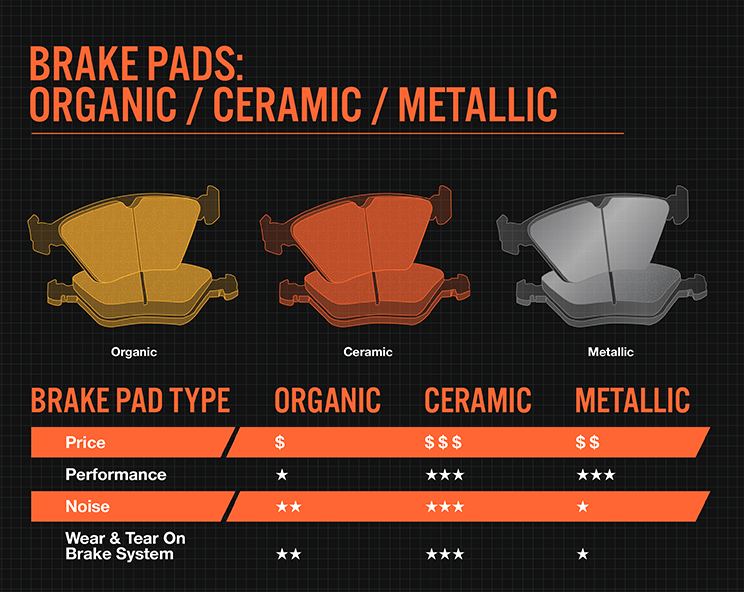 Brake Pad Ceramic Vs Semi Metallic | The Tube
To apply this tomorrow, start simple. Next time you buy pads, prioritize a trusted brand like Akebono, Bosch, or Power Stop. Don’t let price alone fool you—a $20 set of no-name semi-metallics might save money upfront but cost you in rotor wear and noise. Instead, invest a little more for a pad that matches your driving style. For instance, a ceramic from a reputable maker can last 50,000 miles with zero complaints. Write down your car’s mileage and commit to checking the pads at 30,000 miles—you’ll catch wear early and avoid expensive rotor damage.
Here’s a final pro tip: pair your pad choice with your rotor condition. If your rotors are old and grooved, semi-metallics will grind them down faster. Replace both rotors and pads together, and you’ll get the best performance. And don’t forget the brake-in period—take it easy for the first 200 miles to let the materials fully bond. This simple step extends pad life by up to 20% and prevents that annoying pulsing pedal.
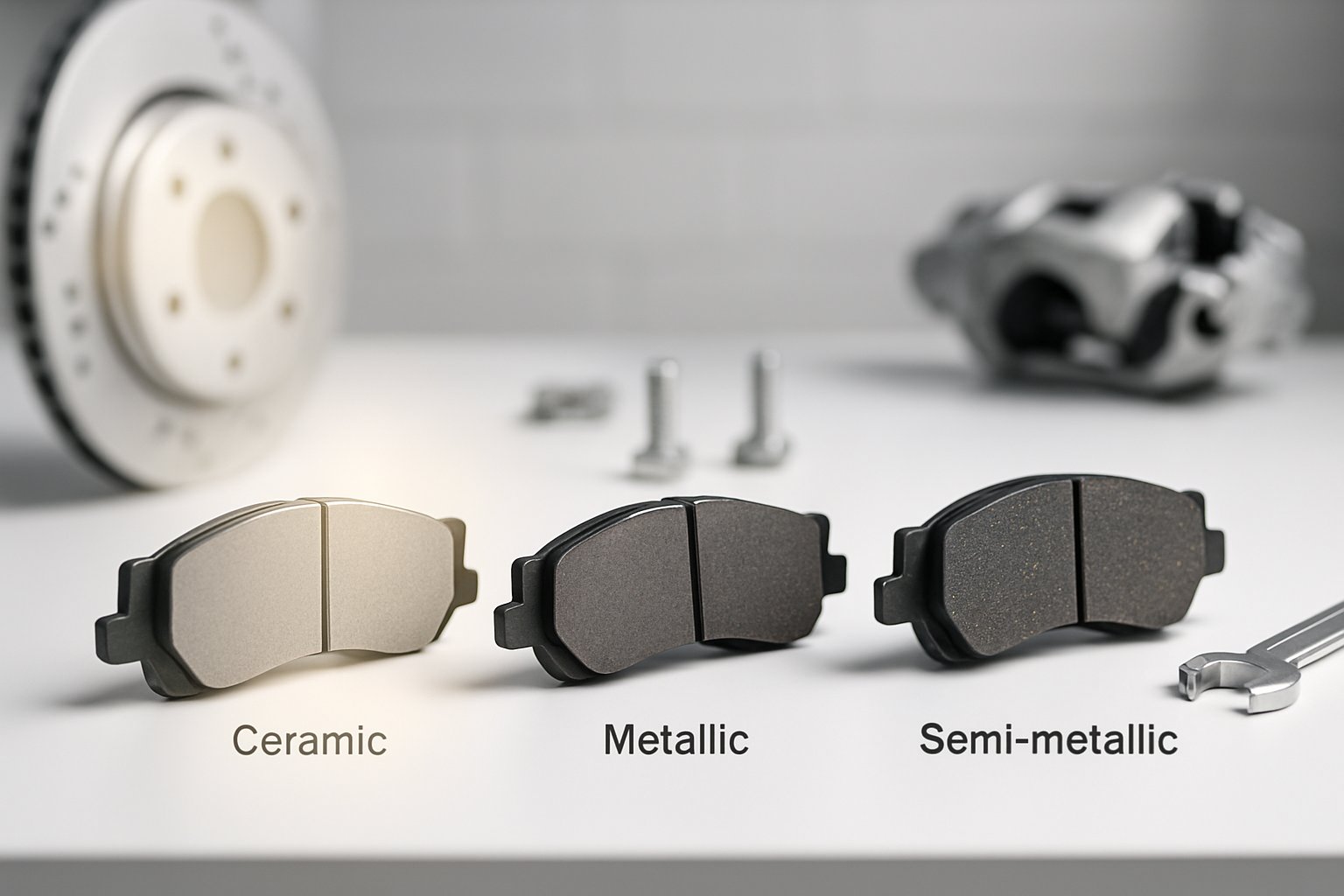 Why Ceramic Pads Are Quieter: Understanding the Science and Benefits
So, which should you choose? It’s not a competition—it’s a personal fit. For the daily driver who values peace and cleanliness, ceramic is a quiet hero. For the adventurer who pushes their vehicle, semi-metallic is a rugged workhorse. The beautiful thing is that both are widely available, affordable, and easy to install with basic tools. By understanding your own habits—not just what your neighbor recommends—you’ll end up with brakes that make your car feel safe, responsive, and perfectly tailored to your life.
Remember, your brakes are the most important system on your car. Taking 15 minutes to research this choice means years of confident driving. Whether you end up with the whisper-quiet ceramics that keep your wheels spotless or the iron-grip metallics that never back down from a hill, you’ve just made a smart, informed decision that protects your family and your budget. That’s a win every time you turn the key.
