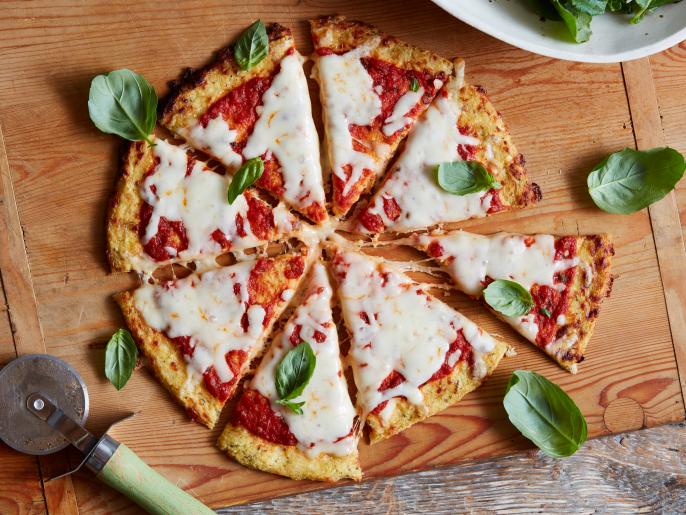
Cauliflower Pizza Crust Origin History

Who would have ever imagined that a humble, knobbly vegetable could become the star of the pizza world? Cauliflower pizza crust is one of those wonderful food innovations that...
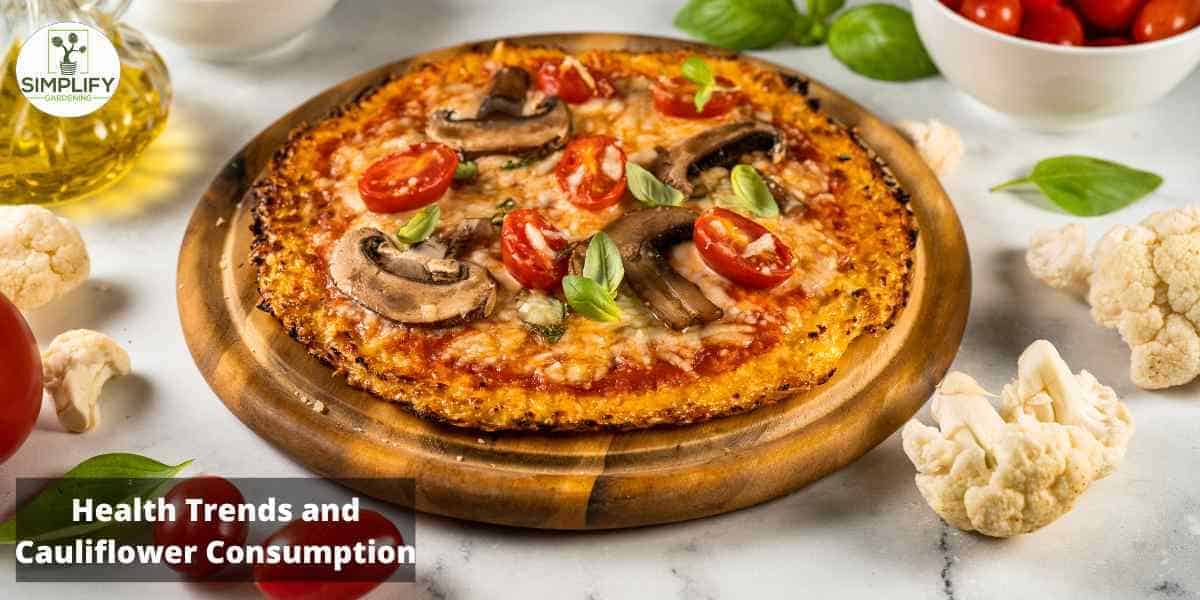
Who would have ever imagined that a humble, knobbly vegetable could become the star of the pizza world? Cauliflower pizza crust is one of those wonderful food innovations that makes healthy eating feel like an indulgence rather than a sacrifice. Whether you're following a gluten-free diet, watching your carbs, or simply looking for a creative way to eat more vegetables, the cauliflower crust has become a beloved staple in kitchens around the globe. Its origins tell a surprisingly fascinating story of dietary evolution, culinary rebellion, and the power of home cooks to change the way we think about comfort food.
The story of cauliflower pizza crust begins in the early 2000s, during a time when low-carbohydrate diets and gluten-free lifestyles were gaining serious momentum. Home cooks and food bloggers across the United States started experimenting with cauliflower as a substitute for traditional flour-based doughs. While no single individual can claim absolute credit for the first cauliflower crust, early pioneers shared their recipes on platforms like food forums and personal blogs, sparking a grassroots movement. The original concept was simple: rice or mash the cauliflower, mix it with eggs and cheese, and press it into a pizza shape before baking. The result was a crust that was surprisingly satisfying and remarkably versatile, laying the foundation for a culinary trend that would soon take the world by storm.
As word spread through social media and nutrition communities, cauliflower crust transitioned from a niche experiment to a mainstream phenomenon. By the mid-2010s, brands like Caulipower, founded by Gail Becker, were bringing pre-made cauliflower crusts to grocery store shelves, making it easier than ever for families to swap a traditional pizza night into a healthier version without spending extra time in the kitchen. Restaurants quickly followed suit, with chains and local pizzerias alike adding cauliflower crust options to their menus. What started as a home-cook hack quietly transformed into a multi-million-dollar industry, proof that consumer demand for healthier alternatives can reshape entire food categories.
Must Read
The advantages of cauliflower crust are as impressive as its history. Because cauliflower itself is low in calories and rich in nutrients like vitamin C, fiber, and potassium, swapping it in for traditional dough dramatically reduces the caloric load of a pizza. For people with celiac disease or gluten sensitivity, it offers a safe and delicious alternative that doesn't require complicated ingredient substitutions. The crust also provides a wonderful vehicle for creative toppings — because the base is mild and slightly earthy, it pairs beautifully with everything from classic pepperoni to roasted vegetable medleys, Mediterranean herbs, and even BBQ chicken. It truly democratizes pizza by making it accessible to a wider range of dietary needs.
If you're ready to try making a cauliflower pizza crust at home, the key steps are straightforward but crucial for the best results. First, steam or microwave your riced cauliflower until it's soft, then wrap it in a clean kitchen towel or cheesecloth and wring out as much moisture as possible — this is the single most important tip for preventing a soggy crust. Mix the dry cauliflower with an egg, shredded mozzarella or Parmesan cheese, and seasonings like garlic powder, oregano, and salt. Press the mixture evenly onto a parchment-lined baking sheet or pizza stone and bake at 400°F (200°C) for about 15–20 minutes before adding your toppings. Baking the crust first ensures it becomes firm and golden, giving you that satisfying bite you crave from a good pizza.
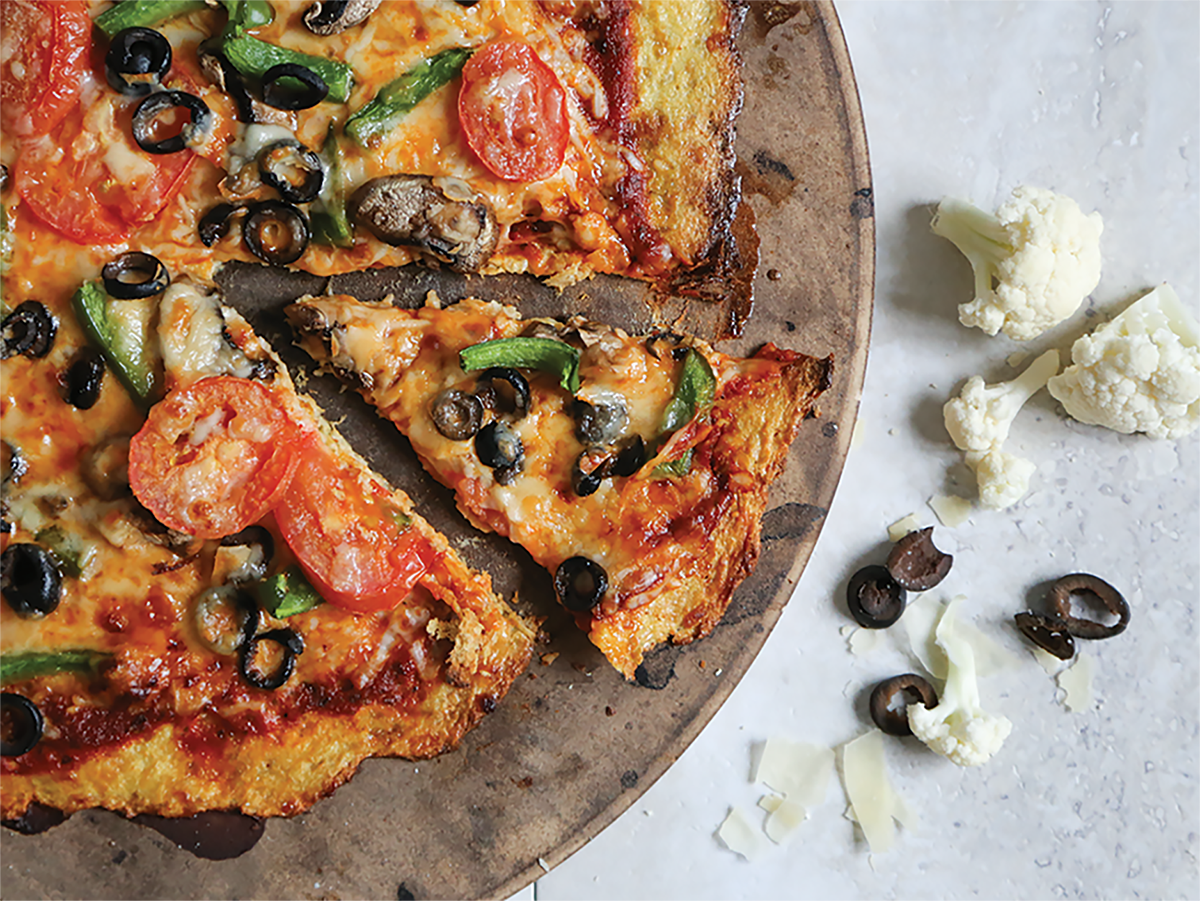 Cauliflower Pizza Crust
To take your cauliflower crust to the next level, experiment with fun variations. Try adding ground flaxseed or almond flour for extra crunch, or fold in finely chopped herbs like basil and rosemary for an aromatic twist. For a dairy-free version, use plant-based cheese alternatives and a flax egg instead of a regular egg. Another creative idea is to shape your crust into mini personal pizzas or even breadstick forms, which makes the experience feel playful and family-friendly. The beauty of this crust lies in its adaptability — you can tailor it to fit almost any dietary preference while still enjoying the joy of pizza night.
The cauliflower pizza crust is far more than just a passing food trend; it represents a culinary journey from humble beginnings to widespread admiration. It reminds us that innovation often starts in home kitchens, driven by people who refuse to believe that healthy food has to be boring. So next time you're craving pizza, consider reaching for a head of cauliflower instead of a bag of flour — you might just discover your new favorite crust.