Can You Use Vegetable Oil Instead Of Vegetable Shortening

Welcome to the wonderful world of kitchen experiments, where a simple swap can save a trip to the store and spark new baking adventures! If you’ve ever been halfway through a...
Welcome to the wonderful world of kitchen experiments, where a simple swap can save a trip to the store and spark new baking adventures! If you’ve ever been halfway through a cookie recipe only to discover your vegetable shortening has mysteriously vanished (or hardened into an unyielding brick), you’re not alone. The good news is that vegetable oil can often step in as a clever substitute for vegetable shortening, turning a potential baking fail into a fun success. This swap is not just about convenience—it unlocks softer textures, simpler mixing, and even a touch of creativity in your baked goods. Whether you’re a seasoned baker or a curious beginner, learning how oil replaces shortening is like having a secret ingredient that’s already in your pantry.
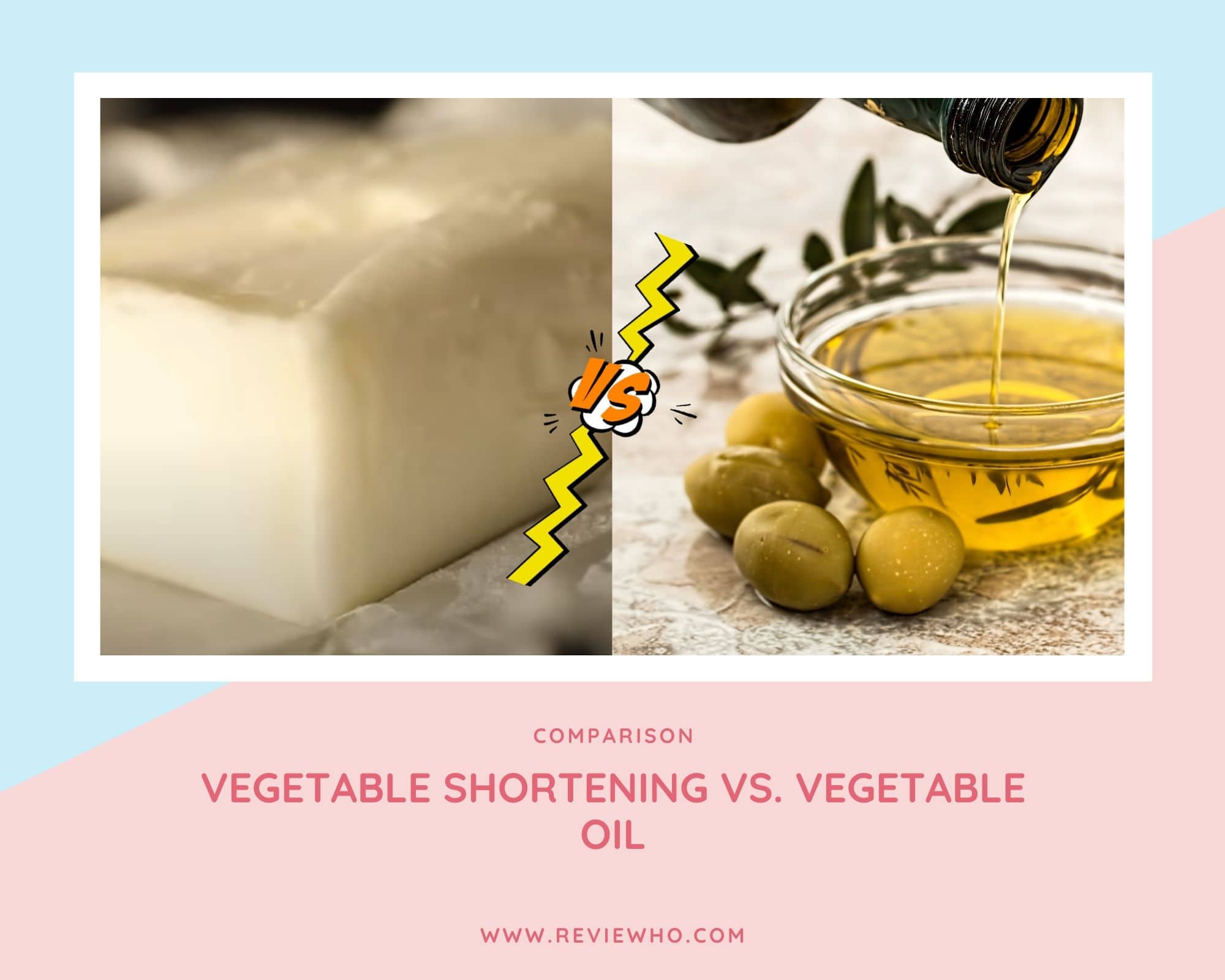
Before you dive into the swap, let’s understand what we’re dealing with. Vegetable shortening is a solid fat, usually made from hydrogenated oils, that adds flakiness and structure to pastries and cookies. Vegetable oil, on the other hand, is a liquid fat that adds moisture and tenderness. The key difference? Shortening traps air when creamed with sugar, while oil coats flour proteins, preventing gluten from forming—which means tender, not tough, results. The advantage here is that using oil eliminates the need for creaming, making recipes like cakes, muffins, and quick breads faster to prepare. Just whisk the oil with sugar, eggs, and vanilla, and you’re golden. No waiting for butter or shortening to soften at room temperature!
Now, let’s get creative with some real-life examples. Imagine you’re making a classic batch of chocolate chip cookies. If you swap shortening for oil, the dough will be wetter and spread more during baking, giving you thinner, chewier cookies with a soft center—think café-style treats. For a vegan-friendly twist, use coconut oil (melted) or avocado oil for a subtle, nutty flavor. Another fun idea: pancakes and waffles benefit hugely from oil instead of shortening. Just replace each tablespoon of shortening with one tablespoon of oil, and your breakfast will turn out fluffier and more moist, without any greasy residue. And for pie crusts? Oil won’t give you the same flaky layers as shortening, but it makes a fork-friendly, crumbly crust that’s perfect for no-roll recipes like press-in tart shells. Try it with a graham cracker or almond flour base!
Must Read
Here’s a practical tip that will save your next recipe: use a 1:1 ratio by volume when substituting oil for shortening. One cup of shortening equals one cup of oil, but remember—shortening is solid, so measure the oil in a liquid measuring cup for accuracy. For recipes that call for creaming shortening with sugar (like fluffy cakes or buttercream), you’ll notice the texture will be denser because oil can’t trap air the same way. To compensate, add an extra egg yolk or a tablespoon of milk for lift. Another pro move: if your recipe uses both butter and shortening, replace only the shortening with oil and keep the butter as is—that way, you preserve flavor while gaining moisture. Don’t forget flavor: choose a neutral oil like canola, sunflower, or grapeseed for subtle dishes, or use extra-virgin olive oil for savory baked goods like focaccia or cornbread.
:max_bytes(150000):strip_icc()/substitute-shortening-for-butter-995116-ADD-FINAL-V2-b9976578e7fa47939604d3f48148de7c.png) Can You Substitute Shortening With Vegetable Oil at Laura McDonald blog
Can You Substitute Shortening With Vegetable Oil at Laura McDonald blog
One more creative idea: oil makes the best brownies and banana bread because it ensures ultra-moist, fudgy results. For brownies, swap all the shortening for oil and melt a bit of dark chocolate into the batter—the oil will keep them soft for days. For banana bread, reduce the total fat by a tablespoon if your bananas are very ripe, as they add moisture too. And here’s a fun hack: if you’re making fresh pasta dough, replace shortening with a drizzle of oil to make the dough supple and easier to roll out—no more cracking edges! The key is to experiment fearlessly and take notes. Did your cookies spread too much? Next time, chill the dough for 30 minutes before baking. Did your cake sink in the middle? Reduce the oven temperature by 25°F to allow even rising.
To wrap up, using vegetable oil instead of shortening is a perfectly acceptable, often delightful swap that opens up a world of softer, moister baked goods. It saves you from a last-minute store run and lets you customize textures to your liking—from chewy cookies to tender cakes. The only time to avoid this swap is in recipes that rely on shortening’s solid structure, like flaky laminated doughs (croissants, puff pastry) or high-ratio shortening cakes. But for everyday treats? Go for it! Remember, baking is about joy, not perfection. So next time you’re out of shortening, grab that bottle of vegetable oil, give it a whirl, and enjoy the happy, golden results. Your taste buds—and your schedule—will thank you.