Can You Use Regular Milk Instead Of Evaporated Milk

There is something deeply satisfying about pulling together a comforting recipe on a rainy afternoon, only to realize you are missing a key ingredient. Evaporated milk, with i...
There is something deeply satisfying about pulling together a comforting recipe on a rainy afternoon, only to realize you are missing a key ingredient. Evaporated milk, with its rich, creamy texture and subtle caramel notes, is a pantry staple that elevates everything from creamy pastas to velvety pies. Its primary purpose is to provide a concentrated dairy richness without the high water content of fresh milk, which makes it ideal for thickening sauces, adding body to baked goods, and creating luscious custards. The benefit is clear: a small can delivers a double-dose of creaminess that can transform an ordinary dish into a comfort-food masterpiece.
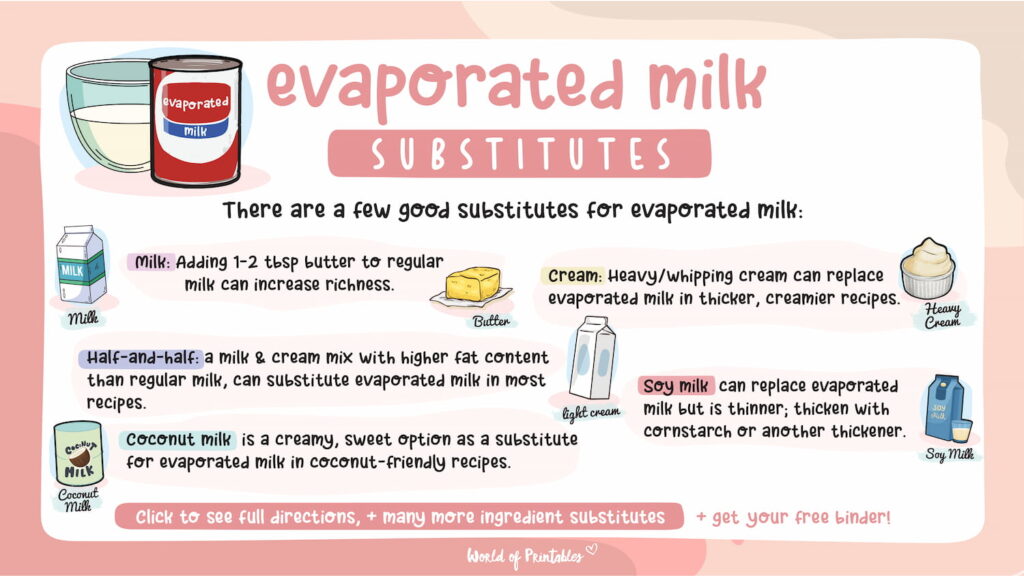
The good news is that regular milk can indeed stand in for evaporated milk in many recipes, but with a crucial caveat. Evaporated milk is simply fresh milk with about 60% of its water removed. To mimic this, you need to concentrate the regular milk at home. The simplest trick is to simmer one cup of regular milk over medium-low heat until it reduces by roughly half. This will yield about half a cup of thickened, slightly caramelized milk that approximates the texture and sweetness of the canned version. For a quicker fix, you can also add a small amount of butter to the milk—for example, one tablespoon of melted butter stirred into a cup of whole milk—to boost the fat content and create a richer mouthfeel.
However, the substitution is not a one-size-fits-all solution. It works best in recipes where the evaporated milk is used for its moisture and richness, such as in creamy soups, mashed potatoes, or simple sauces. For example, a chowder that calls for a can of evaporated milk will still be wonderfully smooth if you use reduced regular milk, though the flavor will be less caramelized and slightly thinner. In contrast, for desserts like flan, tres leches cake, or key lime pie, where the milk’s concentrated sugars and structure are critical, the swap is riskier. The reduced milk may not provide the same level of stability or the characteristic depth of flavor, so proceed with caution.
Must Read
Another scenario where regular milk shines is in everyday baking. Many biscuit, muffin, and quick-bread recipes use evaporated milk to add tenderness. Here, you can use an equal volume of regular milk with a simple adjustment: add one extra tablespoon of melted butter for every cup of milk called for in the recipe. This compensates for the missing fat and helps maintain a soft crumb. A practical example: if your pancake recipe asks for half a cup of evaporated milk, just use half a cup of whole milk plus half a tablespoon of melted butter. The results will be nearly indistinguishable from the original.
For those who want to explore further, keep a few simple tips in mind. Always use whole milk when substituting, as skim or 2% milk will produce a much thinner, less satisfying result. Evaporated milk also has a slightly higher concentration of natural sugars, which is why some recipes taste sweeter with it. If you are using reduced regular milk and the dish seems flat, add a tiny pinch of sugar or a drop of vanilla extract to round out the flavor. Also, be aware that condensed milk is a completely different product—it is heavily sweetened and should never be swapped for regular milk without major adjustments.
 Evaporated Milk vs Regular Milk: What's the Difference? | Evaporated
Ultimately, the decision comes down to what you value in the moment: convenience or precision. If you have a pantry full of regular milk and a craving for a creamy soup, the reduction method is a practical, time-saving solution that delivers almost identical comfort. But if you are making a classic pumpkin pie for a holiday dinner, it might be worth a trip to the store for a can of evaporated milk to ensure that perfect, silky set. The beauty of cooking is that you have the power to adapt—and knowing how to adjust a single ingredient can turn a potential frustration into a small triumph of resourcefulness.
So next time you find a recipe calling for evaporated milk, don't panic. With a saucepan or a pat of butter, your regular milk can rise to the occasion. Try making a reduced milk substitution for a weeknight mac and cheese, or experiment with the butter-boost method in your morning coffee creamer. You might just discover that the best substitute is the one you already have—and that a little confidence in the kitchen can turn any missing ingredient into a delightful challenge.
