Can You Use Parchment Paper Instead Of Wax Paper

There’s something deeply satisfying about a kitchen swap that just works—especially one that saves you from a frantic trip to the store halfway through a recipe. Figuring out...
There’s something deeply satisfying about a kitchen swap that just works—especially one that saves you from a frantic trip to the store halfway through a recipe. Figuring out whether you can use parchment paper instead of wax paper is one of those delightful, practical little puzzles that home cooks and bakers secretly love to solve. It’s the kind of question that pops up right when you need it most, like when you’re lining a baking sheet for cookies or wrapping a sandwich for lunch. The main purpose of this comparison is to help you avoid a kitchen disaster—or at least a sticky mess—while making the most of what you already have in your drawer. Anyone from a weekend baker to a busy parent packing school snacks can benefit from knowing the difference, because it saves time, reduces waste, and keeps your recipes turning out just right.
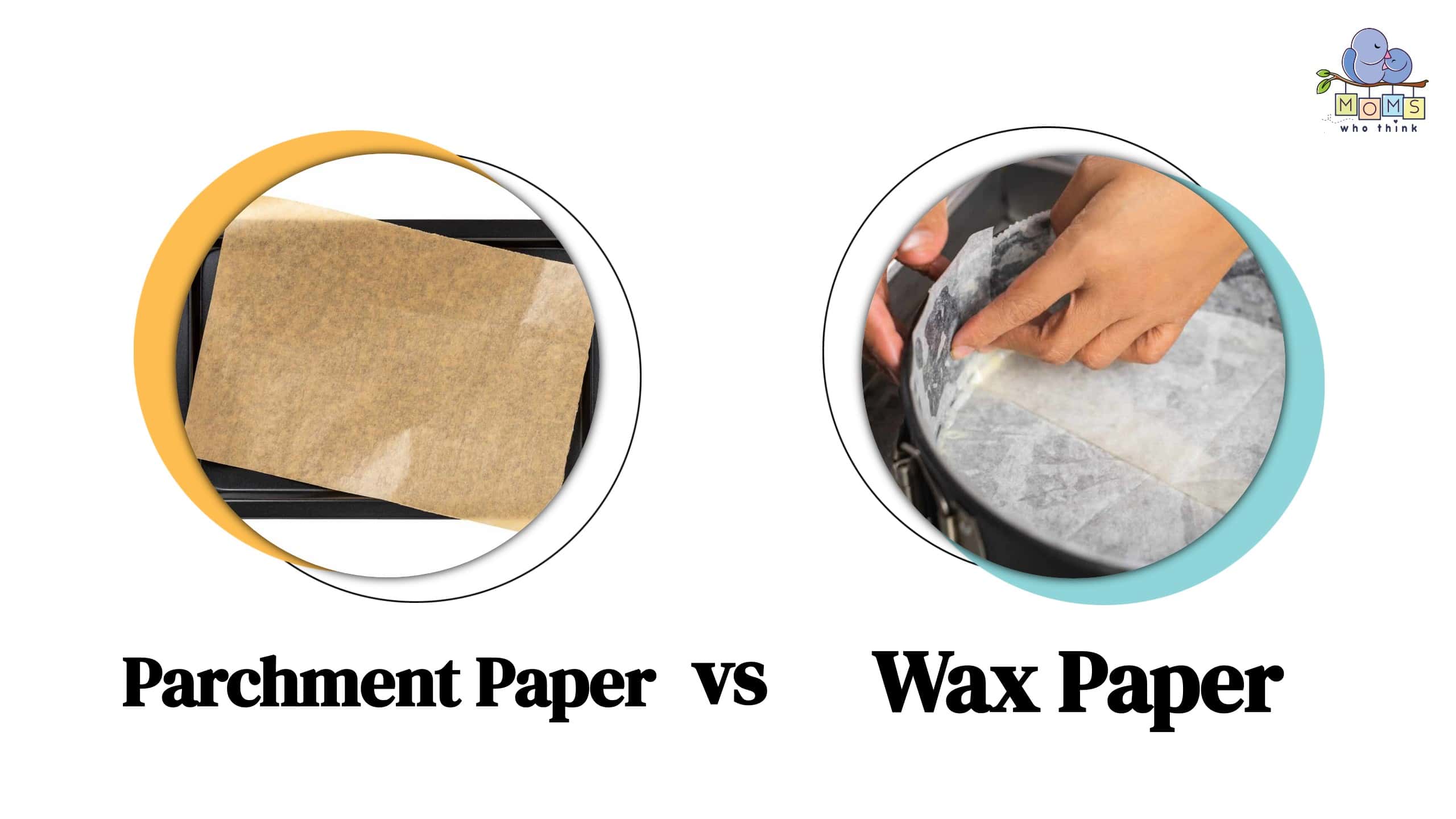
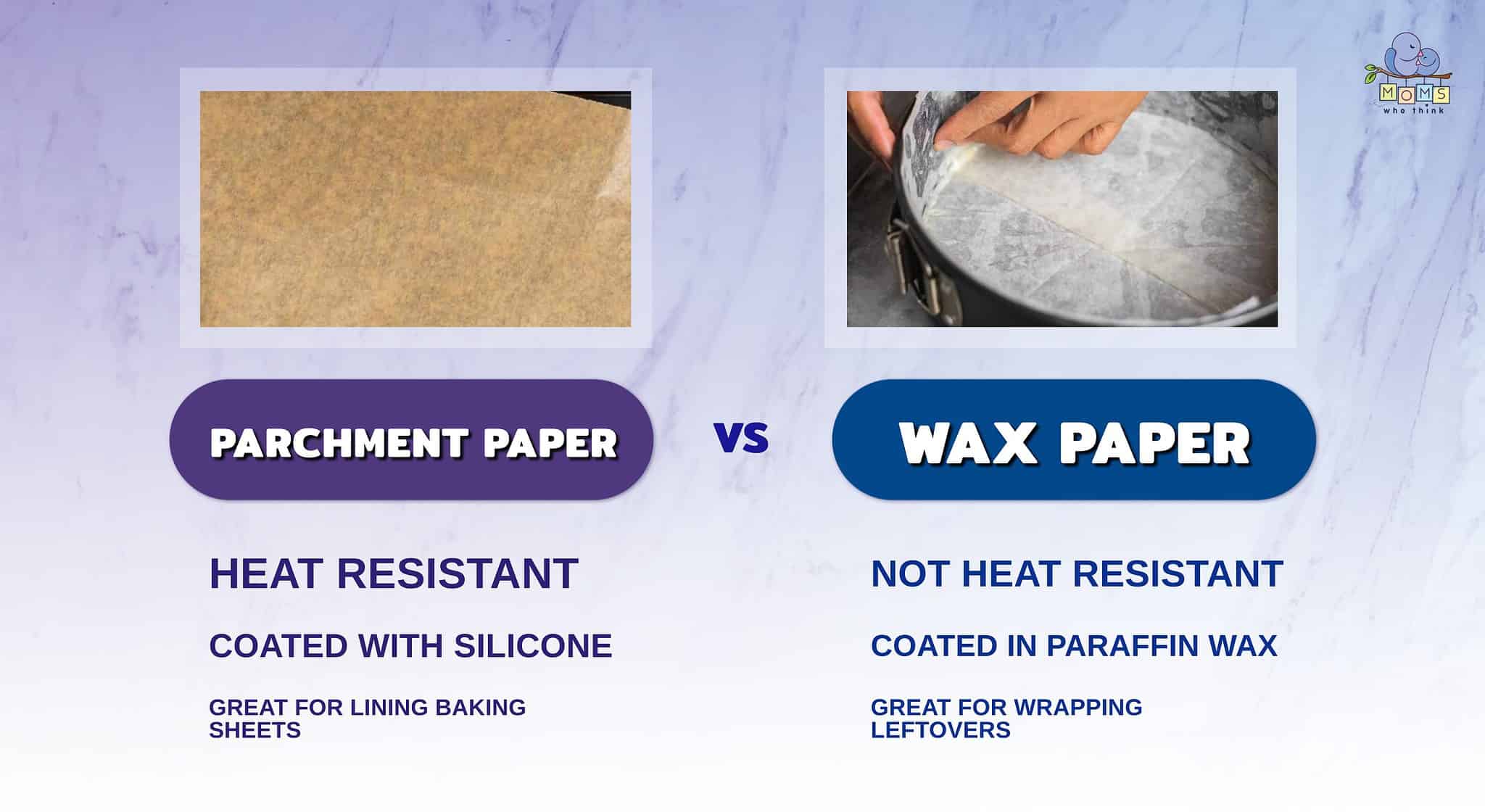
At first glance, parchment paper and wax paper look like twins—both are thin, semi-transparent, and stored near each other in most grocery aisles. But their personalities are wildly different. Parchment paper is coated with a thin layer of silicone, which makes it heat-resistant and nonstick. Wax paper, on the other hand, is coated with a thin layer of wax—usually soybean or paraffin—that melts or smokes under high heat. This is the key difference that determines when you can swap one for the other. Think of parchment as your reliable oven partner, while wax paper is more of a room-temperature ally. A common variation you might recognize is the pre-cut parchment sheets sold for air fryers, versus the wax paper rolls used for wrapping leftovers. Knowing this distinction is the first step to fearless swapping.
So, can you use parchment instead of wax paper? The short answer is: yes, but with caution. Parchment paper is perfectly safe for any situation where wax paper is used at room temperature—like lining a countertop for rolling out dough, wrapping a cheese block for a picnic, or separating burger patties in the freezer. It works beautifully because parchment is equally nonstick and grease-proof. However, the reverse is not true: you should never use wax paper in the oven, under the broiler, or in a hot pan. The wax will melt, smoke, and can even burn, leaving a sticky film on your food or a mess on your baking sheet. Stick to parchment for baking cookies, roasting vegetables, or making a packet of salmon en papillote.
Must Read
This swap is especially appreciated by bakers who run out of wax paper on a holiday morning. Imagine you’re making a batch of your favorite chocolate chip cookies and realize you’re out of wax paper for rolling dough logs—parchment saves the day. Just lay a sheet on your counter, dust it lightly with flour if you’re concerned about sticking, and roll away. For tasks like wrapping a block of fudge or covering a bowl of dough while it rises, parchment is just as effective as wax paper. The only real drawback is cost: parchment is typically pricier per roll, but its dual-purpose versatility (it works cold and hot) makes it a smarter investment for most kitchens.
 Parchment Paper vs. Wax Paper: When to Use Each & 2 Key Differences
If you want to get the most out of this swap, keep a few simple tips in mind. First, check the temperature rating on your parchment roll—most are safe up to 425°F, but some premium brands handle 450°F or more. Second, avoid using parchment under a broiler or on direct flame, as the silicone coating can still break down. Third, if you’re using parchment for a cold task like wrapping a sandwich, don’t preheat it—just tear off a sheet and go. For sticky treats like caramel or marshmallow squares, line your pan with parchment instead of wax paper; the parchment’s silicone coating ensures easy release even when chilled. And if you’re packing a lunch, try folding parchment into neat envelopes—they hold up better than wax paper and look charmingly rustic.
The real joy of this kitchen tip is that it transforms a potential panic moment into a calm, confident decision. Whether you’re a seasoned home chef or just starting out, knowing that parchment paper can step in for wax paper (but not the other way around) gives you more flexibility and less stress. You’ll waste less food, fewer sheets, and maybe even discover that parchment’s superior nonstick and heat-tolerant qualities make it your new go-to for everything from prepping cookie dough to lining air fryer baskets. So next time you reach into that drawer, grab the parchment without hesitation—it’s the easy-going hero your kitchen deserves.