Can You Use Olive Oil Instead Of Vegetable Oil

So, you’re mid-recipe, and disaster strikes. The vegetable oil bottle is a dusty, empty ghost. Your eyes dart to that sexy green bottle of olive oil. Don’t panic. We’re about...
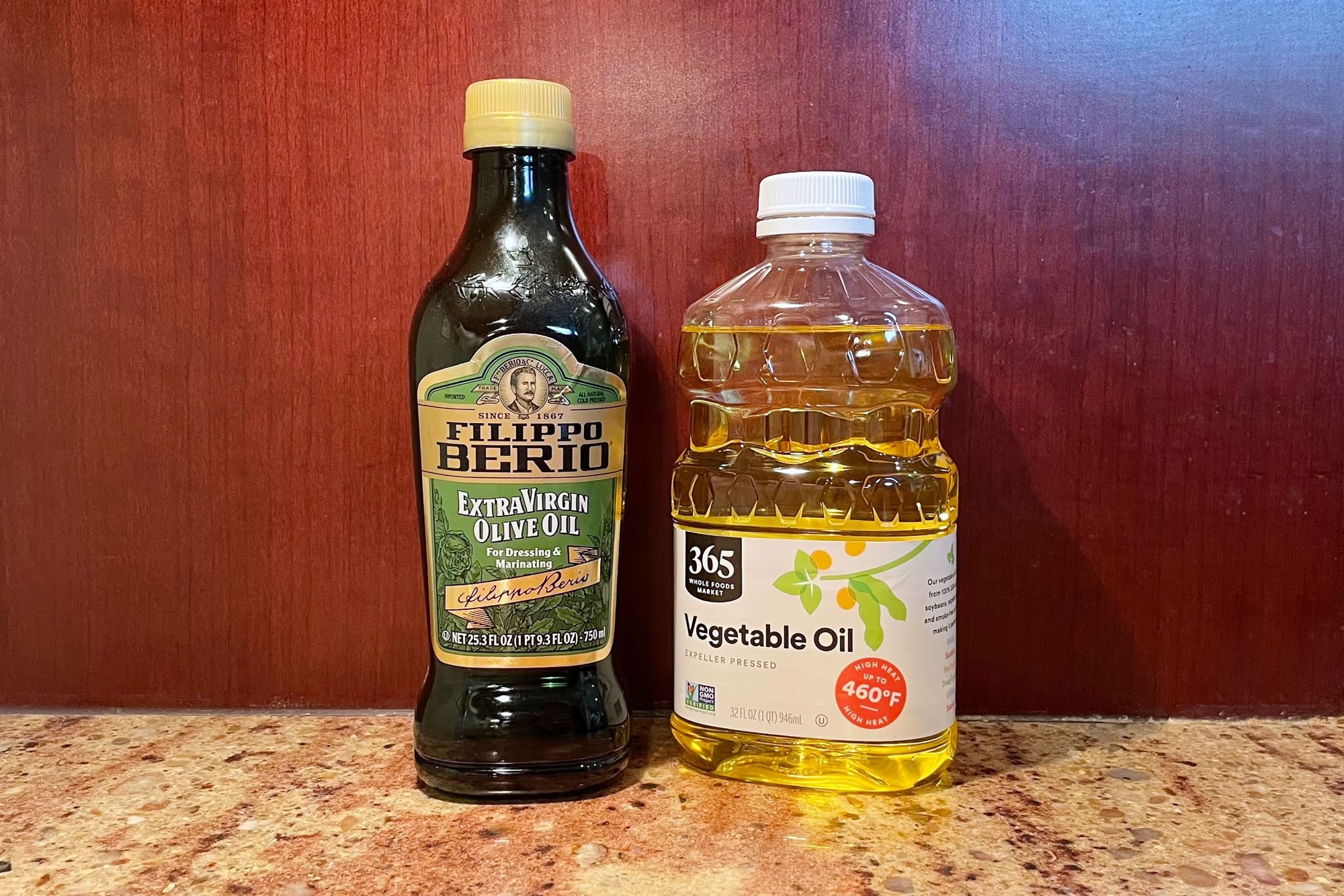
So, you’re mid-recipe, and disaster strikes. The vegetable oil bottle is a dusty, empty ghost. Your eyes dart to that sexy green bottle of olive oil. Don’t panic. We’re about to answer the kitchen’s most slippery question.
The Great Oil Swap: Is It Legal?
Yes, you absolutely can use olive oil instead of vegetable oil. But here’s the kicker: it’s not always a perfect handshake. Think of it like swapping a flip-flop for a stiletto. Both get you places, but one makes a louder statement.
Vegetable oil is the silent ninja of fats. It has a neutral flavor and a high smoke point. Olive oil? It’s the dramatic actor. It brings personality. That personality can either make your dish sing or start a very weird argument on your palate.
Must Read
The Smoke Point Showdown
Here’s where things get fiery—literally. Every oil has a smoke point, the temperature where it starts to burn and taste like a campfire disaster. Vegetable oil laughs at high heat. It’s a tough guy.
Extra virgin olive oil? It’s a delicate flower. Heat it too high, and it screams, smokes, and turns bitter. For deep frying, stick with vegetable or light olive oil. Don’t deep-fry doughnuts in fancy extra virgin. That’s a tragedy waiting to happen.
But for sautéing onions or eggs? Olive oil is perfect. Just keep the heat medium. You want golden, not “fire alarm goes off.”
The Flavor Factor (Funny Stuff Ahead)
Vegetable oil tastes like a blank stare. It’s there, but it says nothing. Olive oil? It’s the gossipy friend. It wants to be tasted.
Imagine biting into a brownie that whispers of grassy olives. Weird, right? That’s why you never use strong olive oil in sweet baked goods. But for savory cornbread or herby focaccia? Heaven. Olive oil adds a little je ne sais quoi.
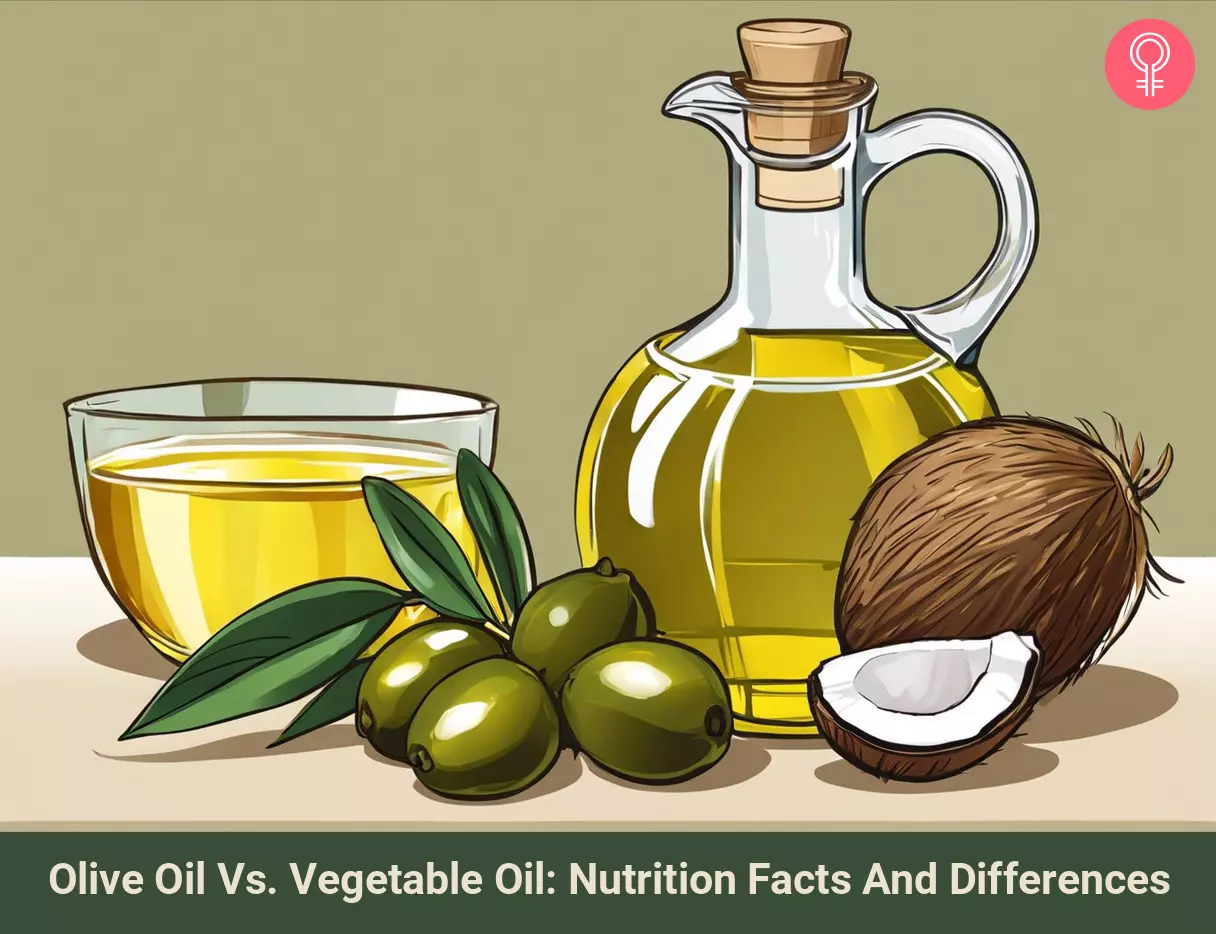 Olive Oil Vs. Vegetable Oil: 5 Uses For Healthier Cooking
Fun fact: Ancient Romans used olive oil for everything—cooking, lamps, even as a weird perfume. They didn’t have vegetable oil. They survived. You will too.
The Baking Mystery
Can you swap them in a cake? Technically, yes. But texturally, things get wild. Vegetable oil keeps cakes moist and neutral. Olive oil can make your cake taste like a salad bar.
Pro tip: Use a mild or “light” olive oil for baking. It has a higher smoke point and less attitude. Your carrot cake won’t taste like a Greek farm, but it will be fabulously moist.
Also, here’s a hilarious truth: olive oil is actually healthier than vegetable oil. It’s packed with good fats. So if you swap it, you’re basically honoring your arteries. Pat yourself on the back.
The “Don’t You Dare” List
Some recipes are olive oil’s worst enemy. Ever tried making mayonnaise with olive oil? It tastes like a bitter olive slap. Stick to vegetable oil for mayo.
 Can You Use Olive Oil Instead Of Vegetable Oil? | Food For Net
Deep frying? Only if you’re ready to spend money. Olive oil is pricier. Vegetable oil is the cheap, reliable friend. Don’t waste your fancy stuff on a basket of French fries unless you’re feeling very bougie.
And please, never use olive oil in a wok for stir-fry. The smoke will haunt your dreams. Save it for low-heat taco nights or dipping bread.
The Quirky Takeaway
Here’s the golden rule: Think about the temperature and the taste. If you want the food to taste like nothing but itself, use vegetable oil. If you want a whisper of Mediterranean sunshine, grab the olive oil.
This topic is fun because it’s about permission. You’re not a bad cook for making a swap. You’re a rebel with a pantry. And honestly, most people can’t tell the difference in a blind taste test. I’ve tried. They’re liars.
So next time you’re out of vegetable oil, take a deep breath. Grab that olive oil. Crank the heat down a notch. Laugh at the smoke alarm. You’ve got this. Your taste buds are in for a tiny adventure.
