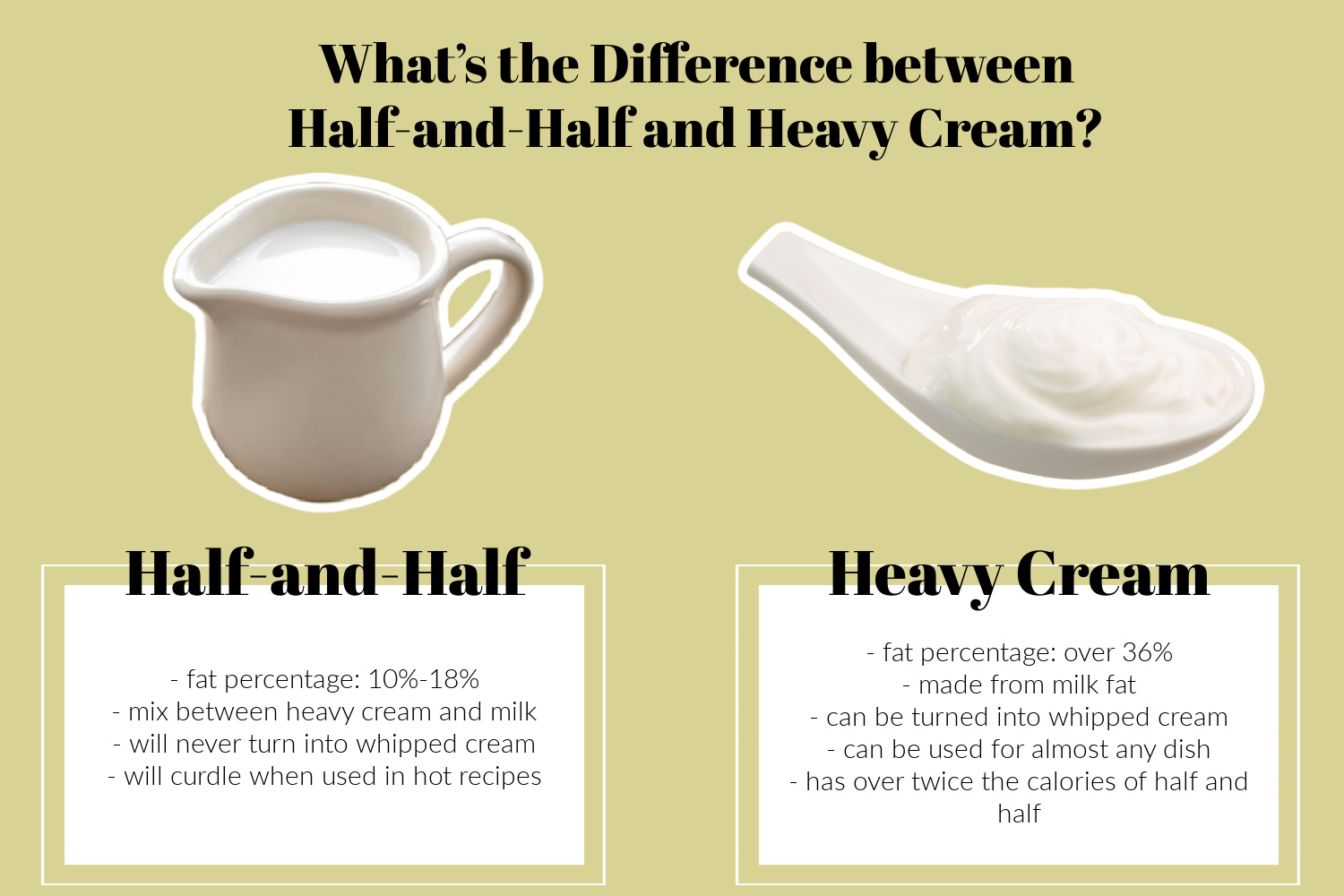
Can You Use Half-and-half Instead Of Heavy Whipping Cream

There’s something deeply satisfying about poking around in your fridge, realizing you’re out of a key ingredient, and then discovering a clever, almost magical substitute. Tha...

There’s something deeply satisfying about poking around in your fridge, realizing you’re out of a key ingredient, and then discovering a clever, almost magical substitute. That’s the joy of the eternal kitchen question: Can you use half-and-half instead of heavy whipping cream? This isn’t just a practical hack for saving a trip to the store—it’s a gentle reminder that cooking is flexible, forgiving, and full of little workarounds. Whether you’re a busy parent trying to whip up a quick pasta sauce, a college student on a budget, or a home baker who ran out of cream mid-recipe, knowing how to swap these two dairy staples can save the day. It’s a topic that feels both approachable and empowering, turning a potential kitchen panic into a quiet victory.
The main purpose of this swap is to balance fat content with function. Heavy whipping cream typically contains about 36–40% milk fat, which gives it that thick, luscious texture and the ability to hold stiff peaks when whipped. Half-and-half, by contrast, has a lower fat percentage—usually around 10–18%—and is essentially a mix of whole milk and light cream. This difference means half-and-half won’t whip into fluffy clouds, but it will enrich soups, sauces, and coffee with a silky, tender richness. For people who want a lighter touch in their dishes, or who are watching their calorie intake, half-and-half offers a gentler alternative that still delivers comfort without the heaviness.
You might recognize this swap from some familiar scenarios. Imagine making a creamy tomato soup—heavy cream can sometimes dull the bright acidity, but half-and-half keeps it balanced and easier to reheat. Or picture a recipe for fettuccine Alfredo: using half-and-half creates a slightly thinner, yet still luxurious, sauce that clings to pasta without feeling greasy. Even in desserts like ice cream or custards, half-and-half can step in—just don’t expect the same firm freeze or airy structure. The key is to know when the swap shines: for sauces, soups, coffee creams, and any dish where you want smoothness over stiffness.
Must Read
So, how do you make the most of it? Here’s a simple, actionable tip: never try to whip half-and-half into peaks. It simply won’t happen. Instead, treat it like a smoother, thinner cream that needs a little help thickening. For a sauce, stir in a teaspoon of cornstarch or flour mixed with cold water before adding the half-and-half. This gives you that velvety, clingy texture without curdling. If a recipe calls for one cup of heavy cream, you can confidently substitute one cup of half-and-half, but consider reducing other liquids slightly to compensate for the thinner consistency.
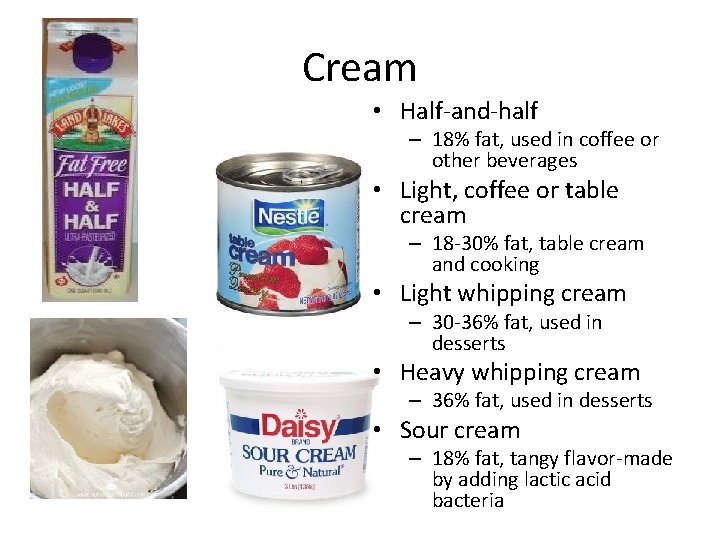 Half And Half Instead Of Whipping Cream
Another handy trick: boost the fat content if you really need more structure. For example, if you’re making a quiche or a creamy casserole, melt a tablespoon of butter for every cup of half-and-half you use. This nudges the fat up closer to heavy cream territory. Conversely, if you’re trying to lighten a recipe, half-and-half is your go-to—it cuts calories and fat by nearly half while still keeping things decadent. Start with a 1:1 swap, then taste and adjust. Your palate is the best guide, and cooking is about confidence, not perfection.
Finally, remember that half-and-half is more heat-sensitive than heavy cream. It can curdle if boiled aggressively, so always add it toward the end of cooking and keep the heat gentle. A low simmer is your best friend here. This makes it perfect for last-minute additions to pasta or for stirring into a hot soup right before serving. The payoff? A dish that feels rich but not heavy, and a fridge that never feels like a liability again. So next time you’re staring at a carton of half-and-half and a recipe calling for heavy cream, relax—you’ve got this. It’s a swap that says, “I know what I’m doing,” even when you’re just winging it.