Can You Use Granulated Sugar Instead Of Caster Sugar

There’s something deeply satisfying about baking. The ritual of measuring, mixing, and waiting for that golden-brown creation to emerge from the oven is a small, reliable joy...

There’s something deeply satisfying about baking. The ritual of measuring, mixing, and waiting for that golden-brown creation to emerge from the oven is a small, reliable joy in a busy world. But then, halfway through a recipe for a delicate sponge or a glossy meringue, you hit a snag: the ingredient list calls for caster sugar, and your cupboard only holds the familiar, granulated variety. Panic sets in, but it really shouldn’t. This is exactly where a little kitchen know-how turns a potential failure into a happy discovery. The main purpose of exploring this swap is to keep your baking ambitions alive without a frantic trip to the store, saving you time and money while proving that a well-stocked pantry is often all you need.
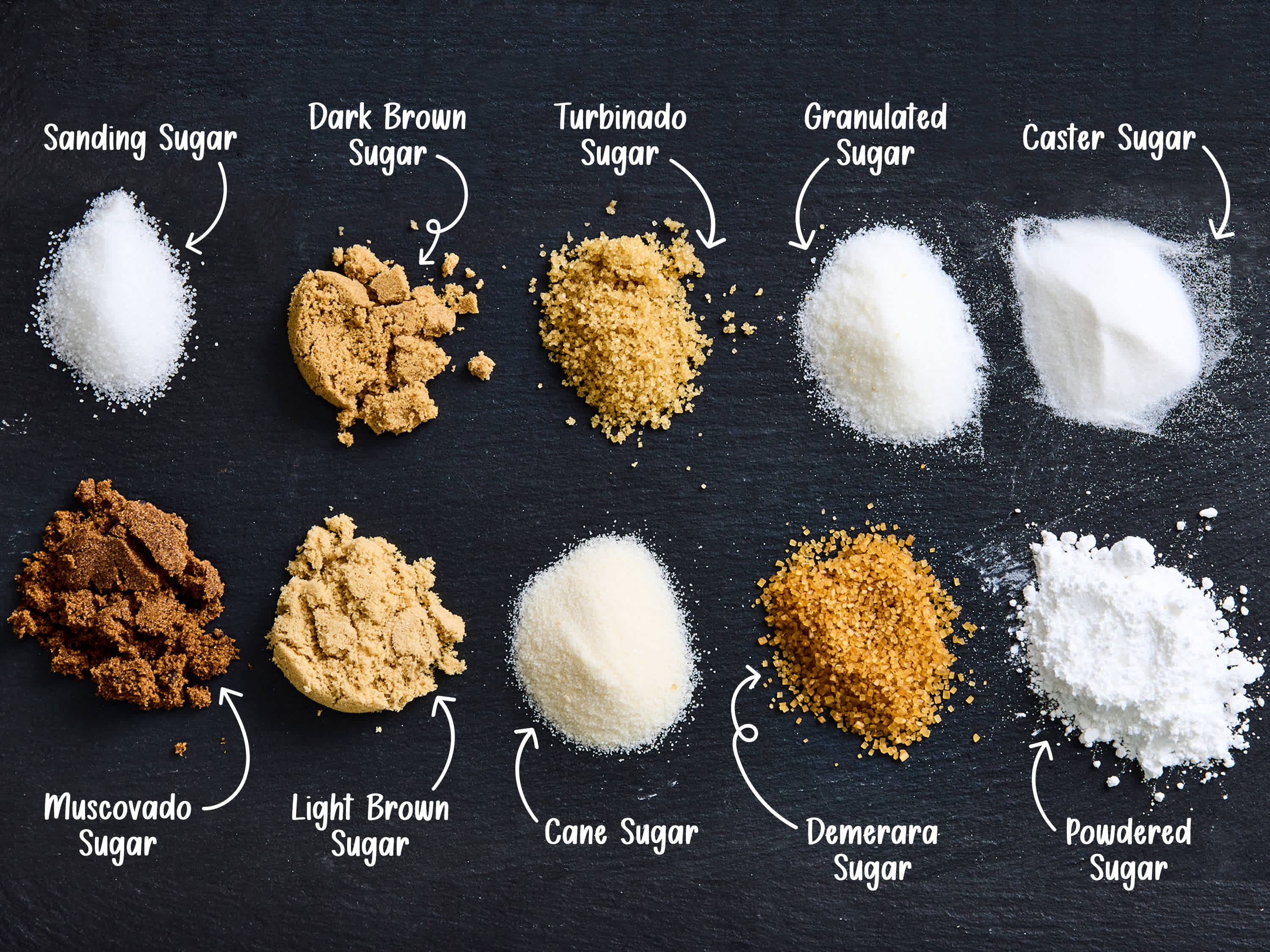
So, what’s the actual difference? In simple terms, caster sugar (sometimes called superfine sugar) has much smaller crystals than standard granulated sugar. This finer texture means it dissolves faster and incorporates more evenly into batters and creams. Think of it as the speedster of the sugar world. For most home bakers, this matters most in recipes where you want a light, airy result—like a Victoria sponge, a pavlova, or a batch of shortbread. The good news? Granulated sugar is not a disaster; it’s just a slightly chunkier cousin. You can absolutely use it, but you’ll need to adjust your technique a little to make sure everything works smoothly.
One of the best examples is creaming butter and sugar together for a cake. If you use granulated sugar, the larger grains will cut into the butter slightly differently, which can sometimes lead to a coarser crumb. The fix is simple: cream the mixture for a minute or two longer than the recipe suggests. Give those butter and sugar crystals more time to interact, and you’ll trap more air, resulting in a cake that’s still wonderfully tender. For cookies, the swap is even easier—granulated sugar might give you a slightly crunchier edge, which many people actually prefer. It’s not about perfection; it’s about knowing how to adapt.
Must Read
What about those finicky recipes where dissolving sugar quickly is critical—like a meringue or a mirror glaze? Here, the smaller crystals of caster sugar truly shine. If you use granulated sugar, you risk ending up with a grainy texture because the larger crystals won’t dissolve fully before the mixture sets. But don’t despair! You have a secret weapon in your kitchen: a clean coffee grinder, a spice mill, or even a high-speed blender. Simply pulse your granulated sugar for 10–15 seconds, and voilà—you’ve created homemade caster sugar. This is the single most actionable tip: grind it yourself in seconds, and you’ve bypassed the entire problem.
For everyday baking—like muffins, brownies, or loaf cakes—the swap is nearly seamless. In these recipes, where you don’t rely on sugar for structure, you can use granulated sugar one-to-one with minimal changes. Just remember to give your batter a little extra stir to ensure everything blends well. A practical variation: if you’re making a wet batter (like for pancakes or a simple syrup), granulated sugar dissolves just fine if you warm the liquid slightly or whisk more vigorously. The key is to avoid panic and trust your instincts.
 Granulated Sugar Vs Caster Sugar
Another common scenario is dusting the top of scones, cookies, or pastries. While caster sugar gives a delicate, even sparkle, granulated sugar provides a bolder, crunchier crunch. I actually prefer it for things like sugar cookies or cinnamon twists, where that extra texture is a delightful contrast. The takeaway? There’s no universal “right” answer—only what works best for your recipe and your taste. Start by asking yourself: “Does this recipe need light and airy, or is chewy and crunchy okay?” That question will guide your choice.
In the end, the kitchen is a place for experimentation, not rigid rules. Using granulated sugar instead of caster sugar is a tiny, everyday victory for flexibility—and a reminder that you don’t need a specialty ingredient to create something wonderful. My simple advice: keep a bag of granulated sugar handy, and for those rare occasions when only fine sugar will do, pulse it in your grinder. You’ll save a trip, reduce waste, and feel a little more resourceful. So the next time you’re mid-recipe and spot that omission, take a breath, smile, and reach for the bag you already have. Your baking—and your schedule—will thank you.