Can You Use Flour Instead Of Cornstarch

Welcome to the wonderful world of kitchen substitutions, where a pantry staple can suddenly save your dinner! We’ve all been there: you’re mid-recipe, the sauce is bubbling, a...
Welcome to the wonderful world of kitchen substitutions, where a pantry staple can suddenly save your dinner! We’ve all been there: you’re mid-recipe, the sauce is bubbling, and you reach for the cornstarch—only to find an empty box. Panic sets in, but before you run to the store, let’s talk about flour. This humble white powder isn’t just for baking bread; it’s a surprisingly capable stand-in for cornstarch. The purpose of this swap is practical resilience—it lets you finish a dish without breaking your flow. The biggest advantage? Flour is almost always in your cupboard, and it’s cheaper than specialty thickeners. Plus, learning this trick turns a moment of frustration into a small victory of kitchen ingenuity.
However, let’s be clear: flour and cornstarch are not identical twins—they’re more like cousins with different talents. Cornstarch is a pure starch, extracted from corn, which gives it a glassy, glossy finish and about twice the thickening power of flour. When you substitute flour, you must use double the amount—so if a recipe calls for 1 tablespoon of cornstarch, use 2 tablespoons of all-purpose flour. But there’s a catch: flour contains gluten and proteins, which can make your sauce cloudy instead of clear. This is perfect for creamy stews, gravies, or chowders, where opacity is welcome. For a pie filling or a clear fruit sauce, stick with cornstarch—or accept that your dish will look rustic and be proud of it!
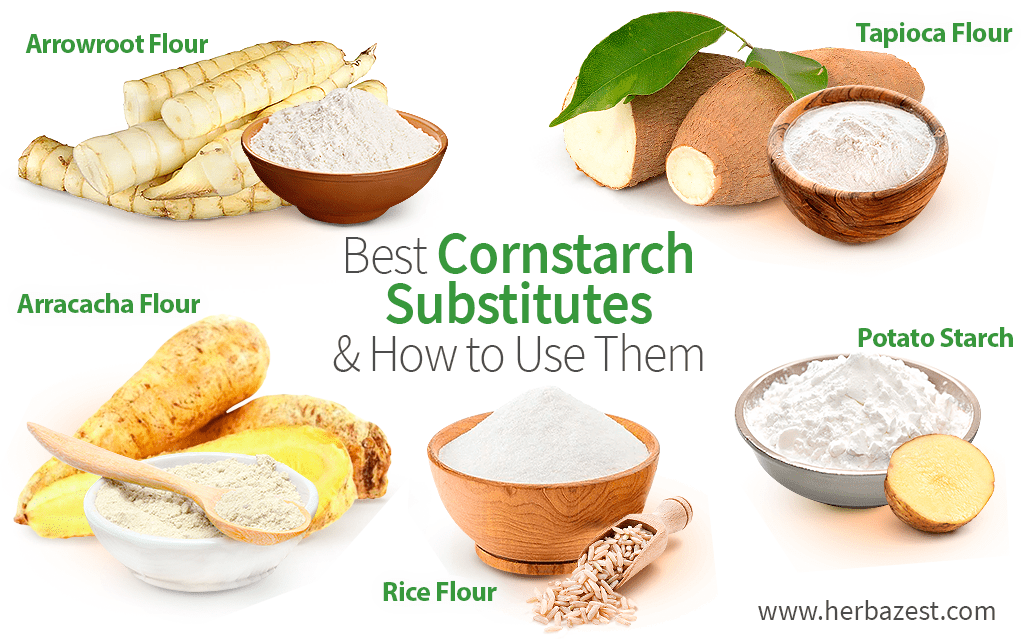
Now, for the creative part: how can you make flour shine in place of cornstarch? Think of hearty comfort foods. Imagine a thick beef stew where the flour helps create a rich, velvety texture that coats every chunk of carrot and potato. Or picture a chicken pot pie filling—flour gives it a luscious, creamy body that holds up beautifully under a flaky crust. For a fun twist, try using rice flour or arrowroot (if you have them) for a clearer result, but all-purpose flour is your everyday hero. One popular trick: make a roux by cooking equal parts butter and flour before adding liquid. This eliminates the raw flour taste and adds a toasty, nutty flavor that cornstarch can’t match. Use this roux as a base for mac and cheese, gumbo, or a robust mushroom gravy.
Must Read
Here’s where practical advice saves your dish: always make a slurry. Never dump dry flour directly into hot liquid—it will form clumps like tiny dumplings. Instead, whisk 2 tablespoons of flour with ¼ cup of cold water (or broth) until smooth, then slowly stir it into your simmering sauce. Patience is key—flour needs at least 3–5 minutes of gentle boiling to release its thickening power and cook out the starchy taste. Cornstarch thickens instantly, but flour is a slow and steady worker. Also, remember that flour-based sauces can thicken further as they cool, so stop adding slurry when the sauce is slightly thinner than your goal.
What about fried foods? Can flour replace cornstarch for that crispy coating? Yes, but with a different outcome. Cornstarch creates an ultra-crispy, delicate crust on fried chicken, tempura, or tofu. Flour alone gives a more substantial, bread-like crunch. For the best of both worlds, mix half flour and half cornstarch—or if you only have flour, add a pinch of baking powder to lighten the texture. Another tip: toss your protein in flour first, then dip in egg, then coat again in seasoned flour. This double-dredge method produces a hearty, crunchy shell that’s perfect for Southern-style fried chicken. You won’t miss the cornstarch at all.
 CORNSTARCH VS FLOUR. What to use? Can I use cornstarch instead of flour
Let’s not forget baking—yes, flour can even step in for cornstarch in some desserts. When a recipe asks for cornstarch in a fruit crisp or crumble, substitute with rolled oats or ground nuts for texture, but flour works too. For a pie filling, use 2 tablespoons of flour per cup of fruit, but be aware it will make the juice murky and slightly pasty. That’s actually perfect for a rustic apple or peach pie where you want a homestyle appearance. But for a gleaming lemon tart or a transparent berry glaze, avoid flour—it’s not the right tool for that job. Know your audience: if you’re serving guests who love that “made with love” look, flour is fine. If you need a picture-perfect shine, call in cornstarch.
Finally, here’s a clean summary of when to use flour instead of cornstarch: do it for savory, creamy, or hearty dishes where cloudiness is okay or even desired. Avoid it for delicate, clear sauces (like sweet and sour) or high-acid recipes (like a lemon curd) that can break the flour’s thickening. A pro tip: freeze your extra flour slurry in ice cube trays—pop a cube into soups or stews for instant thickening later. And if you’re gluten-free, swap in rice flour at equal parts to cornstarch for a similar effect. The real magic? Every time you improvise with flour, you build confidence in your cooking instincts. So next time you’re out of cornstarch, smile, grab that bag of flour, and show your dinner who’s boss!
