Can You Use Dishwashing Soap For Laundry

So, you’re staring at an empty laundry detergent bottle, a mountain of gym socks, and a shiny bottle of Dawn dish soap. The thought crosses your mind: “Can I just… you know, u...

So, you’re staring at an empty laundry detergent bottle, a mountain of gym socks, and a shiny bottle of Dawn dish soap. The thought crosses your mind: “Can I just… you know, use this?” It’s a tempting idea, born of convenience and a pinch of desperation. But before you drown your favorite cashmere sweater in a sea of lemony-fresh suds, let’s break down this sudsy science experiment, shall we?
First, the blunt truth: dish soap is not designed for your washing machine. It’s a grease-fighting superhero for your plates, but for your clothes? It’s a bit like using a firehose to water a tiny houseplant. The main issue is foam. Laundry detergent is low-sudsing on purpose; dish soap is a foam monster. Pour in a capful, and you might open your washer to a scene straight out of a bubble bath commercial—only your clothes are the ones drowning in foam. Your machine can actually overflow, leaving you with a soapy slip-and-slide in your laundry room (not the fun kind).
Now, let’s talk about the chemistry of it. Dish soap is formulated to break down oils and food residue with aggressive surfactants. Laundry detergent is gentler, designed to lift dirt while preserving fabric dyes and fibers. Using dish soap regularly can strip the color from your favorite jeans and leave your delicates feeling a bit like rough, scratchy sandpaper. Also, it’s harsh on your washing machine’s internal seals. Nobody wants a leaky washer that costs a fortune to repair. Save the dish soap for your cast-iron skillet, not your cashmere.
Must Read
But wait—before you hurl the bottle back under the sink, there is a tiny, emergency loophole. For spot-treating a greasy stain (like that unfortunate salad dressing incident on your white shirt), a dab of dish soap is a miracle worker. Rub a drop on the stain, let it sit for five minutes, then rinse. It’s a brilliant pre-treatment. Just don’t dump it in the drum. And if you’re truly out of detergent and absolutely, positively need to wash a load? Use one teaspoon of dish soap—no more—in a large load. Set your machine to an extra rinse cycle. I’m serious. You’ll be living dangerously, but you might survive. Think of it as a tactical, one-time strike.
So, what are the better alternatives when you’re in a pinch? Borax, baking soda, or even a capful of white vinegar can refresh clothes without the foam apocalypse. Or just embrace the chaos and do a sink wash with your dish soap—hand-washing a few items is a lot easier than mopping a kitchen floor full of suds. Also, you can make your own laundry detergent with grated bar soap, washing soda, and borax. But that’s a project for a different, more crafty day.
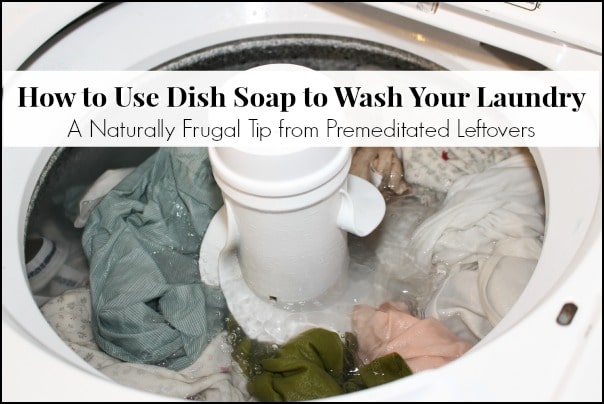 How to Use Dish Soap to Wash Your Laundry
At the end of the day, dish soap and laundry detergent are like distant cousins at a family reunion—they share a last name, but they don’t really get along. The bottom line: use dish soap for its intended purpose (making your dishes sparkle and your hands smell like a lemon grove), and save the laundry detergent for your clothes. Your washing machine will thank you with years of loyal service. And your favorite sweater? It’ll stay soft, bright, and blessedly free of bubble-bath trauma.
So go ahead—give that dish soap a wink as you pass it in the cabinet. It knows what it did. And you know better now. Wash on, you magnificent laundry wizard. Even if you do, occasionally, need to hand-wash a sock or two.
