Can You Use Creme Fresh Instead Of Cream

Picture this: you’re mid-recipe, feeling like a culinary god, and then you spot it. The recipe screams for cream, but your fridge offers only a mysterious little tub labeled c...
:max_bytes(150000):strip_icc():format(webp)/GettyImages-1197614685-2000-82a574c498c844f2bf659fb79bfee6b7.jpg)
Picture this: you’re mid-recipe, feeling like a culinary god, and then you spot it. The recipe screams for cream, but your fridge offers only a mysterious little tub labeled crème fraîche. Panic sets in. Is this a fancy imposter, a dairy doppelgänger, or a total kitchen catastrophe waiting to happen?
First, let’s clear the air: crème fraîche is not a villain. It’s actually the sophisticated, slightly tangy cousin of heavy cream—like if cream went to finishing school in France and came back with a beret and a sour attitude. But can you swap one for the other without ending up with a gluey soup? The short answer is yes, but the long answer involves a little science and a lot of “Oh, don’t do that.”
The Great Cream Identity Crisis
Regular heavy cream is about 36% fat, and it’s basically a blank canvas. It whips, it thickens, it doesn’t judge you. Crème fraîche, meanwhile, is cream that’s been fermented with bacterial cultures—think of it as cream that’s been to a day spa and gotten a probiotic facial. It’s thicker, tangier, and has a fat content around 30% to 40%, so it’s not a slimmed-down substitute.
Must Read
Here’s the kicker: heat is the battleground. Heavy cream is a champ at high temperatures; it reduces into silky sauces without splitting into a greasy mess. Crème fraîche, surprisingly, is even more heat-stable because of its acidity. You can boil it, bake it, or threaten it with a blowtorch, and it won’t curdle. That’s a party trick heavy cream can only dream of.
When the Swap Works Like a Dream
Use crème fraîche instead of cream in savory dishes, and you’ll feel like a genius. Stir it into a pasta sauce, a creamy soup, or a chicken stroganoff, and it adds a subtle tang that makes people say, “What’s that secret ingredient?” (You, sipping wine, say nothing.) It also makes scrambled eggs taste like angel clouds, and it’s fabulous on baked potatoes.
But here’s where we put the brakes on: whipped cream is a no-go. Try whipping crème fraîche, and you’ll get a thick, buttery blob that looks like it’s about to sue you for emotional damages. It doesn’t whip, it churns. You can technically sweeten it and serve it as a dollop on pie, but don’t expect billowy clouds—expect a dense, tangy blanket.
The Sweet Spot: Baking and Desserts
In cakes and muffins, crème fraîche is a hidden treasure. It replaces cream (or even sour cream) one-to-one, and it adds incredible moisture. A classic pound cake made with crème fraîche is insanely tender, with a faint tang that cuts sweetness. It’s the kind of cake that makes you close your eyes and hum.
However, don’t try to make crème fraîche panna cotta with a straight swap. The acidity can mess with gelatin, turning your elegant dessert into a wobbly puddle of regret. For that, stick with heavy cream or dilute your crème fraîche with a splash of milk first. Your dinner guests will never know you panicked.
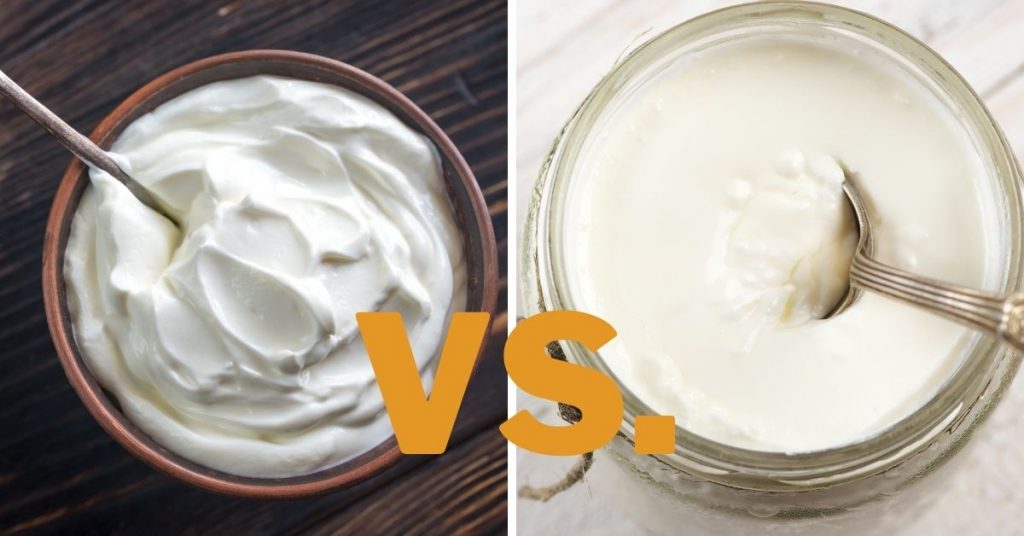 Crème Fraiche vs. Heavy Cream: Differences & Which Is Better?
The Most Surprising Fact: You Can Hack It
Here’s a mind-blowing secret: you can make fake crème fraîche at home. Mix one cup of heavy cream with two tablespoons of buttermilk or lemon juice, let it sit at room temperature for 12 to 24 hours, and boom—you’ve got a homemade version that’s almost identical to the expensive French stuff. It’s like cloning your fridge, but legal.
And the opposite? You can’t turn crème fraîche back into heavy cream. Once bacteria have done their dance, there’s no un-fermenting. It’s a one-way ticket to Tangy Town, population: you.
The Final Verdict (with a Warning)
So, can you use crème fraîche instead of cream? Yes, but only if you’re brave. For creamy soups, sauces, mashed potatoes, or anything baked, go for it. For whipped cream, custards, or anything that requires a gentle, neutral hand, don’t you dare. You’ll end up with a tangy tragedy.
Here’s a cheat sheet etched onto my soul: if a recipe calls for cream to add richness and body, crème fraîche works. If it calls for cream to add structure (like in a whipped topping or a delicate custard), run the other way. Or better yet, just buy both. Your fridge can handle a little French tension.
Ultimately, crème fraîche is not a substitute—it’s a character actor. Don’t cast it as the lead in a romantic comedy (whipped cream on pie), but let it shine in a thrilling drama (savory pasta). You’ll both look good. And if all else fails, just eat it straight off a spoon at midnight and call it self-care. I won’t tell.
:max_bytes(150000):strip_icc():format(webp)/GettyImages-1197614685-2000-82a574c498c844f2bf659fb79bfee6b7.jpg&description=Can+You+Use+Creme+Fresh+Instead+Of+Cream)