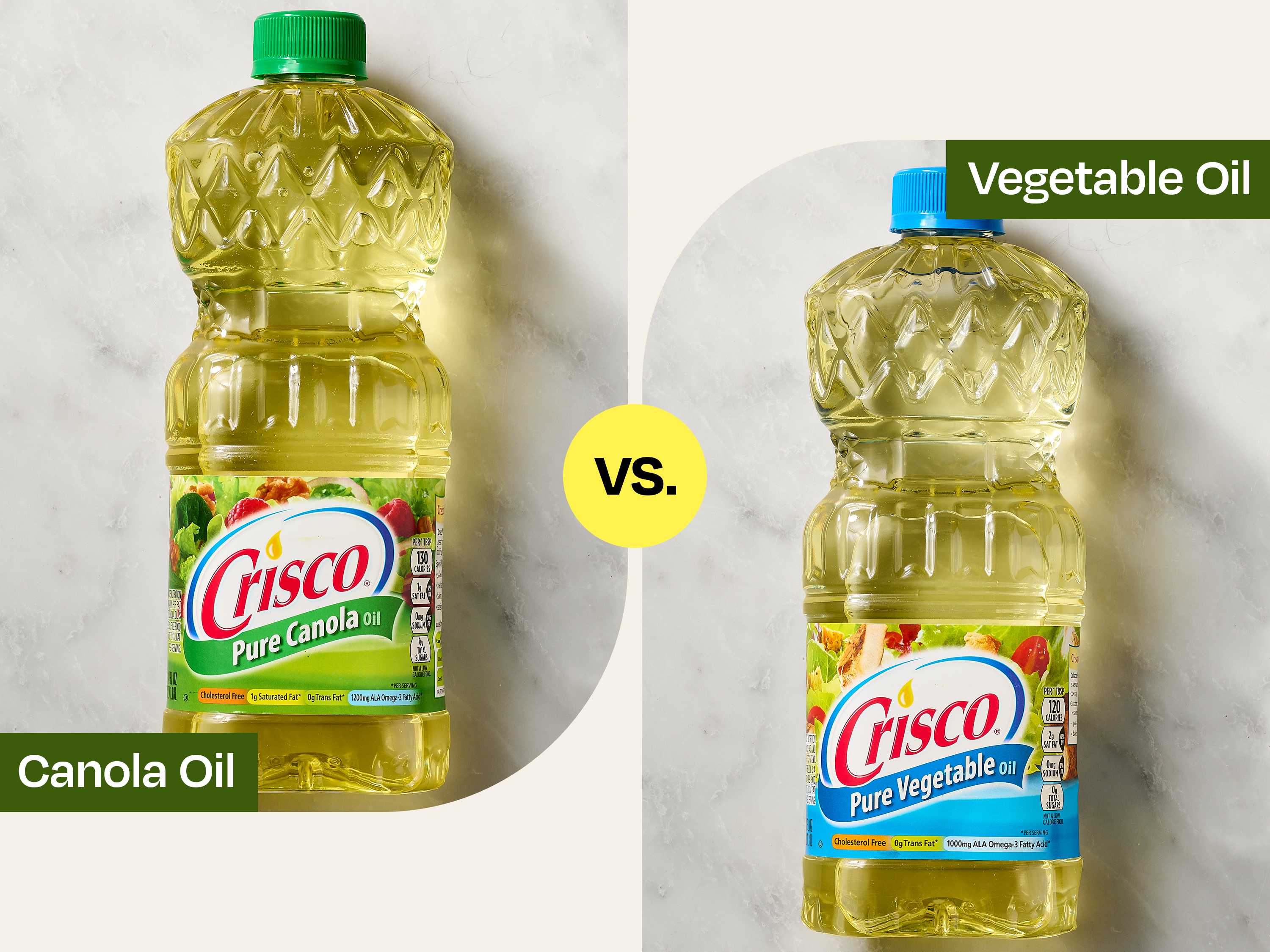
Can You Use Canola Oil For Vegetable Oil

There is a quiet moment of culinary certainty that home cooks cherish: the moment you reach for a bottle of vegetable oil, ready to create something delicious. Whether you are...
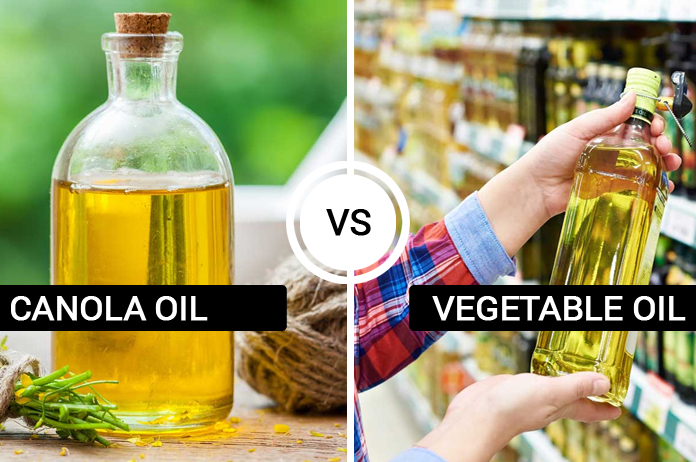
There is a quiet moment of culinary certainty that home cooks cherish: the moment you reach for a bottle of vegetable oil, ready to create something delicious. Whether you are searing a fluffy pile of hash browns for a weekend breakfast or whisking together a vibrant vinaigrette for a weekday salad, this neutral, reliable pantry staple feels almost indispensable. It promises high smoke points, a clean flavor, and the versatility to move from stovetop to oven without complaint. Yet, a common, practical question often interrupts this kitchen confidence: Can you use canola oil for vegetable oil? The short answer is a reassuring yes, and understanding why can transform a moment of doubt into one of empowered cooking.
The confusion often stems from a simple labeling truth: canola oil is a type of vegetable oil. While the term "vegetable oil" is a broad category typically referring to a blend of plant-based oils like soybean, corn, or sunflower, canola oil is a specific oil pressed from the seeds of the canola plant. For almost all everyday cooking and baking needs, canola and vegetable oil are perfectly interchangeable. This means if your recipe calls for vegetable oil and you only have canola, you are not making a compromise; you are simply using a slightly more specialized cousin. This knowledge is a small but mighty tool for preventing unnecessary grocery trips and reducing kitchen waste.
The primary benefits of using canola oil in place of a generic vegetable oil revolve around its neutral flavor and high smoke point. At around 400°F (204°C), canola’s smoke point is comparable to or even slightly higher than most standard vegetable oil blends. This makes it an exceptional choice for high-heat cooking methods. Imagine searing a batch of golden-brown dumplings for a quick weeknight dinner—the canola oil will heat evenly, prevent sticking, and won’t impart any off-flavors to your crisp, savory pockets. Similarly, when roasting vegetables like broccoli or potatoes at 425°F, canola oil ensures they char beautifully without burning the oil itself, a key factor in achieving that perfect textural contrast of caramelized edges and soft interiors.
Must Read
For baking, the substitution is equally seamless. Cakes, muffins, and quick breads rely on oils for moisture and a tender crumb, and they demand a fat that won’t interfere with delicate flavors. Here, canola oil shines because of its exceptionally light taste. For instance, when you are folding together a batter for a classic vanilla birthday cake, using canola oil ensures the pure, sweet essence of the vanilla and sugar remain the stars. A strongly flavored oil could mask these subtle notes. Beyond flavor, many bakers appreciate that canola oil is lower in saturated fat than some vegetable oil blends, offering a subtle nutritional edge without sacrificing texture. This makes it a go-to for health-conscious home bakers who still crave the perfect, moist muffin.
Of course, there are a few nuanced scenarios where a specific vegetable oil might be preferred. For deep-frying large batches of food, a dedicated peanut or avocado oil offers an even higher smoke point, though canola remains an excellent and more economical choice. Similarly, if a recipe explicitly calls for a specific type of vegetable oil—like corn oil for its distinct, buttery note in certain pastries—then canola’s neutrality might not be the best match. However, for nine out of ten everyday uses—sautéing, stir-frying, salad dressings, and baking—canola oil is not just a substitute; it is a superior choice. It is also generally less expensive than more exotic oils, making it a budget-friendly workhorse for the home cook.
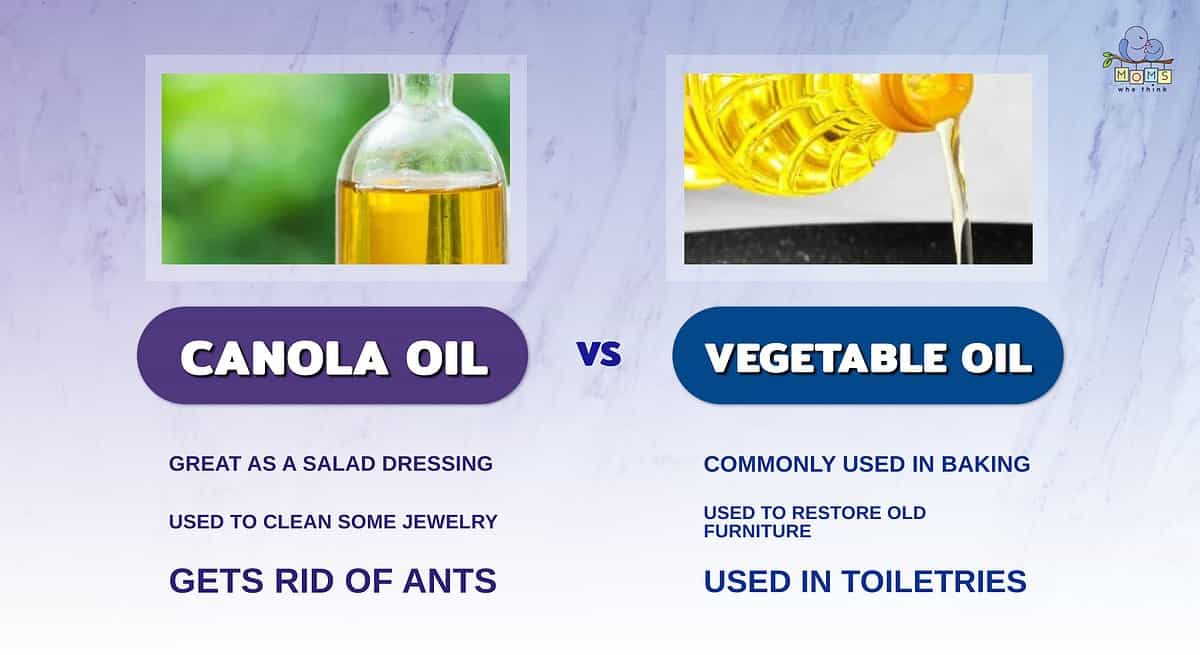 Canola Oil vs Vegetable Oil
To explore this swap confidently in your own kitchen, start with a simple experiment. Next time you make a batch of pancakes or a simple stir-fry of chicken and vegetables, use canola oil where you would typically use vegetable oil. Pay attention to the cooking behavior—how it spreads in the pan and how the food browns—and, most importantly, the final taste. You will likely find no discernible difference in flavor, but you might notice a slightly cleaner, less greasy mouthfeel. Another tip: keep a bottle of canola oil handy for making homemade mayonnaise or aioli. Its mild flavor allows the lemon and garlic to shine without competition, and its emulsifying properties are excellent, yielding a thick, creamy sauce that rivals any store-bought version.
Ultimately, the decision to use canola oil for vegetable oil comes down to practicality and peace of mind. By understanding that canola is simply a specific, high-quality vegetable oil, you free yourself from unnecessary culinary rules. Embrace its versatility for your high-heat cooking and your most delicate baking. Let it be the quiet, reliable partner in your kitchen that steps in without fuss. So, the next time you are mid-recipe and your hand hovers over the bottle, remember: you are not just substituting; you are choosing a wonderfully functional, neutral oil that supports your cooking goals with quiet excellence.