Can You Use Bread Flour To Make Pancakes

There’s something genuinely enjoyable about poking around your kitchen, realizing you’re out of all-purpose flour, and wondering if that bag of bread flour sitting in the corn...
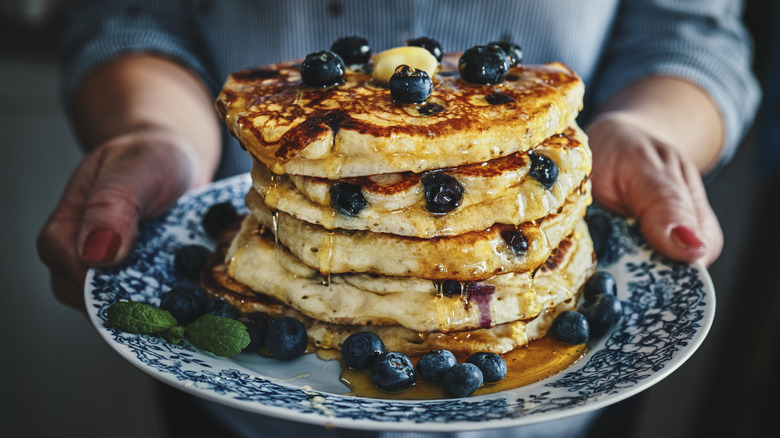
There’s something genuinely enjoyable about poking around your kitchen, realizing you’re out of all-purpose flour, and wondering if that bag of bread flour sitting in the corner can save your Saturday morning pancake craving. This topic is practical because it solves a very common problem—running out of a key ingredient—and it’s widely appreciated by home cooks who hate making an extra trip to the store. The main purpose here is to show you that bread flour can absolutely make pancakes, and the benefit is a batch of pancakes that are noticeably chewier, sturdier, and a little more filling than their all-purpose counterparts. Whether you’re a busy parent, a college student on a budget, or just a curious cook, knowing this trick means you’re never truly out of pancake supplies.
Let’s talk about what makes bread flour different. Bread flour has a higher protein content—usually around 12 to 14 percent—compared to all-purpose flour’s 9 to 11 percent. That extra protein creates more gluten when you mix the batter, which is great for bread’s structure but can make pancakes a bit tougher if you’re not careful. However, that toughness isn’t necessarily a bad thing. Many people actually prefer the heartier texture, especially for savory toppings like bacon, eggs, or a drizzle of maple syrup. For example, a classic American-style pancake made with bread flour will hold its shape better on the griddle and won’t get soggy as quickly when you stack them. Some breakfast lovers even seek out this texture intentionally, calling it a “diner-style” pancake—dense, satisfying, and perfect for soaking up syrup without falling apart.
Common variations of this technique include using whole wheat bread flour for a nuttier flavor or blending bread flour with a little cornmeal for added crunch. You might also see recipes that call for “high-gluten flour,” which is essentially bread flour under a different name. If you’ve ever had a pancake from a lunch counter that felt almost like a cross between a pancake and a biscuit, chances are they used a high-protein flour. The key takeaway here is that bread flour isn’t a compromise—it’s a choice. You’re simply swapping one ingredient for another with slightly different properties, and that can lead to a deliciously unique result.
Must Read
To get started, the most important tip is to avoid over-mixing the batter. Because bread flour develops gluten faster, mixing it too vigorously will result in pancakes that are tough and rubbery. Instead, stir the wet and dry ingredients until they’re just combined—a few lumps are perfectly fine. Let the batter rest for five to ten minutes after mixing; this relaxes the gluten a bit and allows the flour to absorb the liquid, giving you a tenderer pancake. You’ll also want to use a little extra liquid—about a tablespoon of milk or water per cup of bread flour—since high-protein flour absorbs more moisture. This simple adjustment keeps the batter from becoming too stiff.
Another actionable tip is to adjust your cooking temperature. Bread flour pancakes can brown faster due to the higher protein and sugar content, so lower your griddle heat by a notch or two. Cook them over medium-low heat instead of medium-high, and watch for bubbles forming on the surface before flipping. This prevents the outside from burning while the inside stays raw. If you’re making a large batch, keep the cooked pancakes warm in a 200°F oven on a baking sheet, but don’t stack them too high or they’ll steam and lose that appealing chewy edge.
 Can I Use Bread Flour for Pancakes? - Baking Kneads, LLC
For the best results, consider pairing bread flour pancakes with toppings that complement their heartier texture. Thick-cut bacon, a pat of butter, and pure maple syrup are classic choices, but you can also go savory with fried eggs, cheddar cheese, or even a dollop of sour cream and chives. Because these pancakes are sturdier, they hold up well to heavier toppings like sautéed mushrooms or a poached egg. Some adventurous cooks even add a tablespoon of vital wheat gluten to their pancake batter for an extra protein boost—though that’s a step for those who really love the chew.
In the end, using bread flour for pancakes is a small kitchen experiment that pays off with a surprisingly satisfying breakfast. It’s a reminder that cooking is flexible and that pantry substitutions often lead to happy accidents. So next time you’re out of all-purpose flour, don’t hesitate—grab that bag of bread flour, adjust your mixing and heat just a little, and enjoy a stack of pancakes that are uniquely yours. You might just find yourself choosing it on purpose from now on.