Can You Substitute Flour For Cornstarch

So, you’re mid-recipe, ready to thicken that sauce or get that perfect crispy coating, and you realize you’re out of cornstarch. It’s a classic kitchen panic moment, right? Yo...
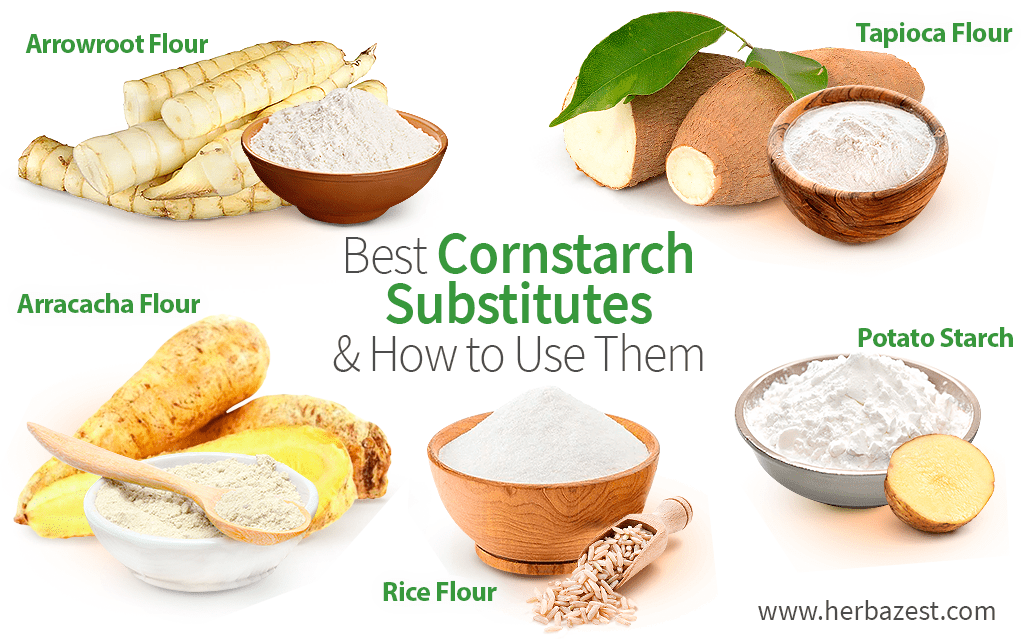
So, you’re mid-recipe, ready to thicken that sauce or get that perfect crispy coating, and you realize you’re out of cornstarch. It’s a classic kitchen panic moment, right? You look over at the flour sitting there, looking all innocent, and you have to ask: Can I just swap them? The short answer is yes, sometimes, but it’s way more interesting than a simple yes or no. Let’s get nerdy about this.
The Texture Tango: Why They’re Not Twins
Think of cornstarch as the ninja of the kitchen—light, fast, and leaves no trace. It creates a glossy, almost transparent sauce that feels clean on your tongue. Flour, on the other hand, is the friendly giant—heavier, slower, and it leaves a cloudy, matte finish behind.
When you whisk cornstarch into a hot liquid, it swells up instantly, giving you that silky, almost jelly-like grip. Flour needs a little more patience; it takes longer to thicken and needs to cook longer to lose that raw, pasty taste. Have you ever had gravy that tasted like a floury hug? That’s the friendly giant being a bit too eager.
Must Read
If you’re making a clear fruit pie filling, cornstarch gives you those gorgeous, jewel-like slices. Flour will give you a more rustic, homey look—like a cozy farmhouse table versus a fancy restaurant. Neither is bad, but they definitely aren’t interchangeable for that specific look.
The Crispy Factor: A Tale of Two Coatings
Now, let’s talk about frying, because this is where things get really cool. Cornstarch is the secret weapon for that shatteringly crunchy crust on fried chicken or tempura. It creates a super dry, delicate crunch that crackles when you bite it.
Flour creates a crunch, too, but it’s a crunch of depth. Think of a classic Southern fried chicken—it’s thicker, craggier, and more substantial. It’s the difference between a wafer-thin cracker and a hearty biscuit. Which one do you prefer? Your answer decides which powder gets the nod.
You can actually mix them for the best of both worlds. A 50/50 blend gives you flour’s staying power with cornstarch’s airy crispness. It’s like having a superhero team-up, where both strengths shine through.
The Magic of Measurements: You’ll Need a Math Moment
Here’s a fun fact: cornstarch is about twice as powerful as flour at thickening. If a recipe asks for two tablespoons of cornstarch, you’d need about four tablespoons of flour to get the same thickness. Mind blown, right? That little detail can save your soup from becoming a blob.
For sauces, start with one tablespoon of flour for every cup of liquid, then whisk. For gravies, use a little more, but always make a slurry first. Mix the cold flour with a little cold water or broth until smooth before adding it to the hot pot. Otherwise, you’ll get lumps. Nobody wants a lumpy sauce.
 Corn Starch NEW STARCH ALERT‼ KARLINS FINEST I GIVE THIS ONE 7/10!
With cornstarch, you make a slurry too, but it’s even more important because it clumps faster. Just remember: flour slurry needs a longer boil to cook out that raw taste. Cornstarch slurry works almost instantly, so don’t overcook it or it might break down.
When You Shouldn’t Even Think About It
Is there a time when you should absolutely not swap? Yes. Acidic things like vinegar, lemon juice, or wine can break down cornstarch, making your sauce watery. Flour is more stable with acid, so for a tangy sweet-and-sour sauce, stick to flour or a cornstarch-flour combo.
Also, if you are making a cold pudding or a no-bake pie, cornstarch is your best friend. Flour will leave a weird gummy texture when chilled. Ever bitten into a cold, floury pudding? It’s not a good time. Cornstarch sets into a smooth, sliceable gel.
And for gluten-free friends, know this: flour is a no-go. Cornstarch is naturally gluten-free, so if you’re cooking for someone with celiac disease, you have no choice. It’s actually a fantastic way to add body to gluten-free baking, too.
The Fun Takeaway: You Can, But They’re Personalities
So, can you substitute flour for cornstarch? Yes, but you’re changing the vibe of your dish. It’s like swapping a leather jacket for a denim one—both are cool, but they say different things. Flour gives you comfort and body; cornstarch gives you shine and lightness.
Next time you’re in a pinch, don’t panic. Just think about what you’re after. Do you want a glossy, restaurant-style sauce? Go get some cornstarch. Do you want a hearty, homey gravy that sticks to your ribs? Flour’s got your back.
The real fun is in experimenting. Try a half-and-half mix for your next stir-fry, or use all flour for a thick, creamy chowder. You’ll start to feel the difference in your whisk. That’s when you know you’re a real kitchen alchemist. Happy cooking!
