Can You Substitute Brown Sugar For Granulated Sugar

There’s a certain kind of joy in peeking into your pantry and realizing you’re almost ready to bake—but you’re missing that one key ingredient. For many home cooks and busy pa...

There’s a certain kind of joy in peeking into your pantry and realizing you’re almost ready to bake—but you’re missing that one key ingredient. For many home cooks and busy parents, that moment often leads to a practical, satisfying question: Can I swap brown sugar for regular granulated sugar? This is a topic that feels both playful and deeply useful, because it’s not just about saving a trip to the store. It’s about understanding the personality of your ingredients and unlocking a little kitchen magic. Whether you’re a weekend baker, a college student with a sweet tooth, or someone trying to use up what’s on hand, this substitution can save the day and sometimes even improve your recipe.
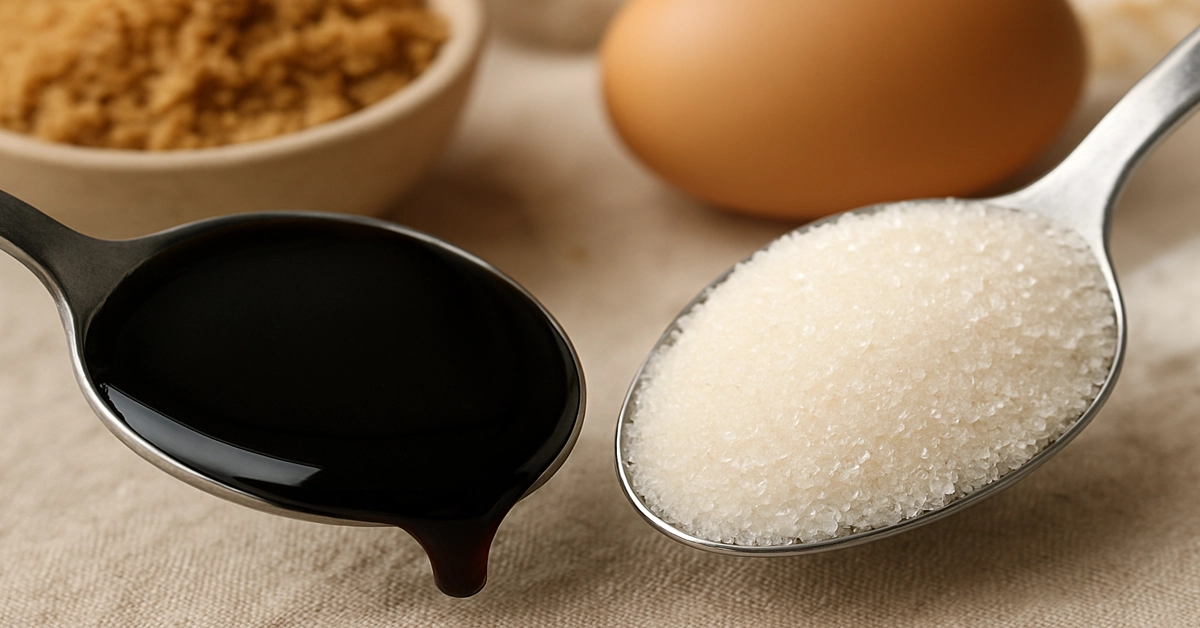
The main purpose of this swap is to change the texture, moisture, and flavor of your baked goods. Brown sugar isn’t just white sugar with a tan—it’s granulated sugar with molasses added back in. That molasses brings a subtle caramel-like depth, a slightly chewier texture, and extra moisture. For people who love soft, rich cookies or moist cakes, this is a dream come true. A classic example is chocolate chip cookies: using all brown sugar gives you that dense, chewy, almost fudgy center, while all white sugar makes them crispier and more spread out. Similarly, in a simple banana bread or a batch of oatmeal cookies, swapping in brown sugar can turn a good treat into a downright decadent one.
Of course, not every recipe welcomes the swap equally. You’ll want to think about what you’re making. For quick breads, muffins, and dense cookies, brown sugar works beautifully because the extra moisture helps keep them tender. For more delicate items like sponge cakes, meringues, or pavlovas, stick with granulated—white sugar’s crystal structure is essential for creating stable, airy peaks. A common variation is using a 50/50 mix: half brown, half white. This gives you a little of both worlds: some caramel flavor and chew, but without overwhelming the recipe. Many bakers swear by this blend for classic chocolate chip cookies or snickerdoodles.
Must Read
If you want to try substituting in a straightforward way, here’s a simple tip: swap by weight, not by cup. Brown sugar is denser and more packed than granulated sugar, so one cup of packed brown sugar weighs more than one cup of granulated. A safe ratio is use the same amount by weight—for example, 200 grams of brown sugar for 200 grams of white. If you must use volume, pack your brown sugar firmly and expect a slightly moister result. Also, reduce any other liquid in the recipe by about 1–2 tablespoons per cup of brown sugar you use, to keep the batter balanced.
 Granulated Sugar Vs Caster Sugar What Is Caster Sugar And How To Make
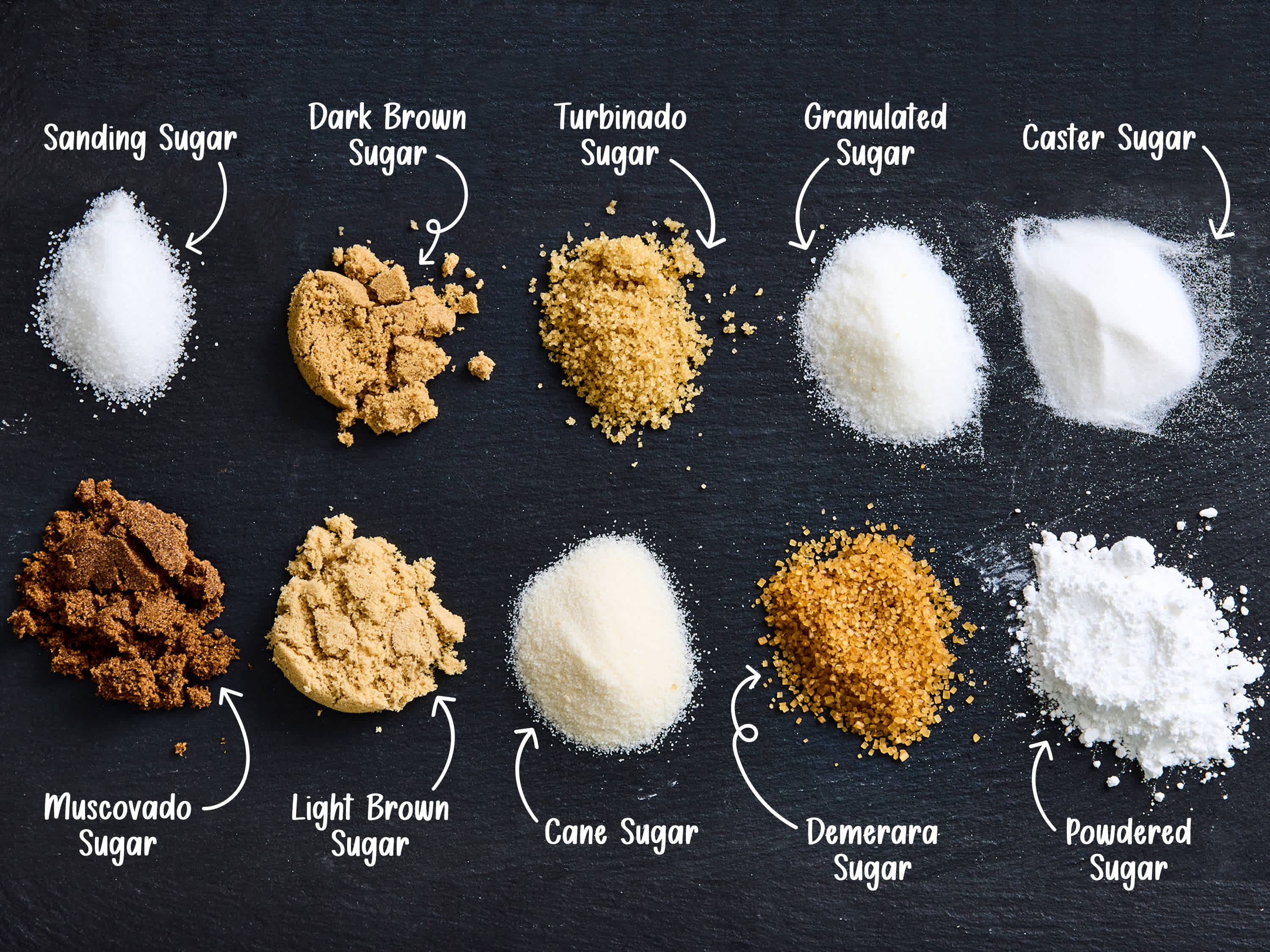
Another actionable tip: if you only have light brown sugar (the milder version), that works perfectly for most everyday swaps. Dark brown sugar has even more molasses, so it will give a stronger, almost toffee-like flavor and darker color. For cookies, this can be fantastic. For lighter cakes or pancakes, light brown is usually the better bet. And don’t worry about clumps—if your brown sugar has hardened, just pop it in the microwave for 10–15 seconds with a damp paper towel, or grate it with a cheese grater. Fresh, soft brown sugar blends much more easily into batters.
Ultimately, experimenting with brown sugar for granulated is a low-risk, high-reward adventure. You’re not just substituting—you’re customizing. You might find that your morning oatmeal, your barbecue sauce glaze, or even your coffee tastes richer with that molasses twist. So go ahead, open that bag of brown sugar and see where the flavor takes you. The kitchen is your playground, and this simple swap is one of its most forgiving, delicious tricks.