Can You Substitute Apple Cider Vinegar For White Vinegar

Okay, let’s settle this once and for all. You’re standing in your kitchen, a recipe in one hand and a bottle of apple cider vinegar in the other, when you realize the instruct...
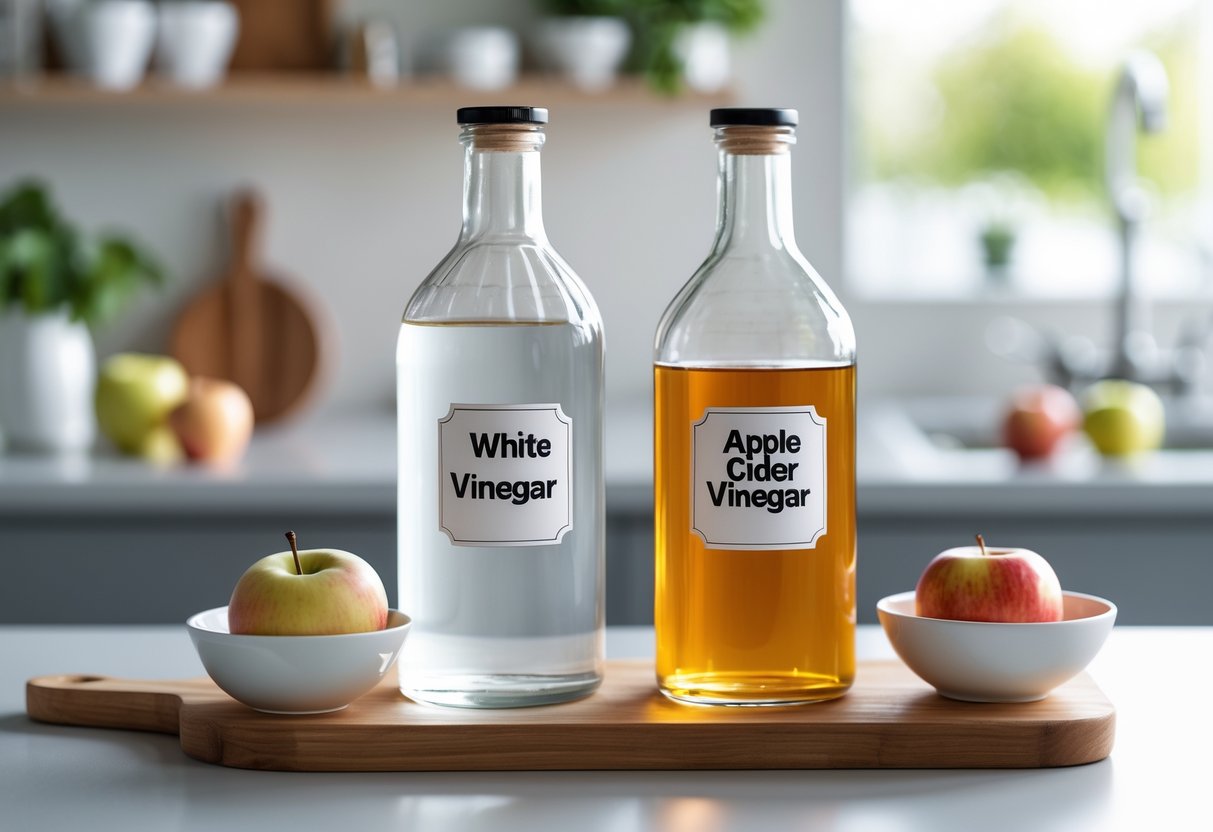
Okay, let’s settle this once and for all. You’re standing in your kitchen, a recipe in one hand and a bottle of apple cider vinegar in the other, when you realize the instructions call for white vinegar. Panic sets in. Is this a culinary crime? Will your salad dressing taste like a weird hipster experiment? Breathe. We’re about to dive into the glorious, slightly tangy world of vinegar swaps.
First, a quick chemistry lesson (don’t worry, no pop quiz). Both apple cider vinegar (ACV) and white vinegar are acids—usually around 5% acetic acid. That’s why they both kill germs, tenderize meat, and make your pickles taste like pickles. But here’s the kicker: they start life in very different places. White vinegar is made from distilled grain alcohol—think of it as the reliable, no-nonsense friend who shows up exactly as advertised. ACV, meanwhile, is fermented apple juice. It’s the earthy, slightly funky artist of the vinegar world, bringing a gentle fruitiness and a “mother” (yes, that weird cloudy blob) to the party.
So, can you swap them? Yes, absolutely—most of the time. But like swapping your favorite jeans for a pair of fancy pants, the result depends on the occasion.
Must Read
Let’s start with cleaning. This is where white vinegar reigns supreme. It’s cheap, colorless, and leaves no scent you’ll want to sniff your shirt for later. ACV? It’s a bit precious for scrubbing toilets, and you do not want your kitchen counters smelling like a forgotten cider doughnut. Stick to white vinegar for windows, laundry, and science experiments with baking soda.
Now, cooking—here’s where it gets delicious. For pickling or canning, white vinegar is your bestie. It keeps your cucumber spears crisp and clear, while ACV can darken them and add a fruity twist. But if you’re making a vinaigrette or a marinade for chicken? Go ahead, bring on the ACV! It adds a whisper of apple sweetness that makes your taste buds do a happy little dance. Just be aware: if your recipe calls for white vinegar for its neutrality—like in a light-colored sauce or meringue—ACV will turn it slightly brown and give it a personality makeover. Sometimes that’s a win. Sometimes it’s a “who put cider in my frosting?” moment.
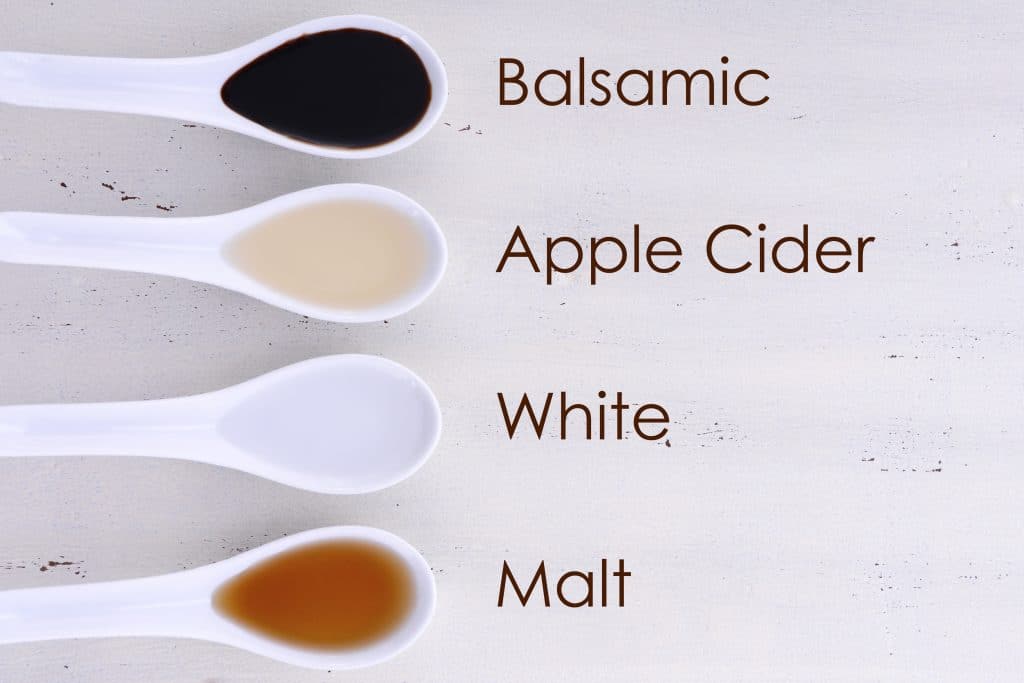 Apple Cider Vinegar Substitutes: 16 Easy Replacements - Honest Vitamin Guy
And let’s talk about a secret weapon: ACV is magic for baking soda-based recipes. When you mix them, you get that volcano-like fizz that makes cakes fluffy. White vinegar does the same job, but ACV adds just a hint of warmth. Try it in a gingerbread cake. Trust me.
But here’s the real truth bomb: in a pinch, they’re interchangeable for most household uses. Need to descale a coffee maker? Both work. Making a DIY hair rinse? ACV smells better. Forgetting to buy white vinegar for a science fair volcano? ACV will erupt just as impressively—and smell like autumn.
:max_bytes(150000):strip_icc()/vinegar-substitutes-4048794_FINAL-252d330163154a90a3c5e56ed031e4d9.png) What to Substitute for Any Kind of Vinegar
What to Substitute for Any Kind of Vinegar
So, yes, you can absolutely substitute apple cider vinegar for white vinegar—just know that you’re adding a subtle je ne sais quoi to whatever you’re doing. Will it ruin your recipe? Only if you’re Julia Child and your ladyfingers turn brown. Will it make your life more interesting? Probably.
Here’s the upshot: Don’t overthink it. The kitchen is not a courtroom. It’s a playground, and vinegar is just a swing set. If your swap leads to a slightly tangier salad or a less-picture-perfect pickle, you’ve still made food. And that’s a quiet victory worth celebrating. So go on—swap with confidence. Your salad, your rules. And if anyone complains? Just tell them it’s artisanal.
Now go forth, you magnificent vinegar warrior. May your dressing be zesty, your cleaning streak be streak-free, and your kitchen always have just one more bottle than you need. You’ve got this.
