Can You Sub Vegetable Oil For Olive Oil

There’s a quiet crisis in many kitchens: you’re halfway through a recipe for a vibrant vinaigrette or a delicate sauté, only to find the olive oil bottle is empty. The pantry...
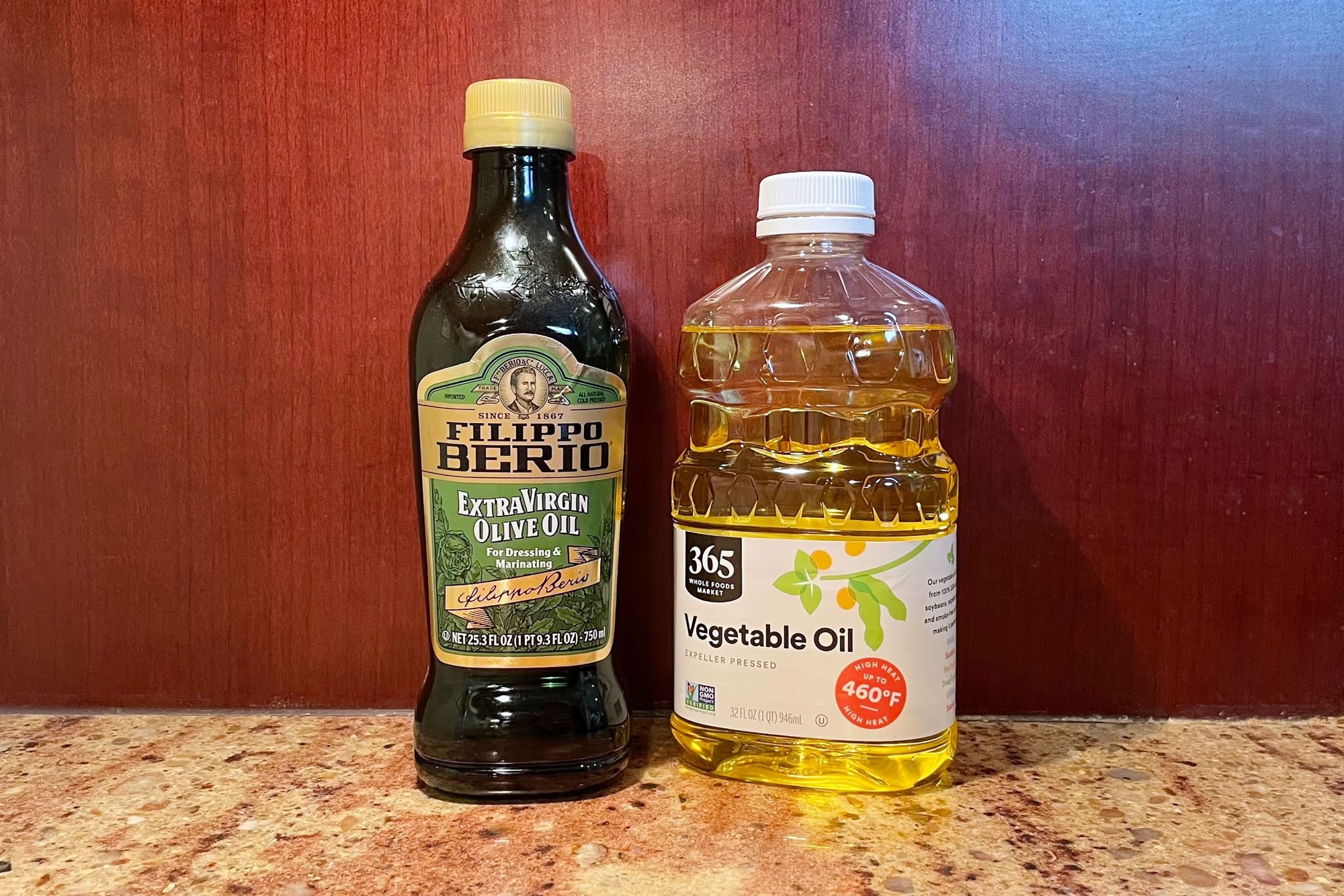
There’s a quiet crisis in many kitchens: you’re halfway through a recipe for a vibrant vinaigrette or a delicate sauté, only to find the olive oil bottle is empty. The pantry offers a bright, neutral bottle of vegetable oil. A moment of panic sets in. But this is not a disaster—it is an opportunity to understand a simple, versatile swap. People value olive oil for its fruity, peppery character and its reputation for heart-healthy fats, but vegetable oil holds its own as a workhorse of everyday cooking. The key question is not whether you can substitute, but when and how to do it without compromising the dish’s soul.
The fundamental distinction lies in flavor and smoking point. Olive oil, especially extra-virgin, brings a distinct, grassy, sometimes spicy taste that can define Mediterranean dishes. Vegetable oil is a blend of neutral oils (like soybean, canola, or sunflower) that is virtually flavorless. Their smoking points differ too: extra-virgin olive oil smokes around 375°F, while refined vegetable oils often handle heat up to 450°F. This means that for high-heat cooking—such as searing a steak, deep-frying, or stir-frying on a blazing wok—vegetable oil is actually the superior choice. It won’t burn or turn bitter, ensuring your food cooks evenly and without acrid notes.
For cold applications like salad dressings, dips, or finishing drizzles, the swap is trickier. Imagine whisking a classic vinaigrette: the rich, peppery olive oil binds with vinegar and mustard, creating a emulsion that bursts with complexity. Using vegetable oil here would yield a perfectly functional but lifeless dressing—like a photograph drained of color. The scenario changes if you are baking a moist chocolate cake or making mayonnaise. In baking, where fat’s role is moisture and tenderness rather than flavor, vegetable oil shines. It delivers a soft crumb without competing with chocolate or vanilla. Likewise, a neutral oil creates a silky, clean-tasting mayonnaise that many chefs prefer over the sometimes overpowering taste of olive oil.
Must Read
A critical nuance involves health and quality. Olive oil, particularly extra-virgin, is celebrated for its monounsaturated fats and antioxidant polyphenols, which support heart health and reduce inflammation. Vegetable oils, depending on their source, can be high in polyunsaturated omega-6 fats, which in excessive amounts may promote inflammation. However, not all vegetable oils are equal: a high-quality cold-pressed sunflower or avocado oil can rival olive oil’s benefits. The practical tip is to consider the frequency of the swap. If you are occasionally substituting vegetable oil for sautéing weeknight vegetables, the health impact is negligible. But if you dress every salad with vegetable oil, you lose the protective compounds that make olive oil a daily health ally.
Scenario-based thinking helps. Picture a roasted vegetable medley: you toss carrots, peppers, and onions with garlic and herbs. Olive oil lends a fruity background that complements the caramelization. Vegetable oil, however, will produce equally crispy, gorgeous results—just without that floral note. The compromise is acceptable if you add a splash of vinegar or a sprinkle of smoked paprika after roasting. Now imagine a pasta aglio e olio, that simple Roman dish of garlic, chili, and olive oil. Here, the oil is the star. Substituting vegetable oil would turn the dish into a bland, greasy noodle bowl. In such cases, it is better to postpone cooking until you can buy olive oil, or use a flavored vegetable oil (like one infused with garlic or herbs) as a workaround.
 Is Vegetable Oil a Good Substitute for Olive Oil? Guide
To explore this swap confidently, adopt a few simple tips. First, always check your recipe’s heat requirement: if the ingredient list says “medium-high heat,” vegetable oil is often safer. Second, when using vegetable oil in place of olive oil for sautéing or roasting, compensate by adding a small pat of butter or a drizzle of balsamic at the end for depth. Third, for baking, you can substitute in a 1:1 ratio—just ensure you are using a neutral vegetable oil, not a coconut or peanut variety that carries its own flavor. Finally, if you want the aroma of olive oil without the lower smoking point, try a blend: use vegetable oil for the cooking and a tiny drizzle of extra-virgin olive oil just before serving. This gives you the best of both worlds: heat tolerance and finishing flavor.
In everyday life, this substitution empowers you. It means you can fry golden chicken cutlets without the kitchen filling with acrid smoke. It means your brownies stay tender and fudgy even when the pantry is bare. It means you are not a slave to a single ingredient. Vegetable oil is not a second-class stand-in—it is a flexible partner that excels where olive oil struggles. By understanding their strengths and weaknesses, you can swap freely, adapt confidently, and never let an empty bottle stop you from making a delicious meal. The next time you reach for olive oil and find none, grab that vegetable oil. Your cooking will survive—and in some ways, it may even improve.

