Can You Sub Apple Cider Vinegar For White Vinegar

Let’s be real—vinegar is the unsung hero of the kitchen and the cleaning closet. We’re talking about that tangy, sharp liquid that cuts through grease, pickles our veggies, an...

Let’s be real—vinegar is the unsung hero of the kitchen and the cleaning closet. We’re talking about that tangy, sharp liquid that cuts through grease, pickles our veggies, and wakes up a salad dressing. White vinegar has long been the go-to for its neutral bite and cheap price tag. But lately, its slightly funkier, more aromatic cousin—apple cider vinegar (ACV)—has been stealing the spotlight. The big question on every home cook’s mind is: Can you actually swap one for the other without ruining your recipe or your cleaning routine? The short answer is yes—most of the time—but the long answer comes with nuance that can save you from a culinary or household facepalm.
Why does this matter beyond a simple ingredient swap? Because it affects real life—your wallet, your time, and even your health. For individuals who meal prep on a budget, being able to sub ACV for white vinegar means one less bottle to buy and store. For families dealing with picky eaters, ACV’s milder, fruitier flavor can make homemade dressings or marinades more appealing without that harsh acidic punch. And for communities that prioritize natural cleaning, ACV offers a gentler option that still fights grime but smells like apples instead of a chemistry lab. This swap isn’t just about convenience—it’s about making smarter choices with what’s already in your pantry.
Picture this: You’re whipping up a batch of classic coleslaw for a weekend barbecue. The recipe calls for white vinegar, but you’re out. However, you’ve got a bottle of raw, unfiltered ACV sitting on the counter. You absolutely can use it—just expect a slightly sweeter, more complex tang. In fact, many home chefs actually prefer ACV in coleslaw because it adds a subtle apple undertone that plays nicely with mayo and sugar. On the flip side, if you’re canning pickles and need that stark, clear brine to preserve crunch and color, stick with white vinegar—ACV can cloud the liquid and alter the flavor profile in a way traditional pickle lovers might notice. Real life example: my neighbor tried subbing ACV for white vinegar in her grandmother’s dill pickle recipe, and the jars turned a bit pinkish from the apple sediment. They still tasted great, but she learned the hard way that clarity matters for some traditions.
Must Read
Then there’s the cleaning angle—a huge reason people care about this swap. White vinegar is the champion of streak-free windows, disinfecting cutting boards, and removing mineral deposits from coffee makers. Apple cider vinegar works too, but with a catch: it can leave a slight sugary residue if it’s unfiltered (the “mother” strands), which might attract more dust over time. For everyday counter wipes and floor mops, ACV is perfectly fine and smells way better—like, actually pleasant rather than reminiscent of a pickle factory. But for tasks like descaling a kettle or unclogging a showerhead, stick with the clear stuff to avoid sticky buildup. One practical tip: if you’re out of white vinegar and need to clean a glass stove top, dilute ACV with water (1:1 ratio) and wipe immediately—no streaks, just a faint apple scent that fades fast.
How do you make the swap easy in your own kitchen? First, know your acidity: standard white vinegar is 5% acetic acid, and most ACV is also 5%, so the cleaning power is nearly identical. For cooking, adjust your sweetness—ACV has natural sugars, so reduce any added sugar in your recipe by about a teaspoon per tablespoon of ACV used. For example, in a vinaigrette, swap white vinegar for ACV and skip the honey you normally add—it’s already sweet enough. Always taste as you go, especially in recipes where vinegar is featured, like chutneys or marinades. And for picky situations like making buttermilk: use lemon juice or white vinegar, not ACV, because the apple flavor can clash with the delicate dairy tang.
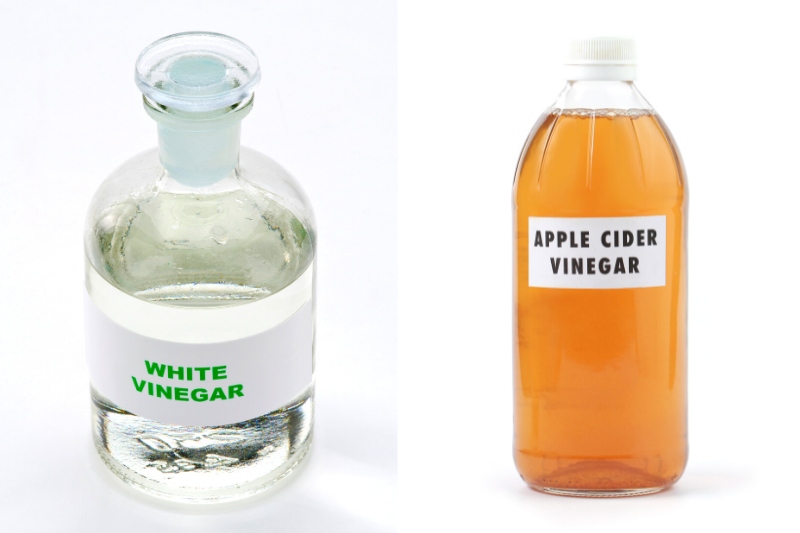 Cleaning with Apple Cider Vinegar vs. White Vinegar
Another win for families: ACV is a gentle hero for kids’ snacks and garden salads. My own kids refused ranch dressing made with white vinegar because it tasted too sharp—but when I used ACV, they gobbled it up. That little swap turned a battle into a victory, and it cost me nothing extra since I already had ACV for my morning tonic. In communities, this substitution empowers people to reduce food waste—instead of tossing that half-empty bottle of white vinegar, use it for cleaning and rely on ACV for cooking until you restock. Small shifts like this make home life less stressful and more resourceful.
Let’s wrap it up with a positive truth: apple cider vinegar is not a perfect universal stand-in for white vinegar, but it’s a remarkably versatile one that enriches many everyday scenarios. Whether you’re dressing a salad, polishing your kitchen faucet, or wrangling a stubborn stain on a rug, ACV can step in gracefully—sometimes even improving the outcome with its fruity notes and probiotic potential. The key is knowing when to lean into its differences and when to hold the line with the original. So next time you reach for that white vinegar bottle and find it empty, don’t panic—grab the ACV, give it a sniff, and embrace the happy accident. Your taste buds, your wallet, and your clean home will thank you.
