Can You Replace Vegetable Oil With Olive Oil

Welcome to the deliciously simple world of kitchen swaps, where a single ingredient change can transform your cooking, your health, and your pantry game. You’ve probably stood...
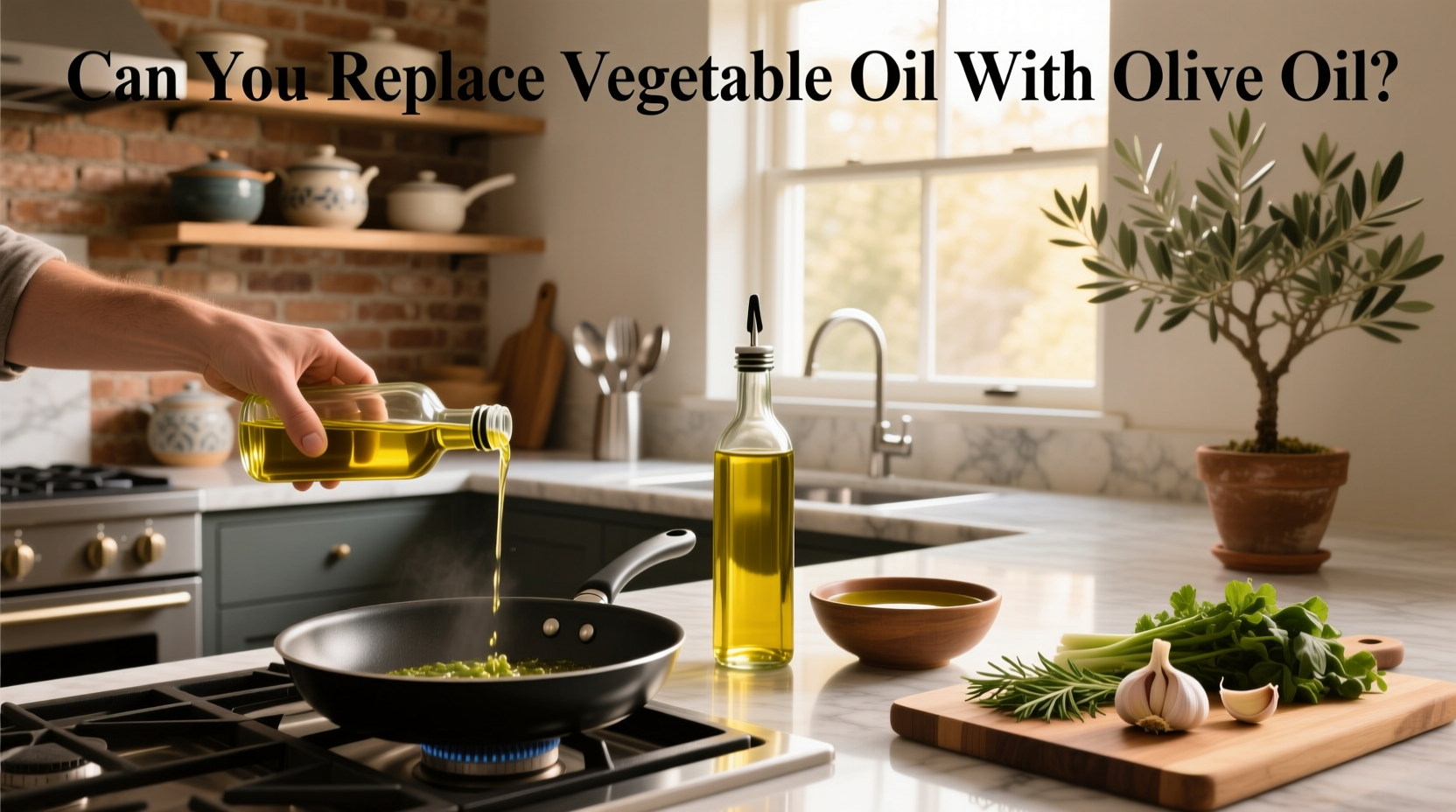
Welcome to the deliciously simple world of kitchen swaps, where a single ingredient change can transform your cooking, your health, and your pantry game. You’ve probably stood in front of that bottle of vegetable oil, then glanced at the golden-green bottle of olive oil, and wondered: Can I just pour this instead? The answer is a resounding, flavor-packed yes—and discovering how to do it is not only helpful but also incredibly fun. This isn’t about rigid rules; it’s about unlocking a pantry staple’s full potential, adding a touch of Mediterranean magic to your everyday meals, and often making your dishes healthier and tastier in the process. Let’s dive into why this swap is a game-changer.
The primary purpose of this substitution is to upgrade your cooking oil from a neutral workhorse to a flavorful powerhouse. Vegetable oil is typically a blend of highly processed, neutral-tasting oils (like soybean or canola) designed to be invisible in your food. Olive oil, especially extra-virgin, brings a rich, fruity, or even peppery personality. This means that in many recipes, swapping them doesn’t just work—it elevates the final dish. Beyond taste, the advantages are significant: olive oil is packed with heart-healthy monounsaturated fats and antioxidants, unlike the often less stable, more inflammatory polyunsaturated fats found in typical vegetable oils. You’re not just swapping ingredients; you’re swapping your cooking’s nutritional profile for the better.
Now, let’s get creative with examples. Imagine making a simple batch of roasted vegetables. Your old recipe might call for vegetable oil, but a generous drizzle of olive oil transforms those carrots and broccoli into caramelized, herb‑kissed gems. The same goes for vinaigrettes—vegetable oil makes a bland dressing, while olive oil creates the star of your salad. For sautéing aromatics like garlic and onions, olive oil is a dream, infusing the base of your soup or pasta sauce with extra depth. Even in pancakes or quick breads, replacing vegetable oil with a mild or light olive oil works beautifully, adding a subtle, buttery richness that’s hard to resist. The one creative twist? Try using olive oil in brownies for a fudgy, sophisticated texture that your guests will never guess came from a bottle of oil.
Must Read
Of course, the devil is in the details, and here’s your practical advice. Don’t use your fanciest extra-virgin olive oil for high-heat frying, like deep-frying chicken or french fries. That expensive oil’s delicate smoke point (around 375°F) can be reached quickly, creating unwanted bitter flavors and harmful compounds. Instead, choose a light or refined olive oil, which has a higher smoke point and a neutral taste, perfect for searing and frying. For roasting at 400°F or below, extra-virgin is fine; for blistering heat (450°F+), stick with light olive oil or another high-heat oil. Another tip: when making a recipe that calls for 1/2 cup of vegetable oil, you can swap it 1:1 with olive oil. If you’re worried about flavor overpowering a delicate dish (like a vanilla cake), use a mild, buttery olive oil or combine it with a neutral oil.
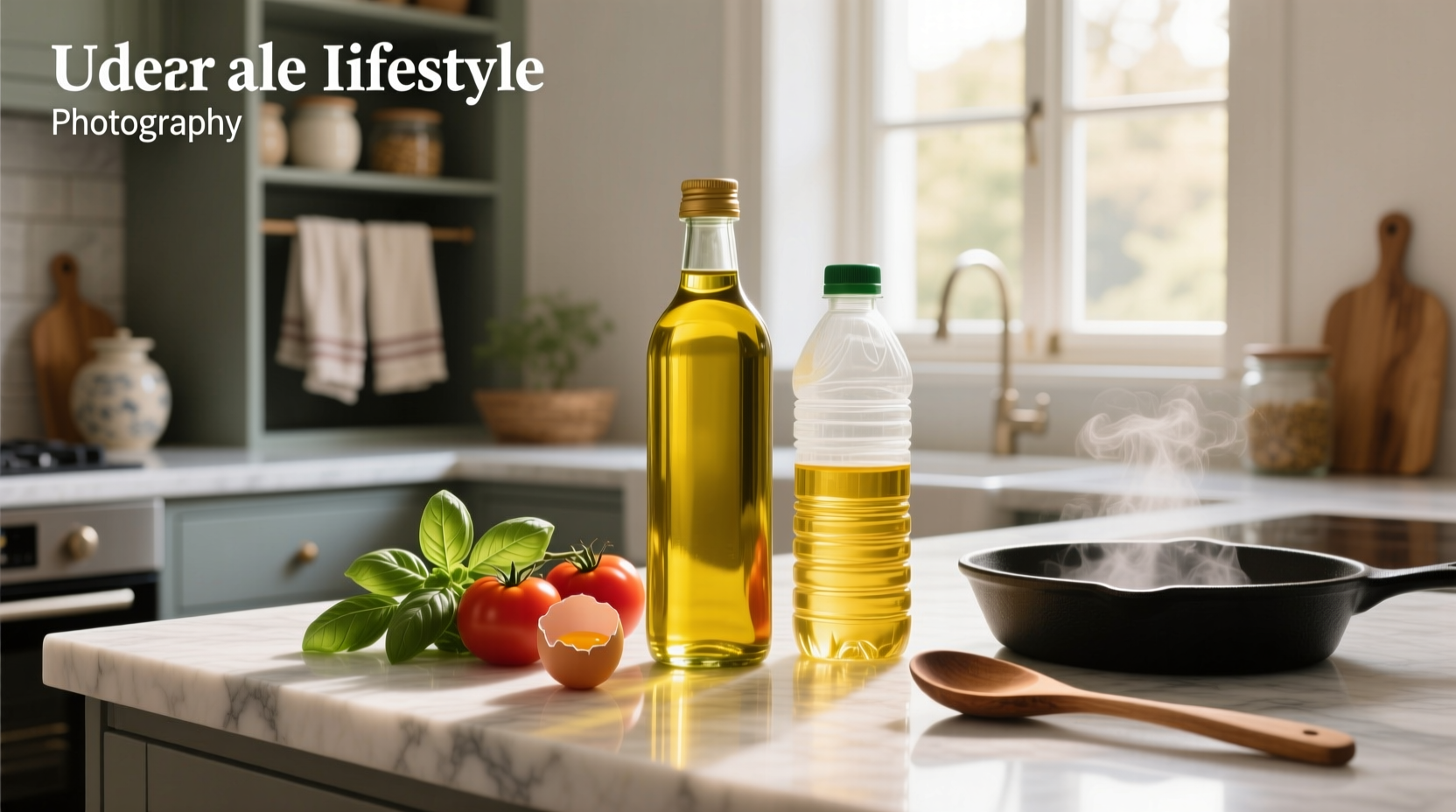 How to Replace Vegetable Oil with Extra Virgin Olive Oil
Here’s a cheat sheet for common swaps. For baking (cookies, muffins, cakes): use a light or "pure" olive oil for a subtle taste, or extra-virgin if you want a fruity note (especially good in chocolate or citrus baking). For stir-frying: reach for light olive oil to handle the high heat without smoking. For dips and marinades: always go with your best extra-virgin—this is where its flavor shines. For grilling or pan-frying steaks or fish: a light olive oil is perfect for the sear, while extra-virgin can be drizzled after cooking for finish. One crucial rule: never use olive oil for recipes requiring 350°F or lower heat if you want to keep its delicate compounds intact; but for that temperature, it’s actually ideal.
Let’s address the elephant in the room: cost. High-quality extra-virgin olive oil costs more than a jug of generic vegetable oil. However, you don’t need the most expensive bottle for every use. Save your artisanal, single‑origin oil for dipping bread and finishing dishes, and buy a large, fairly priced bottle of "light" or "pure" olive oil for everyday cooking. You’ll find that a little olive oil goes a long way because of its strong flavor, so you may actually use less over time. Plus, the health benefits and taste improvement make it a worthy investment in your cooking and well-being.
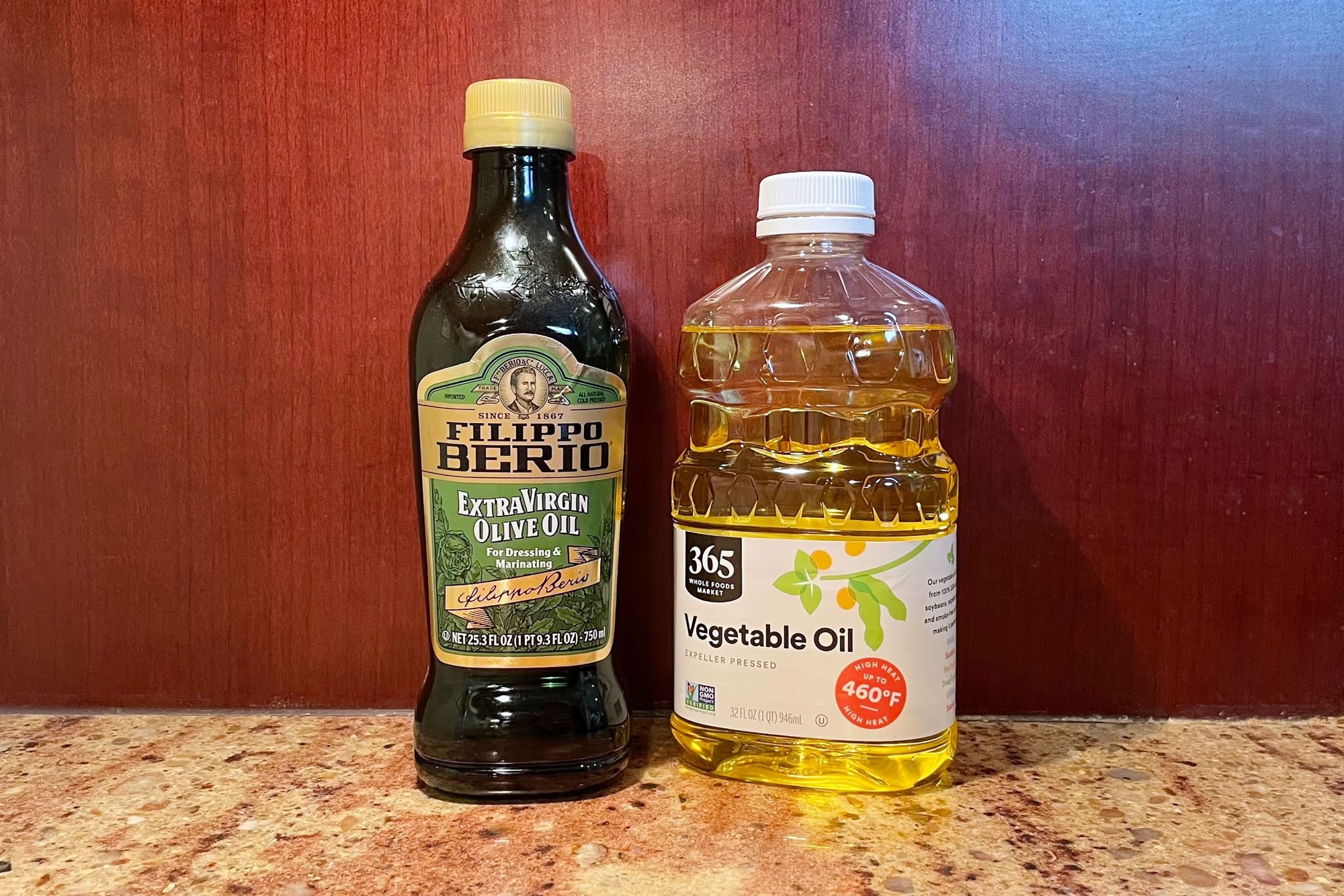 Vegetable Oil Substitute
The final, most crucial tip is this: taste as you go. Olive oil is not a silent partner; it wants to be noticed. When you swap it into a recipe, take a moment to appreciate how it changes the flavor of your sautéing onions or the texture of your cake. If a recipe calls for vegetable oil and you’re unsure, start by replacing half the amount with olive oil and see if you like the result. You might discover that your favorite store‑bought cookie recipe comes alive with that subtle olive oil tang, or that your roasted potatoes develop a crispier, more flavorful crust. Embrace the experimentation—it’s the tastiest way to learn.
So, go ahead—reach for that olive oil bottle with confidence. Whether you’re drizzling it over a salad, brushing it onto bread, or whisking it into a cake batter, you’re making a conscious choice for better flavor and better health. The kitchen is your playground, and this simple swap is a golden ticket to more delicious, more vibrant cooking. Say goodbye to the forgettable neutrality of vegetable oil and hello to the sunny, robust world of olive oil. Your taste buds—and your heart—will thank you.
