Can You Mix Vinegar And Alcohol

Welcome to the wonderfully fizzy and fragrant world of household mixing! If you’ve ever stared at a shelf full of cleaning products and wondered if you could simplify your lif...
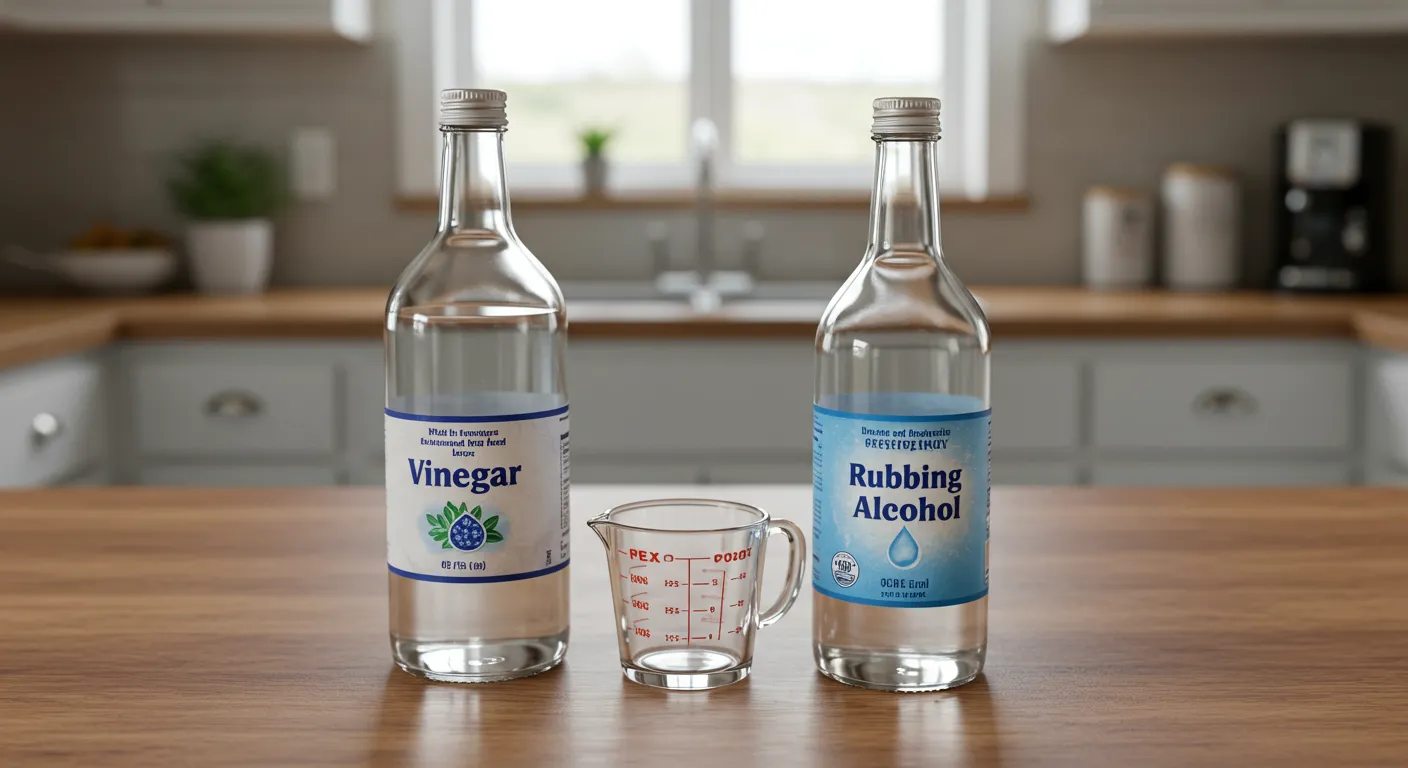
Welcome to the wonderfully fizzy and fragrant world of household mixing! If you’ve ever stared at a shelf full of cleaning products and wondered if you could simplify your life (and your budget) by combining two common liquids, you’re in the right place. Today, we’re tackling a question that sparks curiosity in every DIY enthusiast, home brewer, and science-minded cleaner: Can you mix vinegar and alcohol? The short answer is a resounding yes, and the results are surprisingly useful, fun, and safe when handled correctly. This dynamic duo isn’t just about making a science project—it’s about unlocking a powerful, non-toxic cleaning solution, boosting your kitchen creativity, and even preserving your favorite flowers. The advantages are clear: you get the grease-cutting power of vinegar with the quick-drying, streak-free magic of alcohol, all without harsh chemicals. Let’s dive into why this mixture deserves a spot in your everyday toolkit.
First, let’s get the safety basics straight—because knowledge is the best ingredient. Vinegar (typically a 5% acetic acid solution) and rubbing alcohol (usually 70% or 91% isopropyl alcohol, or ethanol in some culinary alcohols) are both safe to mix in a home setting. They don’t create a toxic gas or explode, so you can breathe easy. However, never mix them with bleach or hydrogen peroxide—that’s a chemistry no-no that can create dangerous fumes. Stick to just these two ingredients, plus water. When combined, alcohol helps the mixture evaporate faster than vinegar alone, leaving surfaces mirror-shiny, while vinegar’s acidity cuts through soap scum and hard water stains. The result is a cleaning powerhouse that’s cheap, eco-friendly, and gentle enough for most surfaces (just avoid unsealed stone or waxed wood, where acids can cause damage).
Ready for some creative ideas? Let’s start with glass and mirror cleaning. Mix one part white vinegar with one part 70% isopropyl alcohol in a spray bottle, then add a cup of water. Shake gently (don’t foam it!) and spray on your windows, mirrors, or glass tables. The alcohol dries instantly—no streaks!—while the vinegar dissolves grime. It’s better than store-bought glass cleaners and costs pennies. Another brilliant use: freshening your dishwasher. Pour a half-cup of vinegar into the bottom of an empty dishwasher, then add two tablespoons of rubbing alcohol to the detergent cup. Run a hot cycle. This combo blasts away grease, kills mold spores in rubber seals, and leaves the machine smelling neutral—not like a salad. You can even use it as a homemade disinfectant for countertops (though note: it’s not strong enough to kill all pathogens like bleach, but it’s great for everyday hygiene on cutting boards and sinks).
Must Read
Beyond cleaning, this mixture shines in kitchen and craft projects. Ever tried making your own vanilla extract? Combine alcohol (like vodka or everclear) with vanilla beans, and you’re set—but what about vinegar? Adding a splash of vinegar to alcohol-based extracts can help balance flavors in savory sauces or marinades. For instance, mix a tablespoon of apple cider vinegar with a teaspoon of vodka for a quick deglazer that adds tangy brightness to pan sauces without the harshness of pure alcohol. In flower preservation, a DIY solution of one part vinegar, one part rubbing alcohol, and one part water works as a vase additive. The alcohol kills bacteria, and the vinegar lowers pH, helping cut flowers last days longer—a simple trick that keeps your tulips perky. You can also use it to remove permanent marker from non-porous surfaces: dab the mixture onto a cotton ball, and watch ink dissolve like magic. It’s safer than harsh solvents and smells far less offensive.
Now for practical tips to ensure your success. Always mix in a well-ventilated area, because while the vapors aren’t toxic, they can be strong enough to irritate sensitive noses. Use a glass or plastic spray bottle labeled clearly—never reuse a chemical bottle. Start with small batches: a 1:1:2 ratio (vinegar, alcohol, water) is your baseline. For heavy-duty grease on stovetops, increase the alcohol to 2 parts; for stainless steel appliances, reduce alcohol to half to avoid haze. Test on an inconspicuous spot first, especially if you’re cleaning painted walls, electronics, or delicate fabrics. Also, never heat the mixture—no boiling or microwaving—because alcohol is flammable. Keep it in a cool, dark cabinet, and label it with the date; it stays effective for about a month (though evaporation over time may weaken the alcohol). If you have kids or pets, store it out of reach, as both ingredients can be harmful if ingested in large amounts.
 can you mix rubbing alcohol and vinegar? - Test Food Kitchen
What about the smell? Let’s be honest: straight vinegar smells like a pickle factory, and alcohol has that clinical aura. But mixed together, the aroma is surprisingly neutral—the alcohol helps the vinegar smell “flash off” faster, leaving behind a faint, clean scent. To make it pleasant, add a few drops of essential oil (like lemon, lavender, or tea tree) after mixing. This not only masks the odor but also boosts antibacterial properties. Just avoid adding oils to any mixture you plan to use on food surfaces unless you’re sure they’re food-grade. For a disinfecting spray that smells like a spa, combine 1 cup water, ½ cup vinegar, ½ cup rubbing alcohol, and 15 drops of lemon essential oil. Shake well before each use, and spritz on doorknobs, light switches, and cutting boards. It dries within seconds—perfect for quick cleanups between deep cleans.
Finally, a word on limitations and best uses. Mixing vinegar and alcohol is not a miracle cure for everything. Avoid using it on unsealed natural stone (like marble or granite), where the acid can etch the surface. Don’t use it on waxed furniture, as alcohol dissolves wax, leaving a dull finish. And because alcohol is a solvent, it can damage certain plastics or painted finishes—so always test first. That said, for 99% of daily messes—from greasy countertops and sticky spills to bathroom mirrors and tile grout—this blend outperforms many commercial products. It’s cheap, it’s effective, and it’s kind to the planet because you’re cutting down on single-use plastic bottles. So go ahead, grab your vinegar and alcohol, and shake up your cleaning routine. Your home will gleam, your wallet will smile, and you’ll feel like a kitchen chemist every time you spray. Just remember: never mix with bleach, always label your bottles, and enjoy the sparkle!
