Can You Mix Canola Oil And Vegetable Oil

For anyone who loves to cook, the kitchen is a place of both creativity and efficiency. Having the right ingredients on hand can make all the difference between a rushed, stre...

For anyone who loves to cook, the kitchen is a place of both creativity and efficiency. Having the right ingredients on hand can make all the difference between a rushed, stressful meal and a relaxed, enjoyable one. Oils are a cornerstone of this experience, used for everything from searing a perfect steak to creating a light vinaigrette. Canola oil and vegetable oil are two of the most common pantry staples, often sitting side by side. The question of whether you can mix them is not just a matter of convenience—it’s about understanding how to get the best results from what you already have. The key purpose of mixing these oils is to combine their favorable properties, such as high smoke points and neutral flavors, without harming your dish or your health.
The short, definitive answer is yes: you can mix canola oil and vegetable oil with complete confidence. Both oils are considered neutral oils, meaning they have a very mild flavor that does not overpower other ingredients. This is a primary benefit for everyday cooking, as it allows the natural tastes of your herbs, spices, and main ingredients to shine. For example, when making homemade mayonnaise or a simple stir-fry, using a mixed oil ensures that the final product has a clean, unobtrusive base. It’s a practical way to use up partial bottles without worrying about flavor clashes. The primary purpose of blending them is simply to extend your supply and create a versatile all-purpose cooking oil.
From a technical standpoint, both canola and standard vegetable oils (which are often a blend of soy, corn, or sunflower oils) have high smoke points, typically ranging from 400°F to 450°F (204°C to 232°C). This means they are both excellent for high-heat methods like frying, searing, and deep-frying. If you are preparing crispy french fries or golden-brown chicken cutlets, mixing these oils will not lower the smoke point to a dangerous level. A practical scenario: imagine you have half a bottle of canola oil and a third of a bottle of vegetable oil. Combining them into one container gives you a full, convenient supply for a large batch of fried food, eliminating the need to open a new bottle mid-recipe.
Must Read
Beyond simple mixing, understanding the fat composition of each oil adds another layer of insight. Canola oil is particularly prized for its high content of monounsaturated fats (the heart-healthy kind) and a good ratio of omega-3 to omega-6 fatty acids. Vegetable oil, depending on its specific blend, tends to be higher in polyunsaturated fats. By mixing them, you essentially create a custom blend that balances these profiles. This is especially valuable for everyday sautéing or baking, where you want a more favorable fatty acid profile than using pure vegetable oil alone. For instance, using a 50/50 mix for baking a moist carrot cake or for pan-roasting vegetables can offer a slightly better nutritional balance while still delivering perfect texture and browning.
However, there are simple precautions to keep in mind. First, never store a mixed oil in a clear glass bottle near a heat source or in direct sunlight. Both oils are prone to oxidation, which can cause them to become rancid faster. Instead, use a dark, opaque container or keep the bottle in a cool, dark pantry. Second, while the mix is safe for almost all cooking, avoid using it for very low-temperature emulsions like some raw vinaigrettes where you want a specific, delicate flavor. For example, a high-quality extra-virgin olive oil brings a peppery, fruity note that a neutral blend cannot mimic. Save your mixed oil for general cooking tasks where flavor neutrality is an asset.
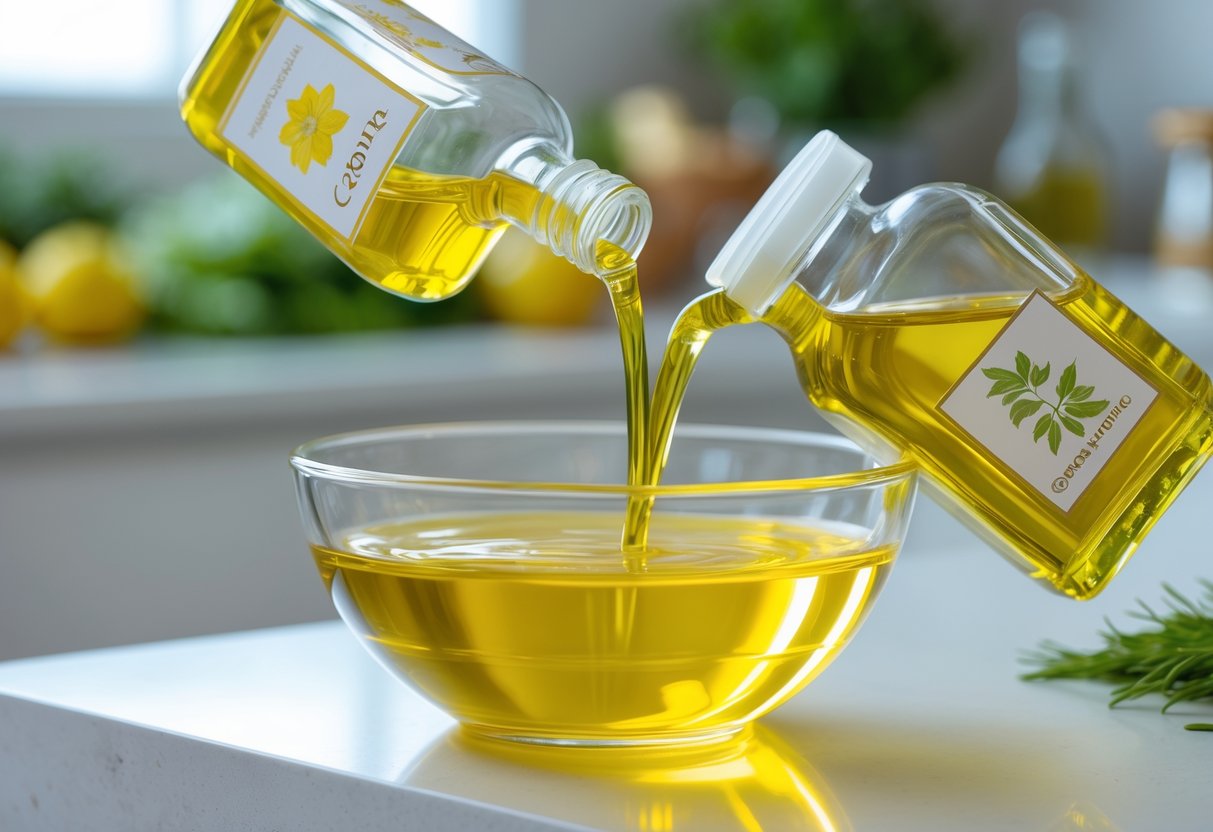 Can You Mix Canola Oil and Vegetable Oil? Tips for Baking & Frying
To explore this concept on your own, start with a simple test. Try making a batch of homemade salad dressing using a 1:1 mix of canola and vegetable oil with vinegar, salt, and pepper. Then, make a second batch using only olive oil. Compare the texture and taste—the mixed oil version will have a much lighter, cleaner finish. Another tip: use your custom blend for stir-frying vegetables over high heat, noting how the oil maintains its integrity without smoking. Finally, if you bread and fry fish or chicken, the blended oil will create a consistently crisp crust without absorbing into the food too much. This allows the natural flavors of the protein and seasoning to remain the stars of the dish.
In conclusion, mixing canola and vegetable oil is a smart, practical choice that frees up pantry space and provides a dependable, all-purpose cooking medium. It combines the neutrality, heat tolerance, and health benefits of both oils, making it ideal for daily use. From high-heat frying to gentle baking, this blend is a versatile workhorse. The next time you see partial bottles of these oils in your cupboard, don’t hesitate to combine them. It is a small, simple act that can streamline your cooking process and help you focus on what truly matters: creating delicious meals with less waste and more ease.
