Can You Mix Avocado Oil And Olive Oil

Let’s be honest—there’s something oddly satisfying about standing in your kitchen, a bottle of golden avocado oil in one hand and a bottle of vibrant green olive oil in the ot...
Let’s be honest—there’s something oddly satisfying about standing in your kitchen, a bottle of golden avocado oil in one hand and a bottle of vibrant green olive oil in the other, wondering if they can join forces. This isn’t a high-stakes chemistry experiment; it’s a practical, enjoyable little kitchen hack that home cooks and health enthusiasts alike have been quietly celebrating. The main purpose of blending these two oils is to marry the best of both worlds: the high smoke point of avocado oil with the rich, peppery flavor of olive oil. The benefit? You get a cooking fat that works for everything from searing a steak to drizzling over a salad, saving you from buying a cabinet full of separate bottles. For instance, someone who loves stir-frying but craves a hint of Mediterranean taste can finally have both without the oil smoking or turning bitter.
Think of this blend as a culinary collaboration rather than a conflict. Avocado oil is the quiet, reliable workhorse—it has a smoke point around 520°F (271°C), which means it can handle high heat without breaking down into harmful compounds. Olive oil, especially extra virgin, brings the party: it’s loaded with antioxidants and that unmistakable, fruity, sometimes grassy flavor that makes simple roasted veggies sing. By mixing them, you’re essentially creating a custom oil that adapts to your cooking style. Common variations include a 50/50 split for all-purpose use, or a 70/30 ratio favoring avocado oil for deep-frying, then a 30/70 ratio for dressings where you want the olive oil to shine. Even professional chefs often keep a blend on hand for vinaigrettes where they want stability without sacrificing taste.
Where this magic really works is in the frying pan. Say you’re craving crispy fried chicken or golden-brown hash browns. Olive oil alone would start smoking and turn acrid before the food was done, while avocado oil might leave your dish tasting a bit neutral. Mix them, and you get a bath that stays stable at high heat while imparting enough of that olive oil aroma to make the final dish feel intentionally flavorful. Try it for roasting vegetables: toss carrots and Brussels sprouts in a 1:1 blend, sprinkle with salt, and roast at 425°F. The avocado oil prevents burning, while the olive oil caramelizes the sugars into a savory-sweet crust that’s hard to beat with a single oil.
Must Read
For cold applications, the blend is equally clever. Whisk together three parts olive oil to one part avocado oil for a salad dressing. The avocado oil mellows out the sometimes sharp punch of extra virgin olive oil, making it more palatable for delicate greens like arugula or butter lettuce. It also helps the dressing stay liquid in the fridge—olive oil alone can solidify and get grainy, but avocado oil’s higher monounsaturated fat content keeps it smooth. A friend of mine, a self-proclaimed “dressing snob,” now swears by this combo for her lemon-herb vinaigrette, claiming it coats the leaves more evenly without that greasy film.
Getting started is as simple as mixing in a jar. No special equipment needed. Just pour your chosen ratio into a clean, airtight container, shake or whisk well, and store it in a cool, dark cupboard. A useful tip: if you’re using extra virgin olive oil, let the blend sit for an hour after mixing to allow the flavors to meld naturally. The oils may separate slightly over time—that’s normal—so give it a quick stir before each use. Another actionable trick is to label your bottle with the ratio (e.g., “50/50 Avocado-Olive Blend”) so you remember what you made, especially if you start experimenting with different proportions for different dishes.
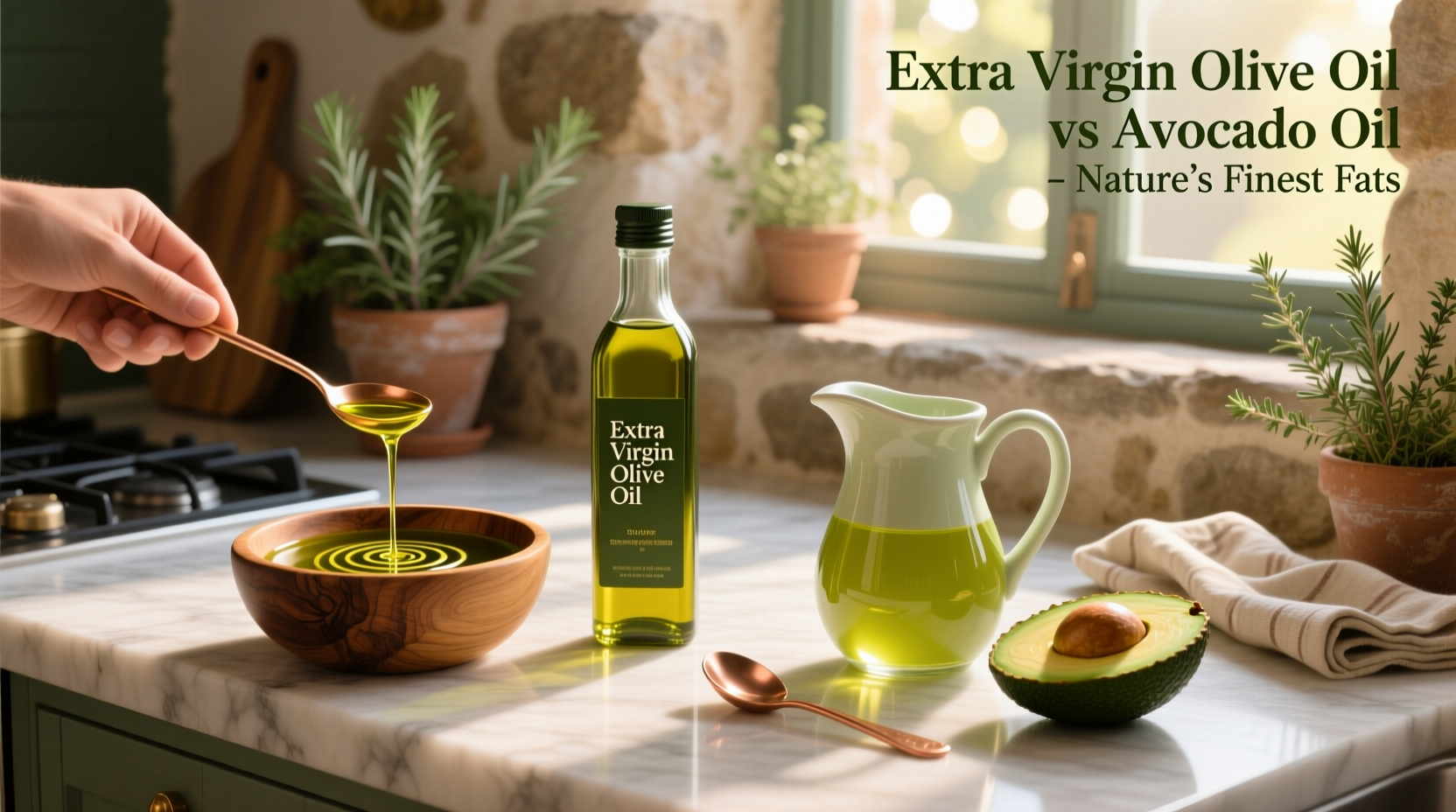 Extra Virgin Olive Oil vs Avocado Oil Guide
Of course, a word about quality matters. For the best results, use good-quality oils: a pure avocado oil (not refined with chemicals) and a fresh extra virgin olive oil with a harvest date on the bottle. The cheaper, highly processed versions can taste flat and may not blend as harmoniously. If you’re on a budget, try a mid-range avocado oil from a grocery store and a decent supermarket olive oil—the blend will still outperform either alone. And don’t overthink it: this is meant to be easy-going, not a scientific paper. You might discover that a 60/40 split works better for your sautéed mushrooms than a 50/50, and that’s part of the fun.
Ultimately, mixing avocado oil and olive oil is less about rules and more about cooking with confidence. It’s a small, flexible upgrade that turns two single-purpose ingredients into a versatile kitchen staple. Whether you’re a busy parent trying to get dinner on the table without smoke alarms, a health-focused eater stretching your good oils further, or just someone who loves a subtle flavor boost, this blend delivers. So next time you’re staring at those two bottles, go ahead—shake them together. Your pan, your palate, and your pantry will thank you.
