Can You Have Pork Medium Rare

Let’s be honest: the first time you hear someone ask for pork medium rare, your brain probably does a double-take. You picture a pale, leathery pork chop from your grandma’s S...
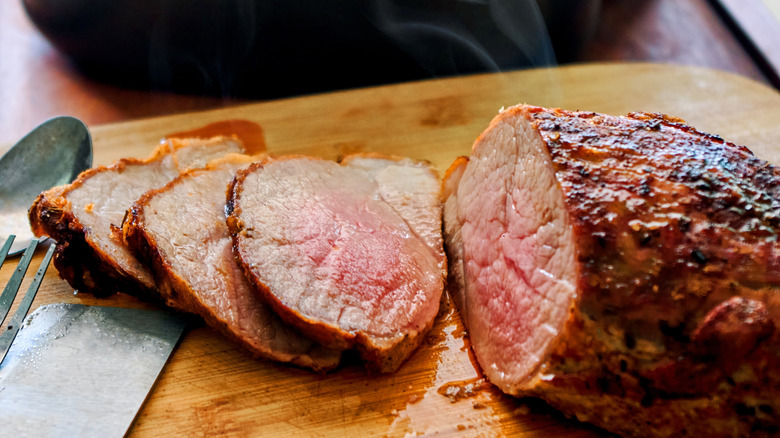
Let’s be honest: the first time you hear someone ask for pork medium rare, your brain probably does a double-take. You picture a pale, leathery pork chop from your grandma’s Sunday dinners—the kind you needed a steak knife and a glass of water to get through. But times have changed, and that dry, gray pork loin is not the law anymore. Yes, you can actually have pork that’s a little pink in the middle, and it’s a total game-changer for weeknight cooking.
Think of it like this: we used to cook chicken until it was practically sandpaper because we were terrified of salmonella. Now, we’ve learned to use a thermometer and enjoy juicy, tender chicken breasts. Pork is on the exact same journey, but with a much more forgiving landing. The old rule was “cook it until it’s dead,” but modern farming and safety guidelines have given us the green light to aim for 145°F—which leaves the meat pink, moist, and delicious.
The Trichinosis Scare of the 1970s
If your mom or dad still insists on pork that’s white all the way through, blame the 1970s. Back then, trichinosis was a real risk in pork, so the USDA suggested cooking it to 160°F—a temperature that guarantees a dry, sad dinner. But here’s the fun part: that risk is practically extinct today. Modern farming, better feed, and freezing techniques have made trichinosis rarer than a four-leaf clover. You have a higher chance of getting food poisoning from a salad bar than from medium-rare pork.
Must Read
Imagine you’re grilling a beautiful thick-cut chop. You pull it off the heat at 145°F, let it rest for three minutes, and slice into it. The center is slightly blush, the texture is like a perfect pork tenderloin—soft, buttery, and full of flavor. Compare that to the traditional 160°F chop, which feels like you’re gnawing on a flip-flop. Which one sounds like a better Tuesday night?
Let’s Talk About the “Pink” Fear
I know, I know—seeing pink on your pork plate can feel like a dare. Your inner voice says, “That’s raw! That’s dangerous!” But here’s a tiny secret: pork can look slightly pink even at a safe temperature, especially if it’s from a younger pig or if the meat was cured. The real safety test isn’t the color; it’s the internal temperature. Get a cheap digital thermometer, and you’ll never have to guess again. Stick it in the thickest part, wait three seconds, and if it reads 145°F, you’re golden—pink or not.
 Pork Cooking Temperature - National Pork Board
Remember that time you ordered “well-done” steak and it came out like a hockey puck? That’s exactly what 160°F pork tastes like. You wouldn’t do that to a beautiful ribeye, so why do it to a lovely pork chop? Pork deserves the same respect as beef: cook it to a juicy, medium-rare finish and watch your dinner guests suddenly become very impressed.
How to Actually Do It Without Panicking
Here’s the easy blueprint: buy a good pork loin or chop (look for ones with nice marbling—fat equals flavor). Season it with salt, pepper, and maybe a little garlic powder. Sear it in a hot pan for a few minutes per side until it’s a beautiful golden brown. Then, pop it in a 375°F oven until the thermometer reads 145°F. Pull it out, let it rest under foil for five minutes (this is crucial for juiciness). Slice it and watch the magic happen.
The first time you try it, you might feel like a rebel. You’ll stare at that pink center and think, “Is this okay?” Trust me, it’s more than okay—it’s the difference between a pork chop that makes you want to order takeout, and one that makes you want to text your friends about your “new recipe.” I did this last weekend, and my husband said, “Why haven’t you been cooking it this way for ten years?” It felt like a little victory.
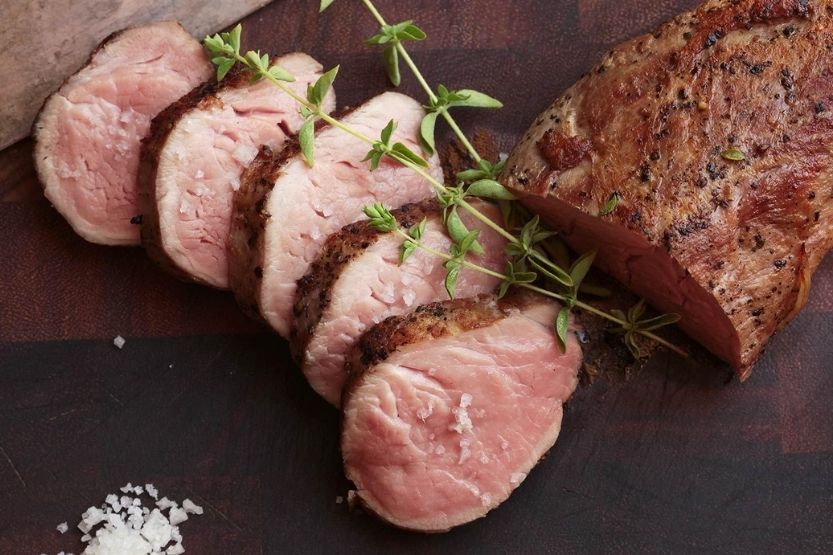 Medium Rare Pork Chop - Is It Safe to Eat?
What About Burgers and Sausages?
Now, a quick reality check: ground pork (like burgers or sausage patties) is a different story. Because grinding mixes exterior bacteria into the center, you still want to cook ground pork to 160°F. But whole cuts—chops, roasts, tenderloin—are safe at 145°F. So feel free to ask your butcher for a thick chop, and tell your mom you’re following the modern USDA guidelines (they updated them in 2011). That usually silences the argument.
Think of it like this: eating pork medium rare is like upgrading from a flip phone to a smartphone. The old way worked, sure, but you were missing out on so much—texture, flavor, and the simple joy of not needing a glass of water to swallow your dinner. So go ahead, give it a try. Your taste buds will thank you, and your pork chops will never be dry again.
And if anyone at the table gives you a side-eye, just smile and offer them a bite. They’ll convert almost instantly. Pork medium rare isn’t dangerous—it’s just common sense that tastes like a celebration. Now, go fire up that pan.
