Can You Get Sick From Undercooked Salmon

There’s something wonderfully satisfying about a perfectly prepared piece of salmon, whether it’s seared with a crispy skin, gently poached, or sliced raw for sushi. This topi...
There’s something wonderfully satisfying about a perfectly prepared piece of salmon, whether it’s seared with a crispy skin, gently poached, or sliced raw for sushi. This topic is enjoyable because it sits right at the intersection of delicious food and practical health knowledge. The main purpose of understanding undercooked salmon is to help you enjoy this versatile fish safely, without unnecessary fear or risk. Whether you’re a home cook trying your hand at a tartare recipe, a sushi lover, or someone who simply prefers their fish on the rare side, knowing the facts brings confidence and peace of mind. It’s the kind of information that lets you make smarter choices at the grocery store, the restaurant, and your own kitchen table.
Let’s get straight to the core question: yes, you can get sick from undercooked salmon, but it’s not a guarantee. The primary risk comes from two unwelcome guests: bacteria like Salmonella and Listeria, and parasites like the tapeworm Diphyllobothrium. These are naturally present in raw or undercooked fish. However, the actual danger depends heavily on how the fish was handled before it reached your plate. For most healthy adults, a small bite of slightly undercooked salmon might cause no issue at all, but for pregnant women, young children, older adults, or anyone with a weakened immune system, the risks are much higher. That’s why understanding the source is your first line of defense.
The biggest difference lies between wild-caught and farmed salmon. Farmed salmon, especially from countries with strict aquaculture standards, is generally considered lower-risk for parasites because it’s fed processed, parasite-free feed. Wild salmon, on the other hand, spends its life eating marine life that can carry parasites. That’s why raw wild salmon—like in sushi or ceviche—must first be frozen to a specific temperature for a certain period (usually -20°C or -4°F for at least 7 days) to kill any potential hitchhikers. Your home freezer might not hit these temperatures reliably, which is a key detail. So, when you’re buying salmon for raw consumption, look for “sushi-grade” or “sashimi-grade,” which indicates it has been commercially flash-frozen for safety.
Must Read
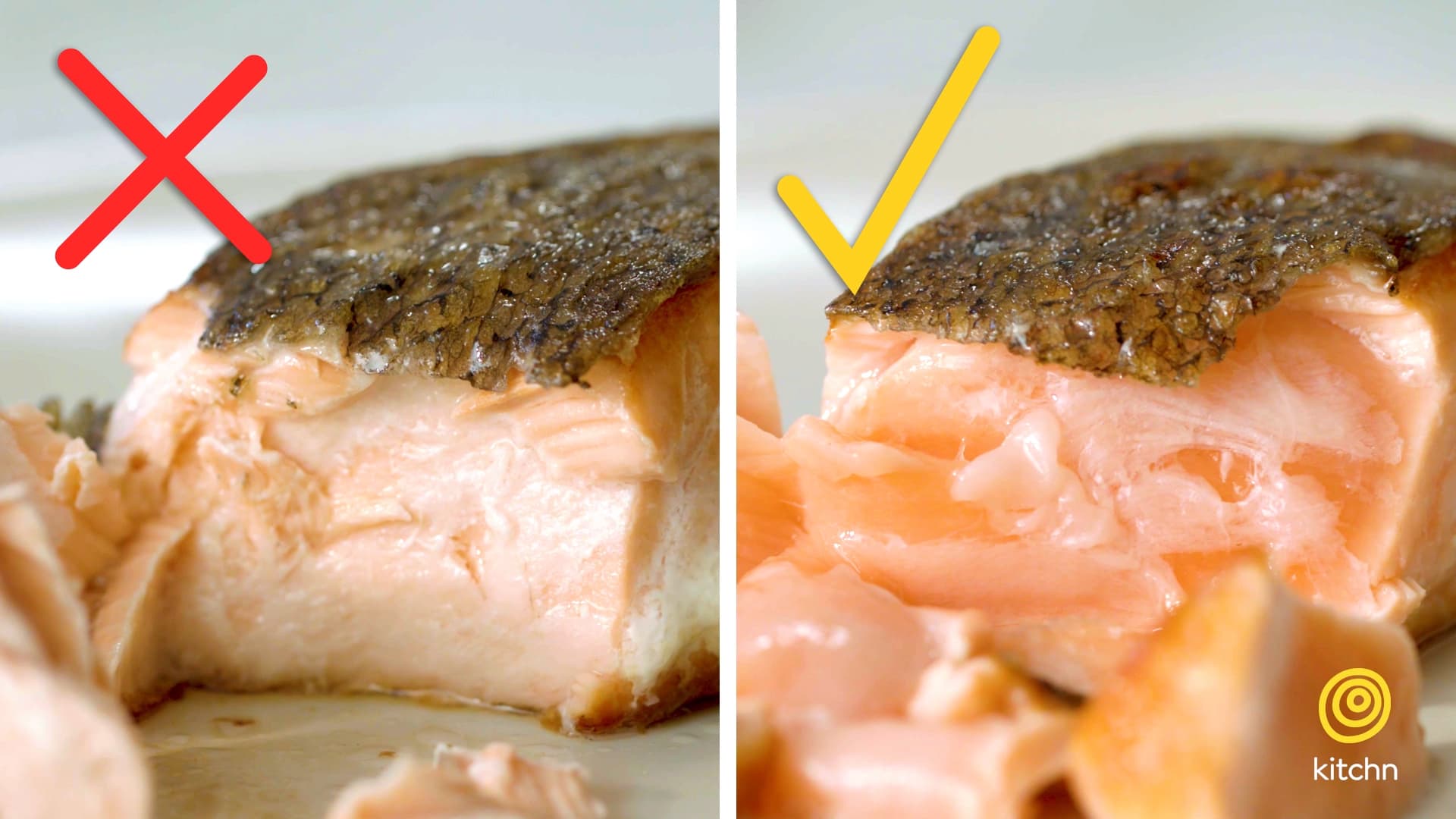
What about cooking it only partway? Many people love salmon that’s still translucent in the center—a common preference in restaurant preparations. The official food safety recommendation from health authorities is to cook salmon to an internal temperature of 145°F (63°C), at which point the flesh is opaque and flakes easily. But if you do choose to eat it slightly undercooked, you are accepting a small but real risk. A practical tip: always buy from a reputable source, check for bright color and a clean ocean smell, and keep the fish refrigerated until you’re ready to cook. If you’re preparing it at home, a digital thermometer is your best friend—it removes all guesswork and lets you aim for, say, 125°F for a medium-rare result, which is safer than a barely-seared piece.
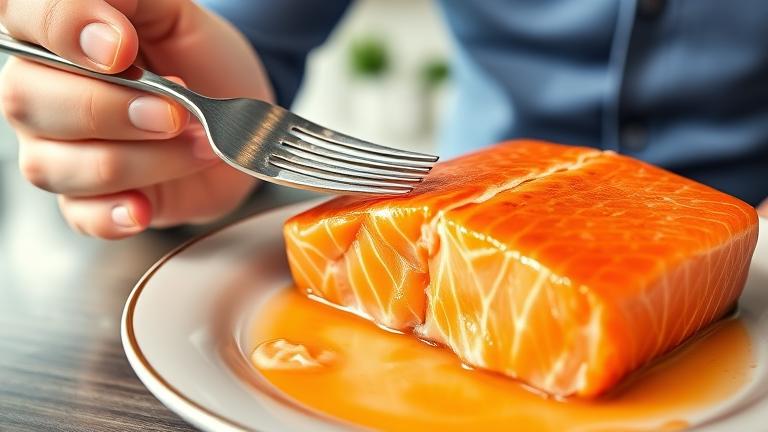 can you get sick from eating undercooked salmon? - Test Food Kitchen
If you’re a fan of raw salmon dishes, don’t panic—you have fantastic, safe options. Sushi-grade salmon from a trusted fishmonger or high-end grocery store has already been frozen to parasite-killing standards. You can also make your own salmon crudo or poke bowls at home using this special-grade fish, ensuring it stays chilled throughout preparation. Another variation is gravlax, a Scandinavian cured salmon that relies on a mix of salt, sugar, and dill to preserve and flavor the fish over several days. The curing process does not kill all potential bacteria, but when done correctly with fresh, high-quality fish, it significantly reduces proliferation, making it a beloved, low-risk way to enjoy raw flavors.
In short, the golden rules are simple: know your source, freeze for raw use, and cook to temperature for safety. If you’re serving guests, it’s wise to ask about health conditions and offer a fully cooked option. For your own enjoyment, start with a trusted supplier, keep salmon cold, and trust your senses—fresh salmon doesn’t smell “fishy.” And if you ever feel unsure? Just cook it through. A piece of salmon cooked to a gentle 145°F with a squeeze of lemon and fresh dill is still absolutely delicious—and worry-free. That’s the real win: knowing the facts so you can savor every bite, whether it’s perfectly seared or beautifully raw.
