Can You Freeze Roast Pork After Cooking

There is something deeply satisfying about a perfectly cooked roast pork—the crackling skin, the tender, juicy meat, and the rich, savory aroma that fills the home. For many,...

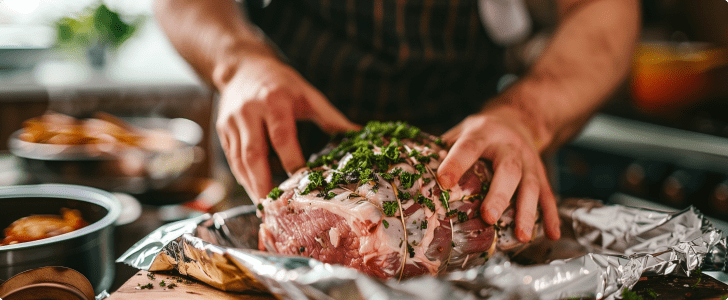
There is something deeply satisfying about a perfectly cooked roast pork—the crackling skin, the tender, juicy meat, and the rich, savory aroma that fills the home. For many, a Sunday roast is more than just a meal; it is a cherished ritual that brings family and friends together around the table. Yet, even the most carefully planned feast often leaves us with generous leftovers. This is where the question arises: Can you freeze roast pork after cooking? The answer is a resounding yes, and doing so can transform your cooking habits, saving time, reducing waste, and ensuring you enjoy that delicious flavor for weeks to come. Understanding the process unlocks a practical, everyday benefit—turning one meal into the foundation for several quick, future dinners.
The primary purpose of freezing cooked roast pork is preservation without compromising quality. When you cook a large joint—say, a succulent pork shoulder or a loin—freezing allows you to capture that peak flavor and texture exactly when it is best. Imagine this: you have a busy weekday evening, and instead of ordering takeout, you simply pull a pre-portioned, frozen slab of your own roast pork from the freezer. In minutes, you can reheat it alongside some roasted vegetables or shred it into a stir-fry. This isn’t just convenience; it’s a strategy for efficient meal planning. By freezing leftovers, you actively reduce food waste—a significant win for both your budget and the environment.
To ensure success, the key is to freeze the pork correctly. The biggest threat to frozen meat is moisture loss and freezer burn, which can turn that juicy roast into dry, unappetizing chunks. The golden rule is to cool the pork rapidly after cooking—within two hours—but not to leave it at room temperature for longer. Once cool, portion the meat into the amounts you will realistically use for a single meal. For example, slice the roast for sandwiches, shred it for tacos, or leave chunks for stews. Then, wrap each portion tightly in plastic wrap or aluminum foil, followed by a layer of freezer-safe zipper bags, squeezing out as much air as possible. This double-layer method prevents ice crystals from forming on the surface, preserving that just-cooked tenderness.
Must Read
Another vital tip is to label everything. It sounds simple, but months later, you will thank yourself. Write the date of freezing and the type of pork—for instance, “Pulled pork shoulder, Nov 14” or “Pork loin slices, Nov 14.” Cooked roast pork keeps its best quality for two to three months in the freezer. Beyond that, it remains safe to eat but may lose some moisture and flavor. For everyday life, this means you can batch-cook a large roast on a weekend, freeze the extras, and enjoy them for quick lunches or dinners throughout the season. Think of it as building your own personal convenience food library, all from a single, delicious source.
When it comes time to thaw and reheat, patience pays off. The gentlest method is to transfer the frozen pork to the refrigerator and let it thaw overnight. This slow process helps the meat reabsorb some moisture, keeping it tender. To reheat, avoid the microwave if you can, as it often causes uneven heating and toughens the meat. Instead, try oven reheating at a low temperature, around 300°F (150°C), with a splash of broth or apple juice added to the dish, covered with foil. This steams the pork back to succulence. For shredded pork, a quick pan-fry with a bit of sauce works beautifully. Never re-freeze thawed cooked pork—this degrades texture and increases food safety risks.
 Freeze & Thaw Bee Sting Cake Properly - Here's How!
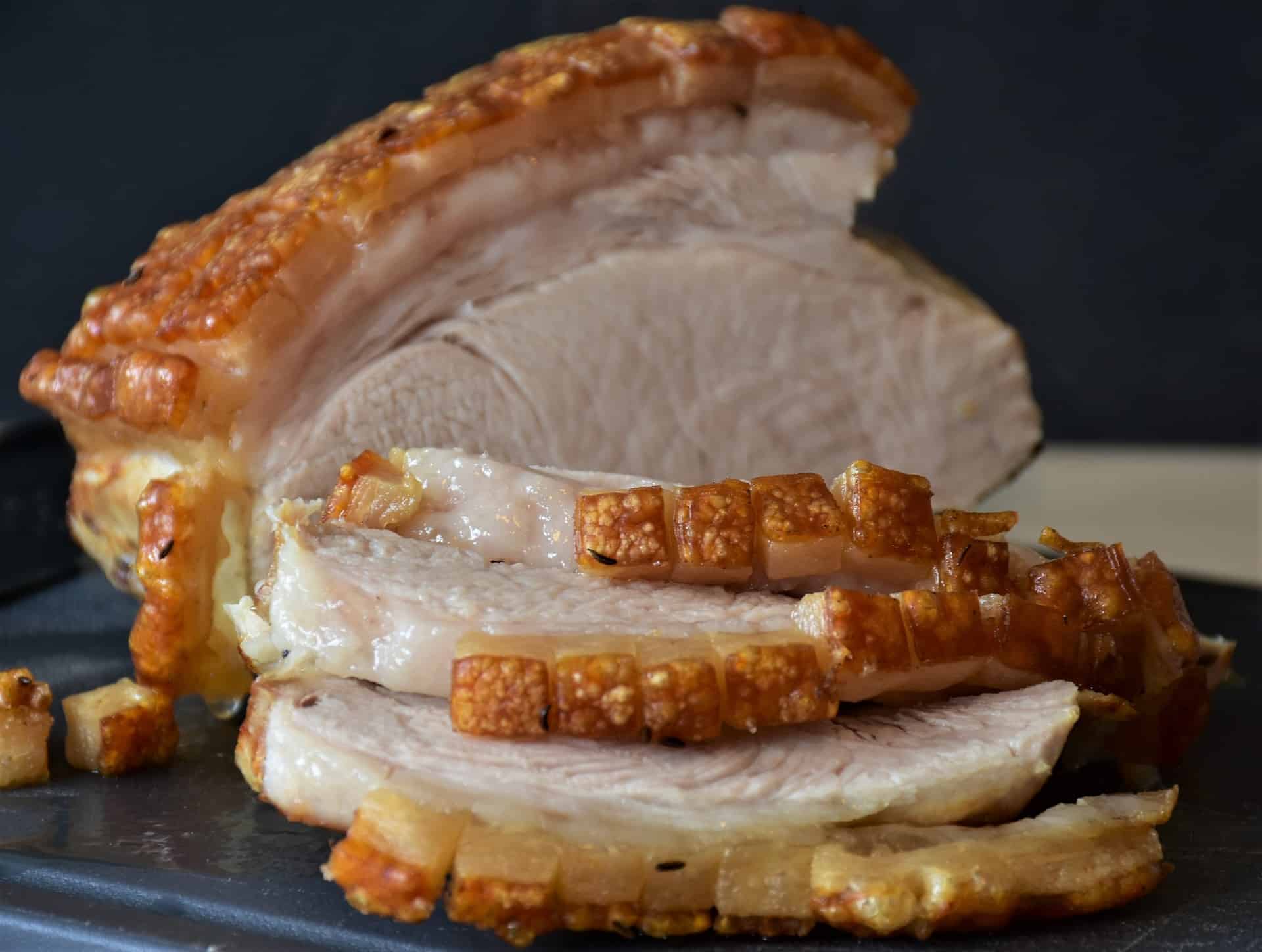
There are, however, a few scenarios where freezing is not ideal. If the roast pork has been sitting out for more than two hours, or if it contains a creamy sauce or stuffing, freezing may affect the texture or safety. Additionally, crackling—that prized crispy skin—will inevitably become soggy after freezing and reheating. For best results, strip off the crackling and store it separately in an airtight container at room temperature for up to a day, or simply enjoy it with the initial meal. The rest of the meat, however, is perfectly freeze-friendly. By understanding these nuances, you can confidently turn every roast into a resource, not a leftover.
In summary, freezing roast pork after cooking is a simple, powerful technique that extends the joy of a great meal. It serves the dual purpose of minimizing waste and simplifying your future cooking. By cooling quickly, portioning wisely, wrapping airtight, and reheating gently, you can replicate the satisfaction of your original roast again and again. So next time you make a pork roast, cook a little extra. Freeze it with care, and you will have a reserve of comfort and flavor ready to rescue any busy weeknight. Give it a try—your future self, with a full fridge and a happy appetite, will be grateful.