Can You Freeze Havarti Cheese

Havarti cheese, with its creamy, buttery richness and subtle tang, is a beloved staple in many kitchens. Whether you enjoy it as a quick snack on a cracker, melted into a gooe...
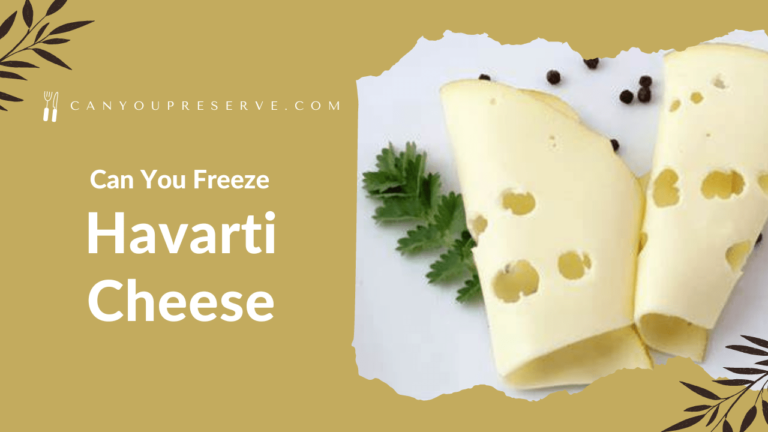
Havarti cheese, with its creamy, buttery richness and subtle tang, is a beloved staple in many kitchens. Whether you enjoy it as a quick snack on a cracker, melted into a gooey grilled cheese sandwich, or paired with fruit for a sophisticated cheese board, its versatility is unmatched. The challenge, however, is that cheese can be a perishable luxury. Buying in bulk often feels risky when you worry about it spoiling before you can finish it. This is where the question of freezing arises—can you preserve that perfect block of Havarti without sacrificing its delightful character? Understanding how to freeze Havarti effectively is not just about storage; it’s about extending the enjoyment of a high-quality product while reducing food waste and saving money. For the everyday cook, knowing this skill means always having a slice of something special on hand for a spontaneous snack or an impromptu recipe.
The key purpose of freezing Havarti is long-term preservation. Unlike hard, aged cheeses like Parmesan or Cheddar, Havarti is a semi-soft cheese with a high moisture content. This moisture is what gives it its supple, melt-in-your-mouth texture, but it also makes it vulnerable to spoilage and texture changes when frozen incorrectly. Freezing essentially pauses the aging process and microbial activity, allowing you to keep a block or slices for several months. The primary benefit for everyday life is convenience: you can stock up during sales, save leftover portions from a party, or ensure you always have a backup for mac and cheese or a creamy pasta sauce. While freezing is not ideal for serving Havarti as a fresh table cheese, it is an excellent solution for cooking and melting, where textural changes are less noticeable.
To understand the process, it helps to consider a real-world scenario. Imagine you host a wine-and-cheese evening and buy an entire 1-pound block of Havarti. After the party, you have a half-block left. You know you won’t eat it all in the next two weeks. Instead of watching it dry out or mold, you can freeze it. Another common example is the home cook who loves using Havarti in casseroles, quesadillas, or soups. By freezing pre-sliced or shredded Havarti, you can portion it out precisely for recipes. This means you can enjoy that creamy melt in a bowl of potato soup or a baked pasta dish months later, without needing a last-minute trip to the store. The scenario is simple: freezing transforms a perishable indulgence into a reliable kitchen ingredient.
Must Read
However, you must approach freezing Havarti with a few key strategies to avoid a disappointing result. The biggest risk is that the high water content will form ice crystals, which rupture the cheese’s delicate protein structure. When thawed, this often results in a crumbly or slightly grainy texture. This is why fresh consumption of frozen-and-thawed Havarti is not recommended for cheese boards. To mitigate this, always freeze the cheese in an airtight environment. Use heavy-duty freezer wrap, vacuum-sealed bags, or a zip-top bag with all air squeezed out. For best results, cut the block into portions you will actually use. For instance, if you only need a cup of shredded Havarti for a recipe, freeze exactly that amount. This prevents you from having to thaw and refreeze the entire block, which would further damage the texture.
When it comes time to thaw, patience is a virtue. The worst thing you can do is microwave the cheese or leave it on the counter to warm quickly. This encourages excess moisture release, making it soggy or sweaty. Instead, transfer the frozen Havarti from the freezer to the refrigerator and let it thaw slowly overnight—or for about 8–12 hours. Once thawed, you may notice some moisture on the surface; simply pat it dry with a paper towel before using. For cooking applications, you can often use the cheese directly from the freezer. Shredded Havarti can be added frozen to sauces or casseroles, where it will melt evenly. Slices can be placed directly onto a sandwich or burger before cooking. This skip-the-thaw method is a fantastic time-saver for busy weeknights.
 Havarti Cheese: Your Versatile Culinary Companion
For readers eager to explore this on their own, here are a few simple tips. First, always label your cheese with the date of freezing—frozen Havarti is best used within three to six months for optimal flavor. Second, consider freezing Havarti in different forms. Grate a portion first; this makes it ideal for melting into sauces, dips, or pizza toppings without any knife work. Slice another portion into uniform pieces for quick sandwiches. Finally, do not freeze Havarti that is already aged or has a strong smell; freezing cannot improve a cheese that is past its prime, and will only amplify off-flavors. By preparing it correctly, you create a small “Havarti library” in your freezer ready for any culinary need.
In conclusion, while freezing Havarti cheese does alter its texture, it is a perfectly viable option for those who want to reduce waste and maintain convenience. The thrill of pulling out a block of creamy, buttery goodness months after a grocery visit is a small but satisfying victory. You will not achieve the exact same experience as fresh Havarti for a cheese plate, but you will unlock its culinary magic in cooked dishes. So, the next time you see a sale on Havarti, do not hesitate. Buy two or three blocks, prepare them properly, and freeze them. You will be rewarded with the flexibility to enjoy this delightful cheese in your everyday cooking, proving that some pleasures are worth preserving.