Can You Eat Vacuum Packed Smoked Salmon After Use By Date

For many, a package of vacuum-sealed smoked salmon represents a perfectly indulgent convenience. Whether it’s the star of a leisurely weekend brunch, a quick addition to a cre...
For many, a package of vacuum-sealed smoked salmon represents a perfectly indulgent convenience. Whether it’s the star of a leisurely weekend brunch, a quick addition to a creamy pasta, or a protein-rich topping for a simple salad, its silky texture and smoky flavor elevate any meal with minimal effort. This pantry staple offers a unique blend of luxury and practicality, allowing busy professionals and home cooks alike to enjoy a gourmet ingredient without the need for elaborate preparation. Its long refrigerated shelf life, courtesy of the vacuum packing, is precisely what makes it so reliable—until you spot that 'use by' date on the label.
The core question, then, is a matter of food safety versus food waste. Vacuum packing removes oxygen, which dramatically slows the growth of spoilage bacteria and mold. However, it does not stop the growth of Listeria monocytogenes, a dangerous bacterium that thrives in cold, oxygen-free environments. This is the primary safety concern. While other bacteria may cause visible spoilage—sliminess, a sour smell, or discoloration—Listeria often leaves no sensory clues. For this reason, health authorities, including the FDA, recommend that high-risk individuals—pregnant women, the elderly, and those with weakened immune systems—never consume smoked salmon past its 'use by' date.
For a generally healthy person, the situation is more nuanced. A good example is a friend who found a forgotten pack in the back of the fridge, three days past its date. The fish still looked firm, had a pleasant, briny smell, and showed no sticky residue. In such a case, the risk is lower, but it is never zero. The 'use by' date is the manufacturer’s guarantee of peak quality, not necessarily a toxin alarm. However, because smoked salmon is an uncooked product (cold-smoked) or only lightly heat-treated (hot-smoked), it has not been sterilized. This makes it far riskier than, say, a hard cheese or a jar of pickles, which have natural barriers against pathogens.
Must Read
To make a safe decision, treat the 'use by' date as a firm boundary for opened packages and a gentler guideline for unopened ones. Imagine this scenario: you have an unopened pack that is two days overdue, but the fridge is reliably cold (below 40°F or 4°C). You open it, and the fish smells fresh, the flesh is firm, and there are no beads of sour-smelling liquid. In this narrow window—typically 3-5 days past the date—a healthy adult might safely eat it, provided they cook it thoroughly. The heat from a hot skillet or a 375°F oven will kill any Listeria, turning a risky ingredient into a perfectly safe addition to scrambled eggs, quiche, or a hot dip.
The safest, most practical tip is this: cook it, don't risk it. If you are tempted to eat raw smoked salmon after its date, always perform a rigorous sensory check. Look for a uniform color—dull, patchy, or grayish tones are a red flag. Smell for a sharp, ammonia-like odor, which is a definitive sign of spoilage. Feel for a slimy or tacky film on the surface. If any of these are present, discard the package immediately. Even if it passes all tests, consider that the texture and delicate, smoky flavor will have begun to degrade. The experience may be a shadow of what it would have been a few days earlier.
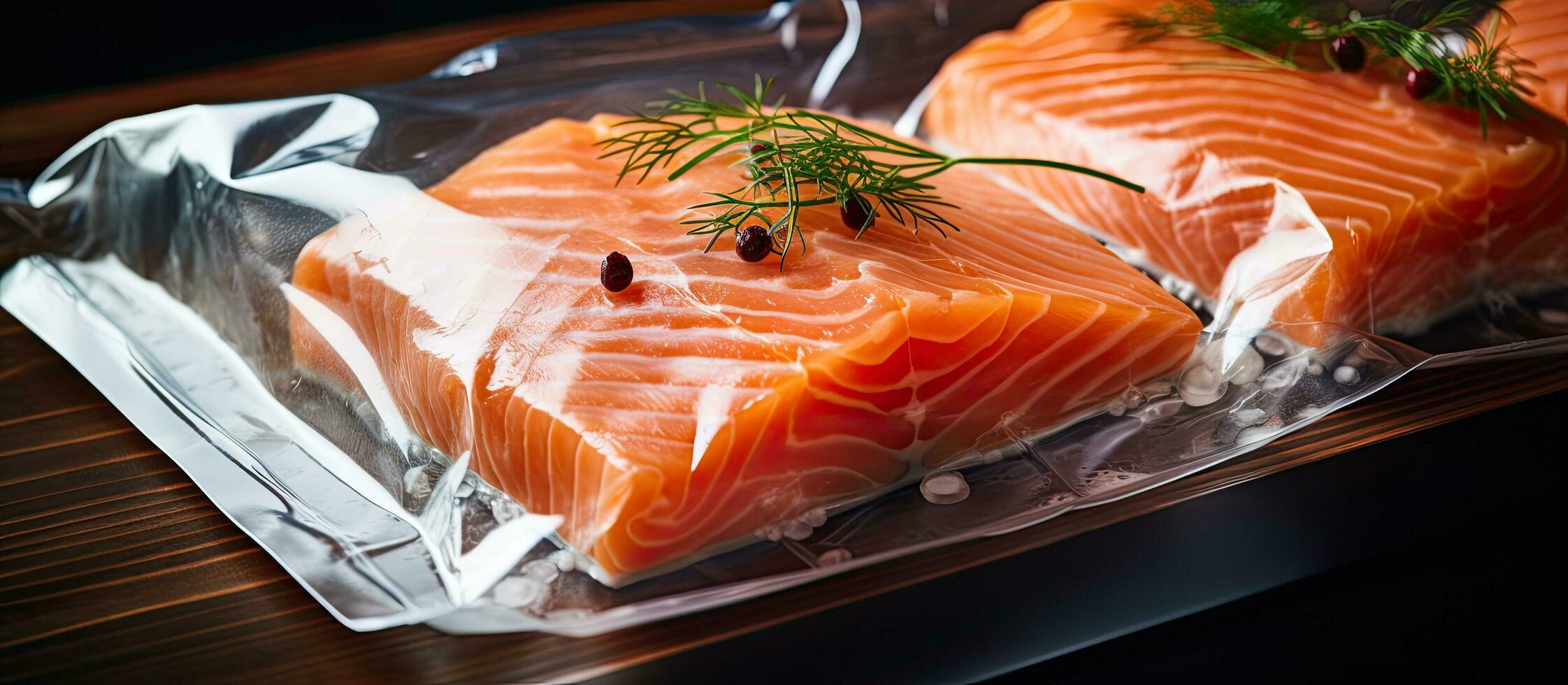 Vacuum Packed Salmon Past Use By Date | Detroit Chinatown
For those who want to avoid this dilemma entirely, build smarter habits around storage. When you bring home vacuum-packed salmon, put it in the coldest part of the fridge—near the back, not in the door where temperatures fluctuate. If you know you won't use it within a few days of purchase, freeze it immediately. Vacuum-packed salmon freezes beautifully for up to three months. This transforms the 'use by' date from a source of anxiety into a simple planning tool. You can thaw a pack overnight in the refrigerator, and it will be at its absolute best—and safest—when you are ready to serve it cold on a bagel or incorporate it into a hot dish.
In summary, while the temptation to salvage a pricey ingredient is understandable, your health is worth more than the cost of a new package. The core lesson is one of context: the immune status of the eater, the integrity of the packaging, the condition of the fish, and your willingness to cook it are all part of the decision. For those who are young and healthy, a late-use, well-preserved pack can be turned into a safe, hot meal. For anyone vulnerable, or when the slightest doubt exists, the only responsible choice is to discard it. Embracing this nuance allows you to continue enjoying the remarkable convenience of smoked salmon while respecting the powerful safety lines that protect your well-being.

