Can You Eat The Skin Of An Eggplant

There’s a quiet satisfaction in transforming a glossy, deep-purple eggplant into a silky, savory centerpiece of a meal. Whether it’s roasted until creamy, fried into crispy ch...
There’s a quiet satisfaction in transforming a glossy, deep-purple eggplant into a silky, savory centerpiece of a meal. Whether it’s roasted until creamy, fried into crispy chips, or layered into a rich parmigiana, the eggplant is a culinary chameleon. But as you slice into its beautiful skin, a common question arises: can you eat the skin of an eggplant? For many home cooks, the answer unlocks a world of texture, nutrition, and convenience, turning a simple ingredient into a more resilient and flavorful staple for everyday life. The skin is not merely a wrapper; it’s a key player in the eggplant’s structure and taste.
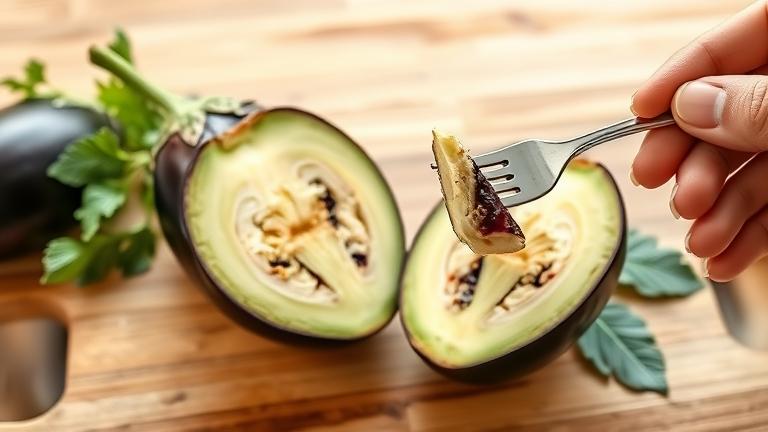
The primary purpose of an eggplant’s skin is to act as a natural protector, and it brings that same protective quality into your cooking. When left on, the skin helps the flesh hold its shape during long, slow cooking methods like roasting or braising, preventing the soft interior from turning into a complete mush. Imagine a warming ratatouille or a roasted eggplant half: the skin provides a natural bowl that cradles the tender insides, making serving and eating easier. This structural benefit is a game-changer for weekday meals, as it saves you the fuss of peeling, keeps the dish intact, and reduces food waste—a simple, everyday win.
Beyond practicality, the skin offers a wealth of nutritional benefits that you’d miss by removing it. The deep purple hue comes from anthocyanins, specifically nasunin, a powerful antioxidant that has been linked to protecting brain cell membranes from damage. The skin is also packed with fiber, which aids digestion and helps you feel fuller longer. For example, if you’re preparing a hearty baba ghanoush or a quick stir-fry, leaving the skin on means you’re getting more vitamins and minerals without any extra effort. This is a small habit that can significantly boost the health profile of your meals.
Must Read
However, the texture and taste of the skin are not for everyone, especially if you’re not careful with preparation. Older or larger eggplants often have a tougher, thicker skin that can be bitter and chewy, which can ruin an otherwise delicate dish. Imagine biting into a tender slice of grilled eggplant only to encounter a stringy, rubbery exterior. That’s where technique comes in. For smaller, younger eggplants—like the slender Japanese or Italian varieties—the skin is thin, tender, and almost sweet, making it a delight to eat raw or lightly cooked. The key is to know your eggplant: choose fresh, firm specimens with glossy, unwrinkled skin for the best eating experience.
If you’re eager to explore eggplant with the skin on, start with these simple tips. First, salting the eggplant pre-cooking is your secret weapon. Slice the eggplant, sprinkle the cut sides generously with salt, and let them sit for 20–30 minutes. This draws out excess moisture and any potential bitterness from the skin, while also softening its texture. Rinse and pat dry before cooking. Second, consider scoring the skin in a crosshatch pattern before roasting or grilling. This allows heat and flavors to penetrate more evenly and makes the final dish easier to cut. For example, a miso-glazed eggplant with scored skin becomes a sticky, caramelized masterpiece that everyone will enjoy.
 Can You Eat Eggplant Skin? Here's Why You Should
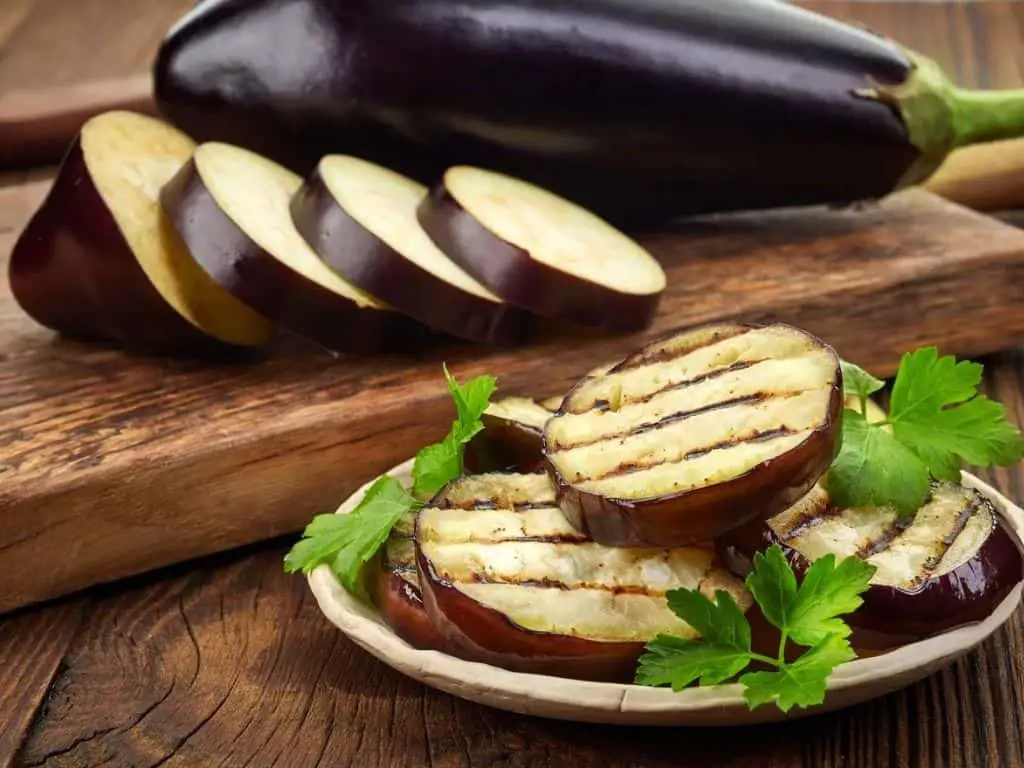
Finally, adapt your cooking method to match the skin’s character. High-heat methods like grilling, broiling, or roasting are ideal because they char and soften the skin, adding a smoky complexity. For a quick weeknight side, try slicing a small eggplant into rounds, brushing them with olive oil and a pinch of salt, and roasting them at 425°F until golden—the skin will be crisp on the outside and tender within. Alternatively, if you’re making a creamy dip like baba ghanoush, roast the whole eggplant until the skin is blackened and blistered, then scoop out the smoky flesh—the skin itself becomes too tough to eat, but its flavor infuses the dish. In short, eating the skin is about balance: embrace it for young eggplants and high-heat cooking, and peel it for older specimens or delicate sauces.
In everyday life, making the choice to eat eggplant skin is a small but powerful act. It simplifies your prep, enhances nutrition, and deepens flavor, all while respecting the whole ingredient. Next time you pick up a shiny purple eggplant, don’t reach for the peeler. Instead, embrace its natural armor—you might just discover a new favorite way to enjoy this versatile vegetable, from a crispy stir-fry to a luscious roasted dinner. Your kitchen, your health, and your taste buds will thank you.