Can You Eat The Eggplant Skin

There’s something deeply satisfying about a dish that’s both simple and a little bit rebellious. And few kitchen questions spark such a friendly, practical debate as this one:...
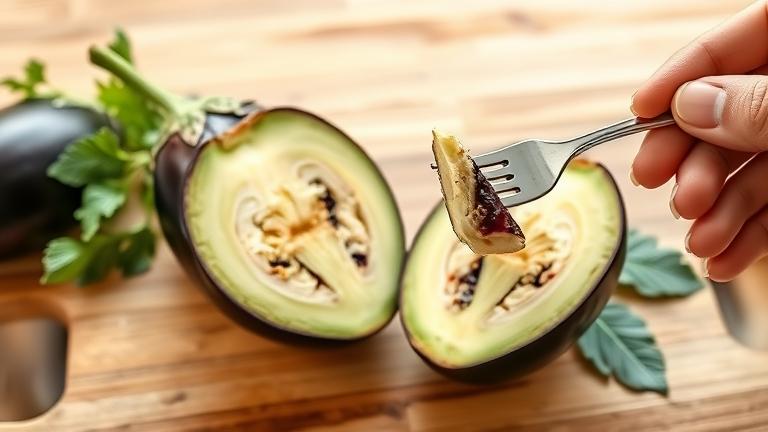
There’s something deeply satisfying about a dish that’s both simple and a little bit rebellious. And few kitchen questions spark such a friendly, practical debate as this one: Can you actually eat the eggplant skin? It’s the kind of topic that makes cooking feel like a gentle adventure, because the answer isn’t a simple yes or no—it’s usually yes, and here’s how to make it delicious. This little piece of knowledge is a gift to anyone who wants to save time, reduce food waste, or just enjoy a meal with a bit more texture and color. Whether you’re a busy parent trying to prep dinner in fifteen minutes or a curious home cook exploring new flavors, understanding eggplant skin is a small win that pays off in every bite.
The main purpose of this article is to clear up the confusion and give you the confidence to leave that shiny purple skin on your plate. The benefits are real: keeping the skin means you retain valuable fiber, antioxidants like nasunin (which gives the skin its deep hue), and you skip the tedious step of peeling. For someone who loves a hearty ratatouille or a quick stir-fry, this means one less chore and more time to enjoy the company around the table. Think of it as a small act of culinary efficiency that also boosts the nutritional punch of your meal—everyone from the health-conscious eater to the waste-not chef can appreciate that.
Of course, not all eggplants are created equal, and your choice matters. The familiar globe eggplant often has a tough, slightly bitter skin, especially if it’s older or large. But if you pick a slender Japanese eggplant or a pear-shaped Italian variety, the skin is much thinner and more tender. Many home cooks swear by the striped graffiti eggplant for its delicate peel. A simple trick: if you’re grilling or roasting, choose smaller, younger eggplants with shiny, taut skin—these are your best bet for eating the skin without a chewy surprise. Recipes like baba ganoush, where you char the whole eggplant, often rely on the skin to add that smoky depth before scooping it out.
Must Read
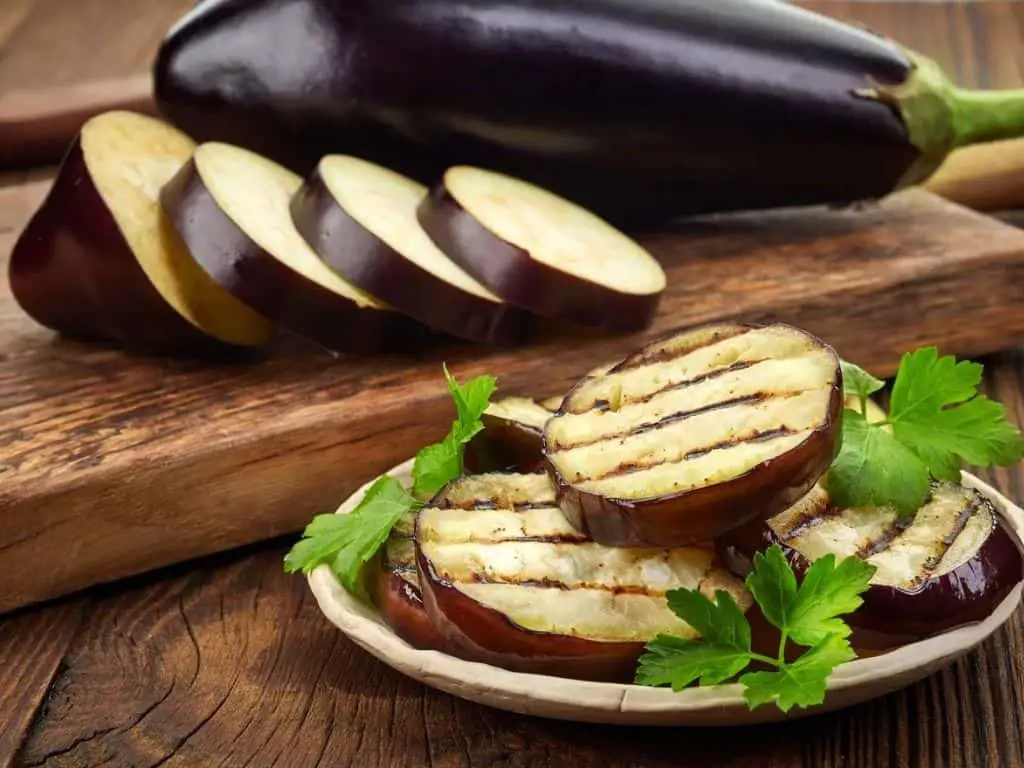
So how do you make the most of it? Start with a simple wash—don’t peel. Cut the eggplant into cubes or slices, then salt it generously. This old trick draws out moisture and any potential bitterness from the skin and flesh. Let it rest for 20–30 minutes, then rinse and pat dry. After that, the skin becomes your friend. Toss the cubes in olive oil and roast at 400°F until golden; the skin will soften and crisp up beautifully. For stir-fries, slice the eggplant into thin, even pieces so the skin blends in without dominating the texture. A dash of soy sauce or miso at the end complements the skin’s slight earthiness perfectly.
 Can You Eat Eggplant Skin? Here's Why You Should
One more tip: if you’re making a creamy dip or a silky stew, you can still keep the skin on, but blitz it in a food processor for a smoother finish. Many people are surprised to learn that even in classic Moussaka, traditional Greek cooks often leave the skin on for extra body and visual appeal. And if you’re feeling adventurous, try grilling whole eggplant halves skin-side down over high heat—the skin chars and becomes papery, almost like a wrapper, while the inside turns into a luscious, smoky puree.
In the end, the eggplant skin is rarely the enemy. It’s a flexible, flavorful component that just needs a little know-how. So next time you’re at the market, pick up a shiny, firm eggplant and resist the urge to reach for that peeler. Your taste buds—and your compost bin—will thank you. Whether you’re making a quick weeknight curry or a show-stopping roasted dish, remember: the skin isn’t just edible; it’s often the best part.