Can You Eat The Brie Cheese Rind

Welcome to the wonderfully waxy, delightfully funky world of Brie! If you’ve ever stared at a wheel of this creamy, decadent cheese and wondered, “What’s the deal with that wh...
Welcome to the wonderfully waxy, delightfully funky world of Brie! If you’ve ever stared at a wheel of this creamy, decadent cheese and wondered, “What’s the deal with that white, fuzzy skin, and can I actually eat it?”—you’re in the right place. This isn’t just a culinary trivia question; it’s a gateway to a more adventurous, delicious, and waste-free way to enjoy your fromage. Discovering that you can (and often should) eat the rind is like being handed a secret key to a whole new flavor dimension. It’s a fun, slightly rebellious act that turns a simple snack into a sensory experience. The advantage? You get the full, intended flavor profile of the cheese, you save money by not throwing away a good chunk of it, and you look like a total pro at your next dinner party. So, let’s dive rind-first into the creamy abyss.
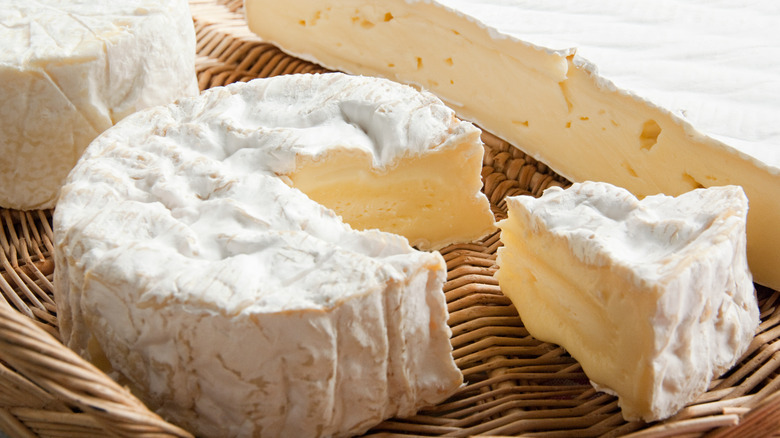
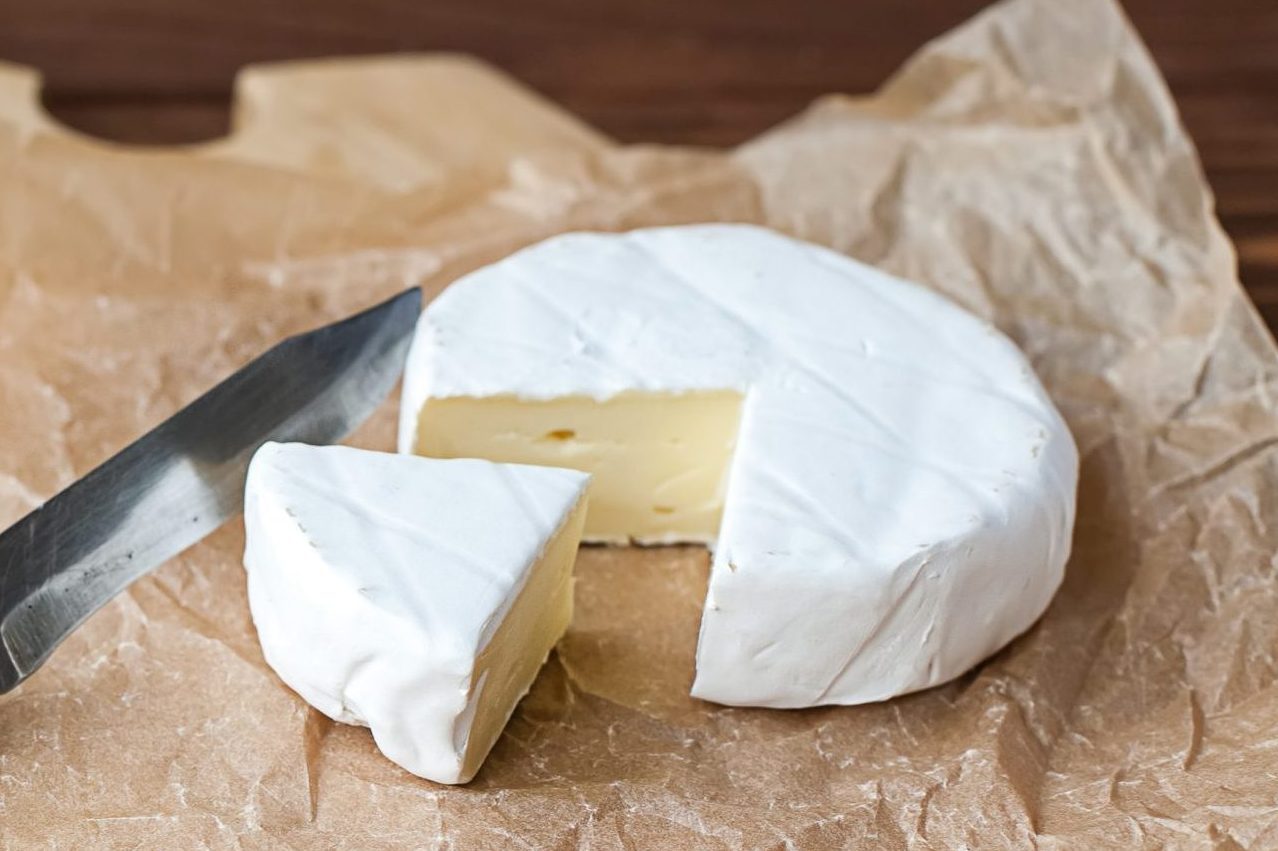
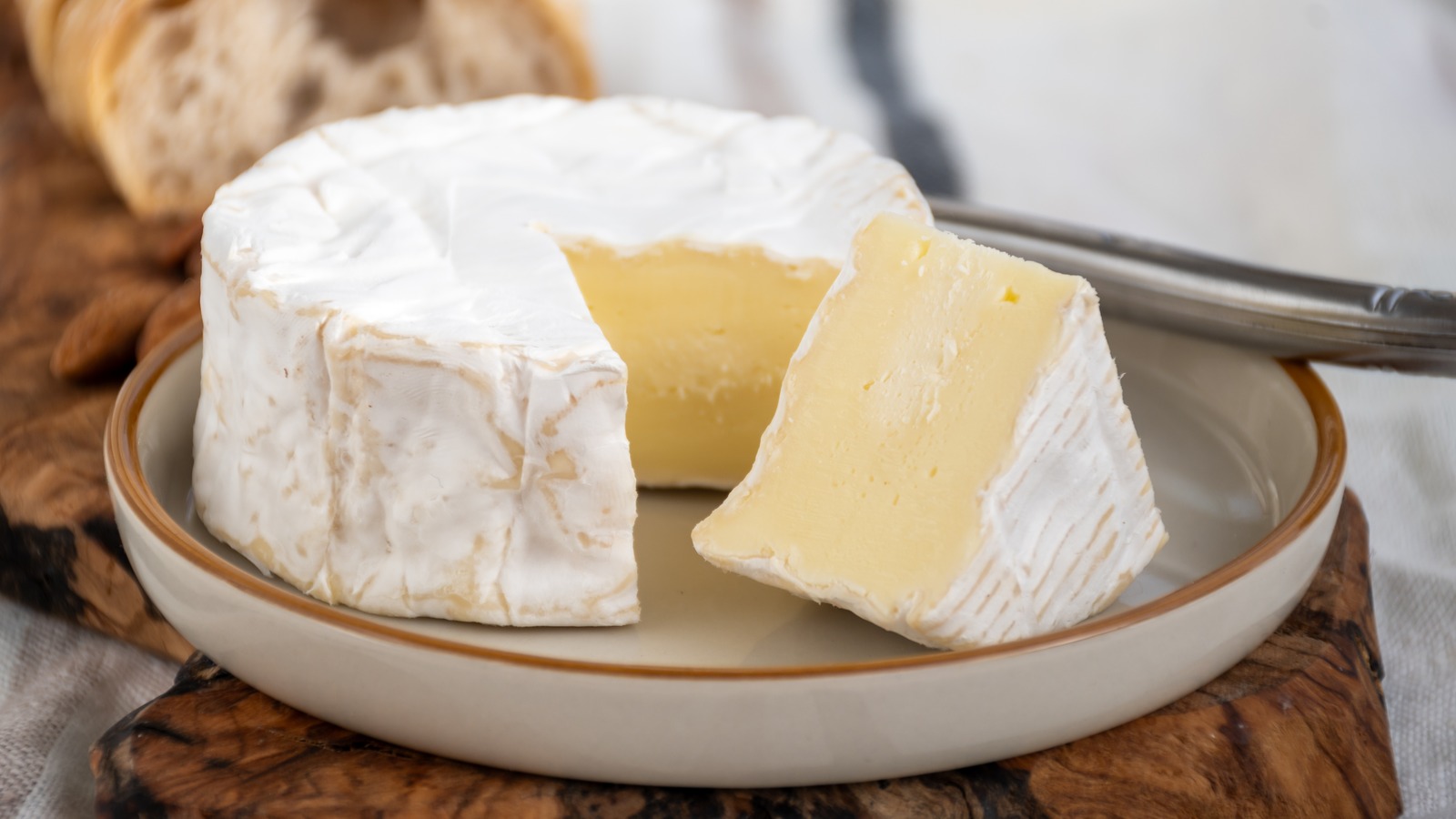
First and foremost, let’s bust the biggest myth: Yes, you can absolutely eat the Brie rind. That velvety, bloomy white layer isn't plastic or a wax coating; it’s a living, breathing part of the cheese. It’s made of Penicillium candidum (taste much fancier than it sounds), a friendly mold that cheesemakers intentionally introduce to create that signature soft, edible crust. This is the same divine mold that gives Brie its earthy, mushroomy, and slightly ammonia-like (in a good way!) aroma. Eating the rind isn’t just a possibility—it’s how the cheese was designed to be consumed. Think of it like the skin of a perfectly baked potato: it’s there to protect the soft inside, but it’s also packed with its own unique texture and taste. Next time you slice into a wheel, don’t discard that edge; that’s where a world of flavor hides.
Now, let’s get into the fun part: the flavor and texture play. Eating the rind solo can be a bit like chewing on a fluffy, slightly bitter cloud. But when you combine it with the gooey interior? Magic. Take a bite that includes both the creamy center and the tender rind. The rind provides a delicate, textural “pop” that contrasts with the luscious, almost liquid heart of a ripe Brie. It’s a dynamic duo of taste and feel. Creative chefs love to harness this. For a snack that screams “I have peak cheese confidence,” try this: slice a small, room-temperature Brie wedge, lay it on a cracker, and top it with a dollop of fig jam and a few toasted walnuts. The sweetness of the jam softens any earthy bitterness from the rind, while the nuts add crunch. Or, go savory: drizzle a whole Brie wheel with honey, sprinkle with fresh rosemary and flaky sea salt, and bake for 10 minutes. The rind becomes slightly firmer, almost like a cheese cup holding the molten center—a perfect party trick that will have guests asking for your secret.
Must Read
Here’s where we get practical: not all Brie rinds are created equal, and freshness is your best friend. A young, fresh Brie (usually with a firmer, snow-white rind) has a mild, almost undetectable rind flavor. An aged Brie, with a rind that has brownish spots or a stronger smell, will have a decidedly more pungent and complex bite—think mushrooms and damp earth. The golden rule? Check the texture of the cheese itself. If the inside is uniformly soft and creamy (not runny or chalky), the rind is in its prime. Always trust your nose: if the ammonia smell is overwhelming (like a cleaning product), the cheese is overripe, and that rind will taste unpleasant and bitter. In that case, you’re better off scooping out the center and leaving the rind behind. Another tip: always bring Brie to room temperature before serving. Cold Brie’s rind is tough and chewy; at room temp, it becomes tender and yields easily.
Let’s talk about who might want to skip the rind—and that’s totally okay! Personal preference is a deliciously valid reason to leave it on the plate. The rind’s texture can be polarizing. Some people find it too chewy or “furry” feeling against the tongue. If you’re a texture-sensitive eater, try it in a melted application first, like in a grilled cheese or on a flatbread, where the rind becomes much less noticeable. Another exception: the “double-creme” or “triple-creme” Brie. These have a higher fat content, which often makes the rind even more delicate and less bitter—perfect for first-time rind-eaters. And for the love of cheese, never eat the rind if you see dark, fuzzy grey or green mold that isn’t part of the original white bloom. That’s a sign of spoilage, not intention. Your health is more important than a cheese adventure!
 Can You Eat The Rind Of Brie Cheese?
Ready to become a Brie rind champion? Start simple: buy a good-quality, not-too-expensive wheel of Brie from a store you trust. Slice it, and take a small bite that includes both rind and center. Just chew slowly and notice the floral, mushroomy notes. Pair it with something crisp and fruity, like a Granny Smith apple or a green pear slice. The acidity and crunch will cut through the richness and highlight the rind’s nuttiness. For a sophisticated pairing, grab a glass of Champagne or a crisp Sauvignon Blanc. The bubbles and acidity are a classic match for the fatty, umami-rich cheese, and they’ll make the rind taste elegant rather than earthy. If you’re still wary, try a “rindless” Brie variation like a Camembert (which has a slightly thinner, almost unnoticeable rind) as a gentler introduction. Every cheese journey starts with a single, brave bite.
In the end, the question “Can you eat the Brie rind?” is really just a happy invitation to explore. It’s a reminder that some of the best parts of life—and food—are the ones we’ve been taught to overlook. So next time you’re at the cheese counter, don’t shy away from the fuzzy edge. Own it. Taste it. Share the knowledge with a friend. Because the rind isn’t a wrapper to be discarded; it’s the final, secret layer of a cheese story that’s waiting to be fully told. Now go forth and nibble with confidence—your taste buds (and your trash can) will thank you.