Can You Eat Gum While Fasting

There’s something oddly specific about wondering if you can chew gum while fasting. It’s one of those questions that feels surprisingly practical and yet delightfully trivial—...
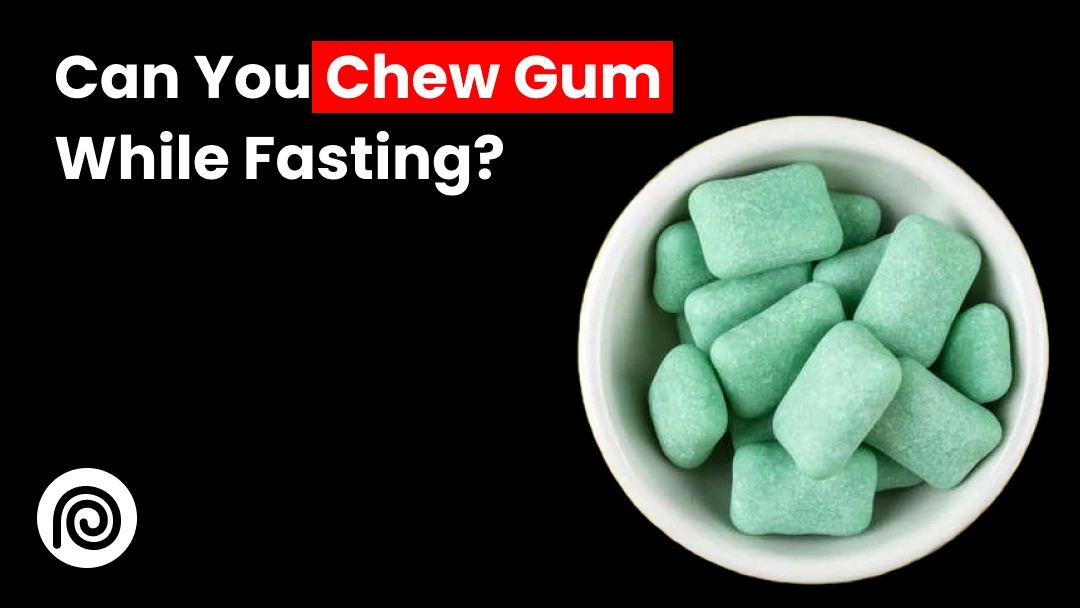
There’s something oddly specific about wondering if you can chew gum while fasting. It’s one of those questions that feels surprisingly practical and yet delightfully trivial—perfect for a slow afternoon or a moment of self-reflection. Maybe you’re into intermittent fasting for health reasons, or you’re observing a religious fast, and suddenly the thought of a little minty freshness sounds like a lifesaver. The topic is enjoyable because it sits at the crossroads of discipline and everyday pleasure. People love debating it, and the answer isn’t always a hard “yes” or “no.” For many, it’s about balancing the spirit of fasting with the practicality of getting through a long morning without bad breath or a growling stomach. Whether you’re a curious newbie or a seasoned faster, exploring this little conundrum can actually make your practice more sustainable and human.
The main purpose of figuring out if gum is allowed is to maintain the integrity of your fast without turning it into a battle of willpower. For those doing intermittent fasting for weight loss or metabolic health, the key concern is whether gum triggers an insulin response or breaks your calorie-free window. Most sugar-free gums contain fewer than 5 calories, and studies suggest that chewing gum doesn’t significantly spike insulin in most people. This means it’s often considered “OK” for time-restricted eating. On the other hand, for religious fasts like Ramadan or Lent, the rules are stricter—any substance entering the stomach, even a tiny bit of sweetener, can be seen as breaking the fast. The benefit here is that understanding your specific goal allows you to make a conscious choice rather than a guilty one. Different people get different wins: a busy parent might use gum to curb cravings, while a spiritual practitioner might skip it to honor the fast’s deeper meaning.
Let’s look at a few common scenarios. Imagine you’re doing a 16:8 fast and that mid-morning coffee breath is driving you crazy. A piece of sugar-free peppermint gum can feel like a tiny act of kindness to yourself. Or perhaps you’re fasting for religious reasons, and you’re at a social gathering where someone offers you gum—do you take it? In many traditions, the answer is no, because it’s about intention and abstaining from all consumption. Another variation: some people use gum to manage hunger pangs during the first few days of a fast, finding that the chewing motion tricks their brain into feeling satisfied. Athletes who fast may even use caffeinated gum for a mental boost. These examples show that the “can I or can’t I” question is less about a universal rule and more about your personal context.
Must Read
If you’re new to fasting and want to make the most of gum, start with a simple tip: choose sugar-free gum with no more than 5 calories per piece. Avoid anything with actual sugar, maltitol, or syrups that could spike your blood sugar. Also, pay attention to your fasting goals. If your fast is purely about calorie restriction, gum is usually fine. But if it’s about complete abstinence (like for autophagy or spiritual reasons), it’s better to skip it. A good rule of thumb is to test it out for a couple of days. Chew gum on one fasting morning and see how you feel—both physically and mentally. If you notice increased cravings or digestive gurgling, it might not be for you.
 Can I Eat Sugar Free Gum While Intermittent Fasting? – FIHIDU
Another actionable strategy is to limit your gum chewing to a specific window, like only during the last hour of your fast. This prevents it from becoming a constant crutch. Also, remember that fresh water, herbal tea, or a quick brush of the teeth can often replace the need for gum altogether. For those who really want to use gum, consider brands sweetened with stevia or xylitol, which are less likely to cause an insulin spike. And don’t forget to read the label—some gums contain hidden calories from tiny amounts of sorbitol or flavoring oils. Being mindful here turns gum from a potential mistake into a helpful tool.
Ultimately, the answer to “Can you eat gum while fasting?” is a gentle “it depends.” And that’s actually good news. It means you’re not locked into a one-size-fits-all rule. You get to be the architect of your own fast, making choices that align with your body and your values. So go ahead, unwrap that piece of gum—or don’t. Either way, you’re learning what works for you, and that’s the most important thing. The real benefit of this whole exploration is that it reminds us that fasting doesn’t have to be rigid. A little flexibility, a little curiosity, and a piece of minty freshness can make the journey that much more enjoyable.
![Can You Chew Gum While Fasting? [The FULL Story + Examples]](https://fastingwell.com/wp-content/uploads/2020/09/best-gum-to-chew-for-intermittent-or-extended-fasting.png)
