Can You Eat Grits After Best By Date

Let’s be honest: we’ve all been there. You’re staring into your pantry, and there’s that half-empty bag of grits hiding behind the canned beans. You check the label, and your...
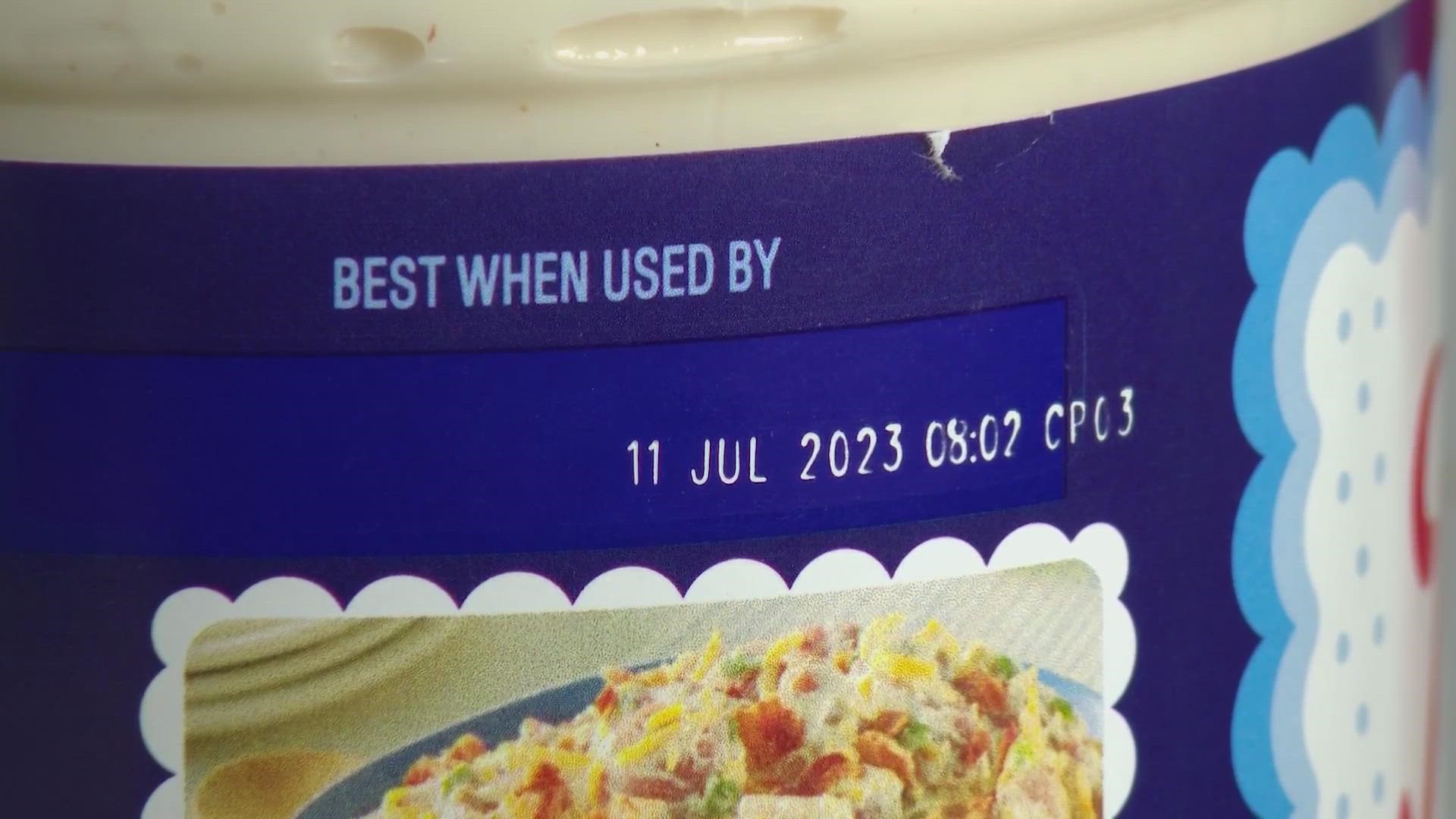
Let’s be honest: we’ve all been there. You’re staring into your pantry, and there’s that half-empty bag of grits hiding behind the canned beans. You check the label, and your heart sinks a little—the “Best By” date was three months ago.
So, what do you do? Do you toss them out like last week’s leftovers, or do you risk a breakfast gamble? Well, grab a seat, because we’re about to talk about grits—and why that date on the package isn’t always the final boss.
First, Let’s Get One Thing Straight
The “Best By” date is not a safety date. It’s a quality promise from the manufacturer, kind of like a suggestion from a very polite friend.
Must Read
Think of it this way: if you buy a new sweater, the tag says “best if worn before winter,” but you can still wear it in spring, right? It might just feel a little different. Grits are the same—they’re not going to turn into a science experiment just because the calendar says so.
So, Can You Eat Them or Not?
Yes, you can eat grits after the “Best By” date. In fact, if they’ve been stored properly in a cool, dry place, they’re likely just fine for months—sometimes even a year later.
I once found a forgotten bag of quick grits that was a year past its date. I cooked them up, and they tasted… well, like grits. A little mild, maybe, but nothing a pat of butter and a pinch of salt couldn’t fix.
But Here’s the Catch (There’s Always a Catch)
The main thing you lose is freshness. Over time, the natural oils in the grits can go a little stale, making them taste less vibrant. Think of it like that bag of potato chips you left open overnight—they’re still edible, but the “crunch” isn’t the same.
Also, old grits might take a bit longer to cook. They’ve gotten a bit dry and stubborn, so you’ll need a little more patience and a little more liquid. No big deal if you’re not in a rush.
How to Tell If They’ve Actually Gone Bad
Before you boil that water, do a quick sniff test. If the grits smell musty, rancid, or like wet cardboard, that’s your cue to say goodbye. Fresh grits should smell like… well, nothing much, just a faint, corny scent.
Also, look for bugs or webbing. Yes, it’s gross, but pantry moths are real. If you see tiny black specks or little critters, toss the bag. No breakfast is worth that surprise.
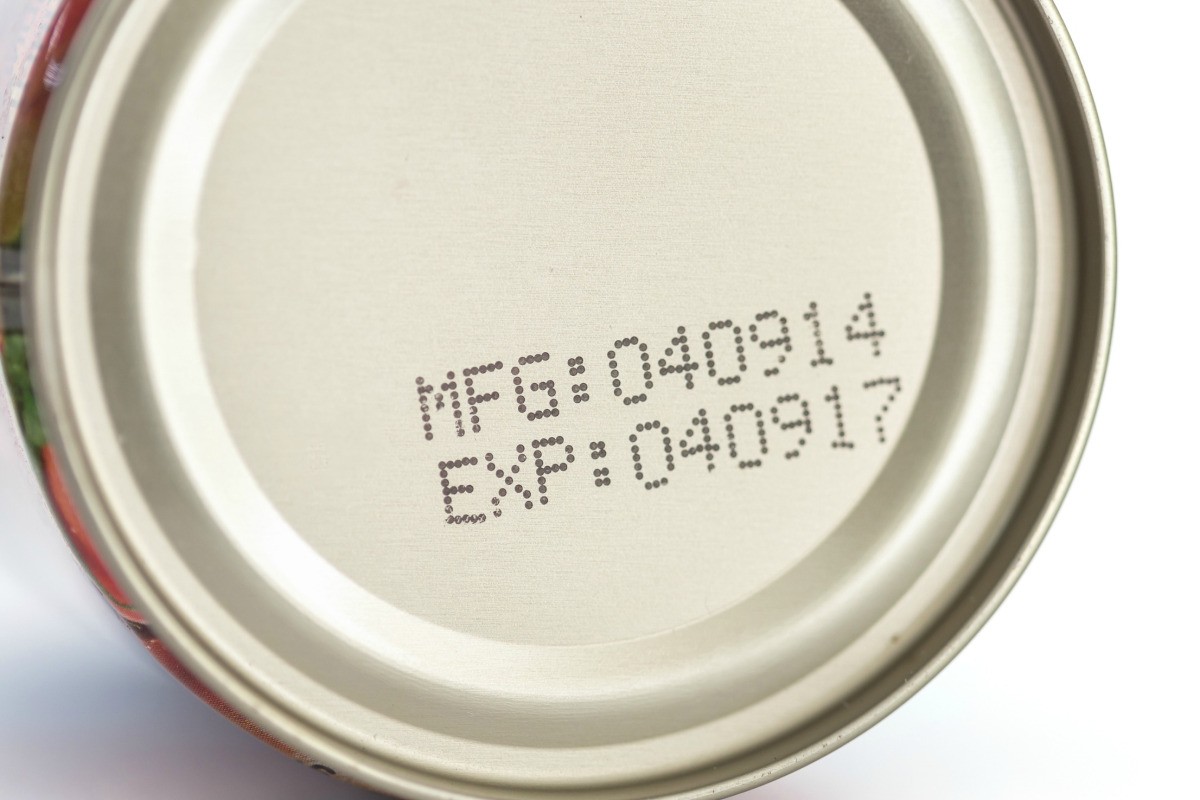 Can You Eat Grits After Expiration Date – FKCU
And finally, check for clumps. If the grits are hard and stuck together, moisture got in. Better safe than sorry—chuck ‘em.
The Egg and Grits Analogy
Think of grits like rice or pasta. You wouldn’t panic over an expired box of spaghetti, would you? As long as it’s dry and sealed, it’s pretty much immortal. Grits are the same: they’re just ground corn, the ultimate pantry survivor.
In fact, old grits can actually be charming. Some folks prefer aged grits, claiming they have a deeper, nuttier flavor. You might accidentally stumble into a gourmet discovery.
A Little Story from My Kitchen
Last summer, my aunt brought over a bag of stone-ground grits she’d bought on vacation. Turns out, the “Best By” date was two years ago. She looked horrified.
I cooked them anyway, right? And you know what? They made the creamiest cheese grits I’ve ever had. The secret? I added a splash of heavy cream and a good dose of patience. My aunt didn’t even notice the date—she just asked for seconds.
The Real Takeaway
The bottom line is this: don’t let a little number on a package scare you away from a good breakfast. Your grits are tougher than they look—they’re survivors, like that old friend who always shows up for brunch.
Just use your senses. If they look fine, smell fine, and don’t have any uninvited guests, cook them up and enjoy. You’ll save money, reduce food waste, and maybe discover that expired grits have a little more soul.
So go ahead. Give that bag a second chance. Your taste buds—and your wallet—will thank you.
