Can You Eat Fresh Raw Salmon

So, you’re standing in the grocery store, eyeing that beautiful, glistening fillet of salmon, and a little voice whispers, “Could I… just… eat this raw?” It’s a tempting thoug...
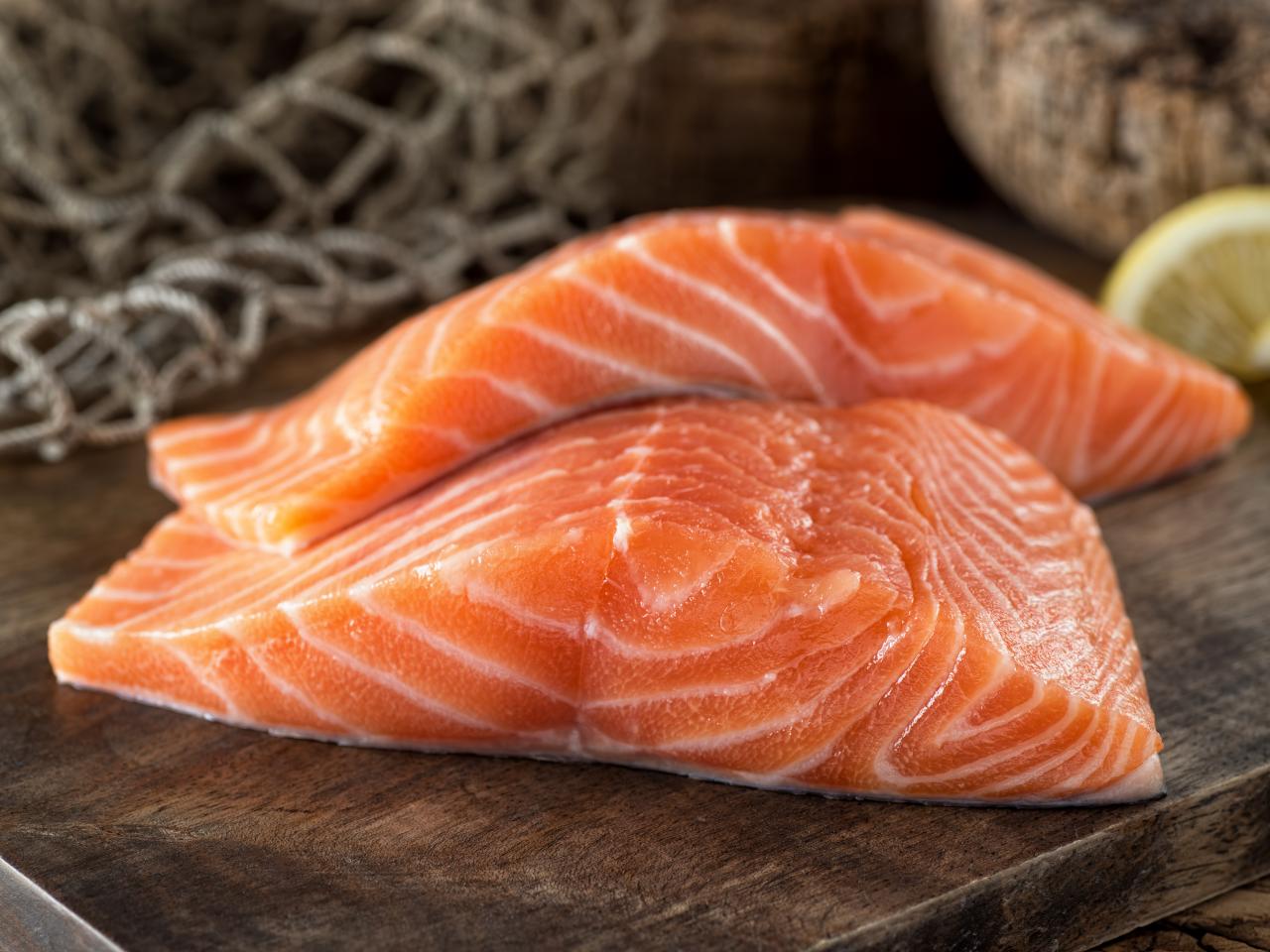
So, you’re standing in the grocery store, eyeing that beautiful, glistening fillet of salmon, and a little voice whispers, “Could I… just… eat this raw?” It’s a tempting thought, isn’t it? Like that time you considered licking the cake batter bowl—except with higher stakes and a side of potential regret. Let’s dive in, butter knife first.
Here’s the short, no-nonsense answer: Yes, you can eat fresh raw salmon—but only if it’s been handled with the obsessive care of a cat burglar planning a heist. That “fresh” salmon from the supermarket? It might be a ticking time bomb of bacteria or parasites. The key isn’t just “fresh”—it’s “sushi-grade” or “sashimi-grade.” And spoiler alert: those terms aren’t actually regulated by the government (which is like calling your homemade hot dog a “Michelin-star” hot dog—it’s mostly a vibe). What it really means is the fish was frozen at a precise, very low temperature for a specific time to kill any creepy-crawlies, like the infamous Anisakis worm. Yes, that’s a real parasite, and no, you don’t want to meet it. It’s not a pet.
So, how do you get that dreamy, melt-in-your-mouth raw salmon without a side trip to the ER? Step one: Find a reputable fishmonger. If they give you a blank stare when you ask, “Is this sashimi-grade?” run—do not walk—to a different counter. Step two: Ask if it was flash-frozen (usually at -20°F or lower for at least 7 days, or -31°F for 15 hours). This is the gold standard. Step three: Sniff it. Fresh raw salmon should smell like the ocean—clean, briny, and inviting—not like a forgotten gym bag or that weird corner of the fridge.
Must Read
Now, let’s talk texture. Good raw salmon should be firm and glossy, with vibrant orange or pink flesh and those beautiful white fat lines (the intramuscular fat, aka the flavor highways). If it’s slimy, mushy, or has a dull color, abort mission. That’s not “raw”—that’s “sad.”
What about farmed vs. wild? Farmed salmon often has a lower risk of parasites because it’s raised on pellet feed, not the wild buffet of potential trouble. Wild salmon, while delicious, is more likely to have hitchhikers. But both can be perfectly safe if properly treated. The golden rule? Don’t mess around. If you’re not sure, cook it. Salmon is just as amazing seared, grilled, or baked—even if it loses its “sushi chef” street cred.
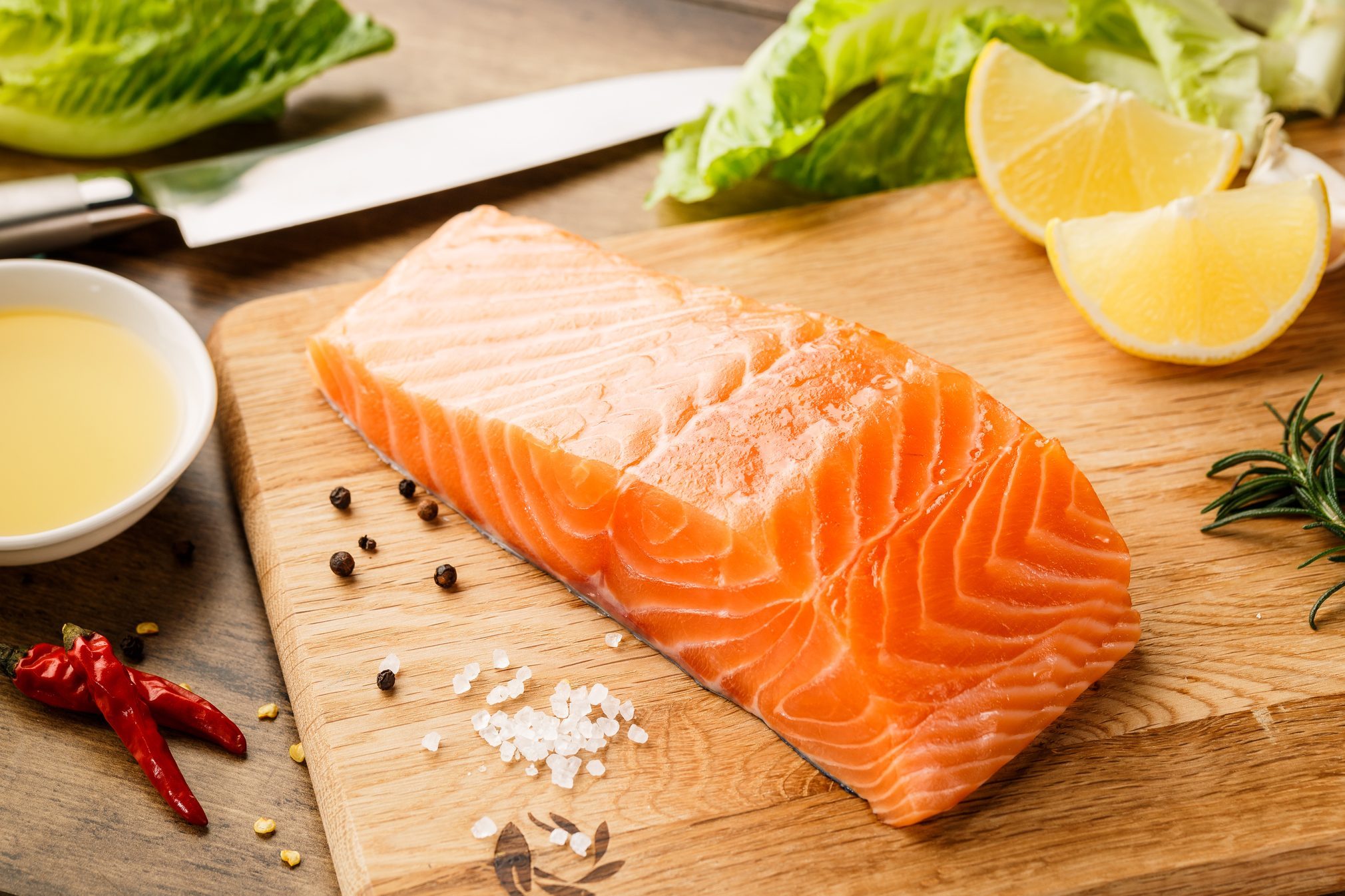 Can You Eat Raw Salmon If It's Fresh?
And here’s a little secret: you can totally make raw salmon at home. Start with a poker-straight fillet from a trusted source, slice it against the grain into thin pieces, and serve it with a splash of soy sauce, a dab of wasabi, and maybe a sesame sprinkle. Feels fancy? It is. But please, please don’t treat your kitchen counter like a sushi bar. Use a clean knife, a clean board, and clean hands. No double-dipping with the cat.
To recap: Yes, you can eat fresh raw salmon—just do it smarter, not harder. Trust your nose, pick a reliable source, and never assume “fresh” means “ready for sashimi.” Your gut (both literal and metaphorical) will thank you.
So go ahead, brave culinary explorer! Slice that gorgeous piece of salmon, pop it in your mouth, and savor that buttery, oceanic bliss. And if someone asks, “Is that safe?” just smile, nod, and say, “Only if you have the inside scoop.” Because now, my friend—you do. Happy eating, and remember: raw salmon is a treat, not a dare. Go be delightful.
