Can You Cook Frozen Minced Meat

For many home cooks, the humble pack of frozen minced meat is a true kitchen hero. It sits patiently in the freezer, a silent promise of a hearty meal on a busy weeknight. The...

For many home cooks, the humble pack of frozen minced meat is a true kitchen hero. It sits patiently in the freezer, a silent promise of a hearty meal on a busy weeknight. The modern lifestyle, with its packed schedules and unpredictable cravings, has made this staple invaluable. Its key purpose is simple: to provide a versatile, high-protein ingredient that is always on hand, eliminating the need for last-minute supermarket runs. The benefit is profound—fewer meal-planning headaches, reduced food waste, and the power to transform a mundane evening into a comforting dinner with minimal effort.
However, a common question arises with genuine concern: can you cook frozen minced meat directly? The short answer is yes, but it requires a specific technique to ensure safety and quality. The direct application of heat to frozen meat can lead to uneven cooking if not handled correctly. The worry is always about the danger zone—that temperature range where bacteria thrive. The key is to avoid a scenario where the outer layer browns and burns while the core remains frozen and raw. With the right approach, you can turn that solid block of mince into a safe, delicious base for chili, bolognese, or tacos in under 30 minutes.
Let’s look at a realistic scenario: it’s Tuesday evening, you’re exhausted from work, and you’ve just realized you forgot to thaw the beef for spaghetti sauce. Instead of ordering takeout, you grab the frozen block. The trick is to start with a hot, heavy-based pan—cast iron or stainless steel works best. Add a little oil, then place the frozen block directly into the pan. Cover it with a lid for the first few minutes. This traps steam, which helps separate the block into smaller, cookable pieces. After about three to four minutes, use a wooden spoon or spatula to break the softened edges apart. You are not trying to brown it yet; your first goal is to break it down into crumbles.
Must Read
Once the meat has broken into small chunks, you can remove the lid and turn up the heat slightly. This is where the real cooking begins. The smaller pieces will now start to brown and develop flavor, similar to fresh mince. However, you will notice the pan releases more liquid—this is the water content from the ice crystals melting. Do not let this pool of water boil away too quickly; it will actually help cook the meat through evenly. Patience is vital. Keep stirring and breaking apart any stubborn clumps until all the meat is uniformly colored and reaches an internal temperature of 160°F (71°C). This method ensures the meat is thoroughly cooked without being dry.
To improve your results, consider a few simple tips. First, choose the right recipe. Cooking frozen mince straight from the freezer is best for dishes where the meat is simmered or sauced, like chili, curry, stews, or casseroles. The long cooking time allows the meat to become tender and absorb the flavors. It is not ideal for recipes that rely on a perfectly seared crust or distinct texture, such as homemade burgers or meatballs. For those, you should definitely thaw the meat first. Second, increase your seasoning. Direct-from-frozen cooking often mutes flavors, so be generous with salt, garlic, herbs, and spices. A splash of soy sauce or Worcestershire sauce can also boost the savory notes. Finally, use a food thermometer to check the temperature in several spots. Do not rely solely on the color of the juices or the meat itself.
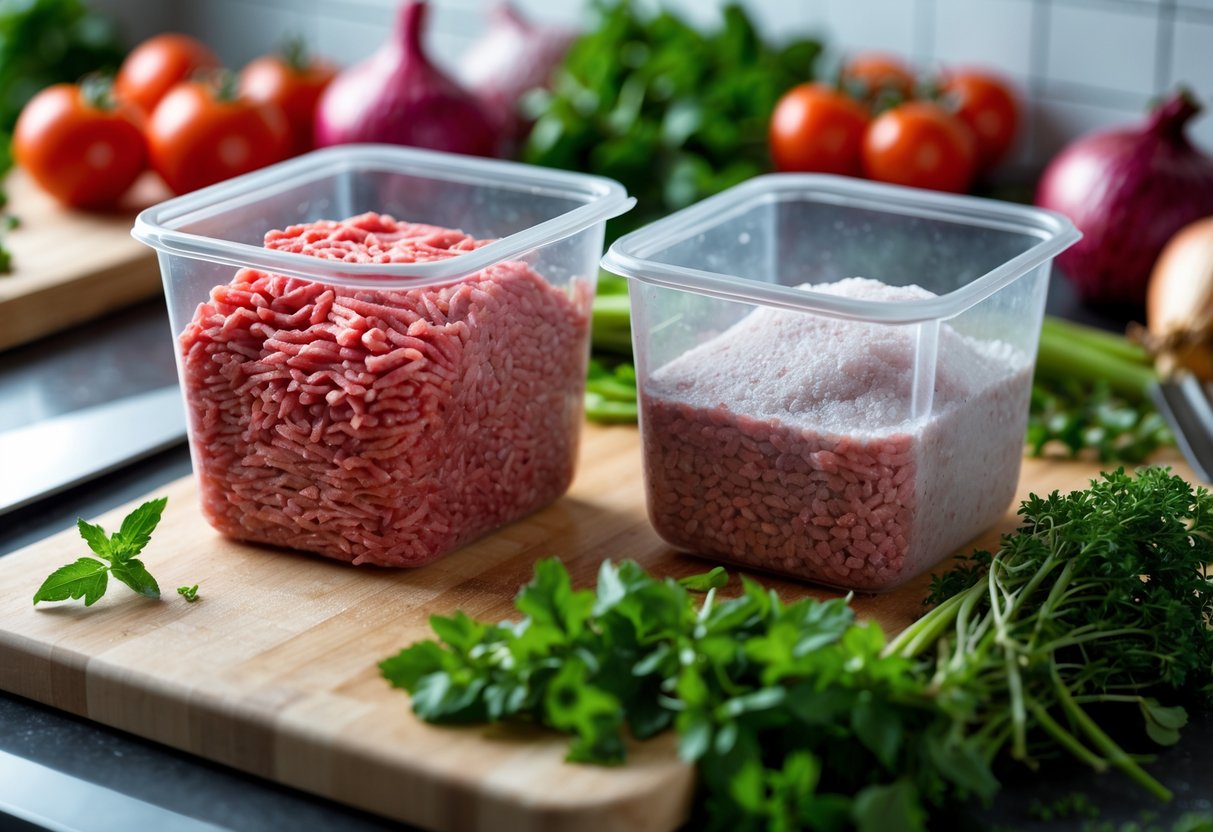 Is Frozen Mince as Good as Fresh? Honest Guide for Home Cooks
Another technique worth exploring is steaming before browning. Some chefs recommend placing the frozen block in a steamer basket over boiling water for about five minutes. This gently thaws the exterior without starting the cooking process. Once the surface is pliable, you can transfer it to a hot pan just as you would with fresh mince. This method offers a little more control and can produce a better final browning. It is an excellent middle ground for cooks who want the convenience of cooking from frozen but desire the texture and visual appeal of traditionally browned meat.
In essence, cooking frozen minced meat is perfectly safe and highly practical when done correctly. It is a technique that empowers you to be resourceful and spontaneous in the kitchen. By understanding the science behind heat distribution and water release, you turn a potential problem into a skill. Next time you find yourself staring at a solid block of mince, remember to use a heavy pan, break it down early, and embrace the liquid. With these strategies, you can serve a warm, satisfying, and safe meal that proves convenience and quality can truly go hand in hand. The frozen pack in your freezer is not a limitation; it is an opportunity.

