Can You Check A Cpap On A Plane

There’s something genuinely satisfying about untangling a common travel worry. You’ve packed your bags, you’ve got your boarding pass, but there’s that one piece of medical ge...
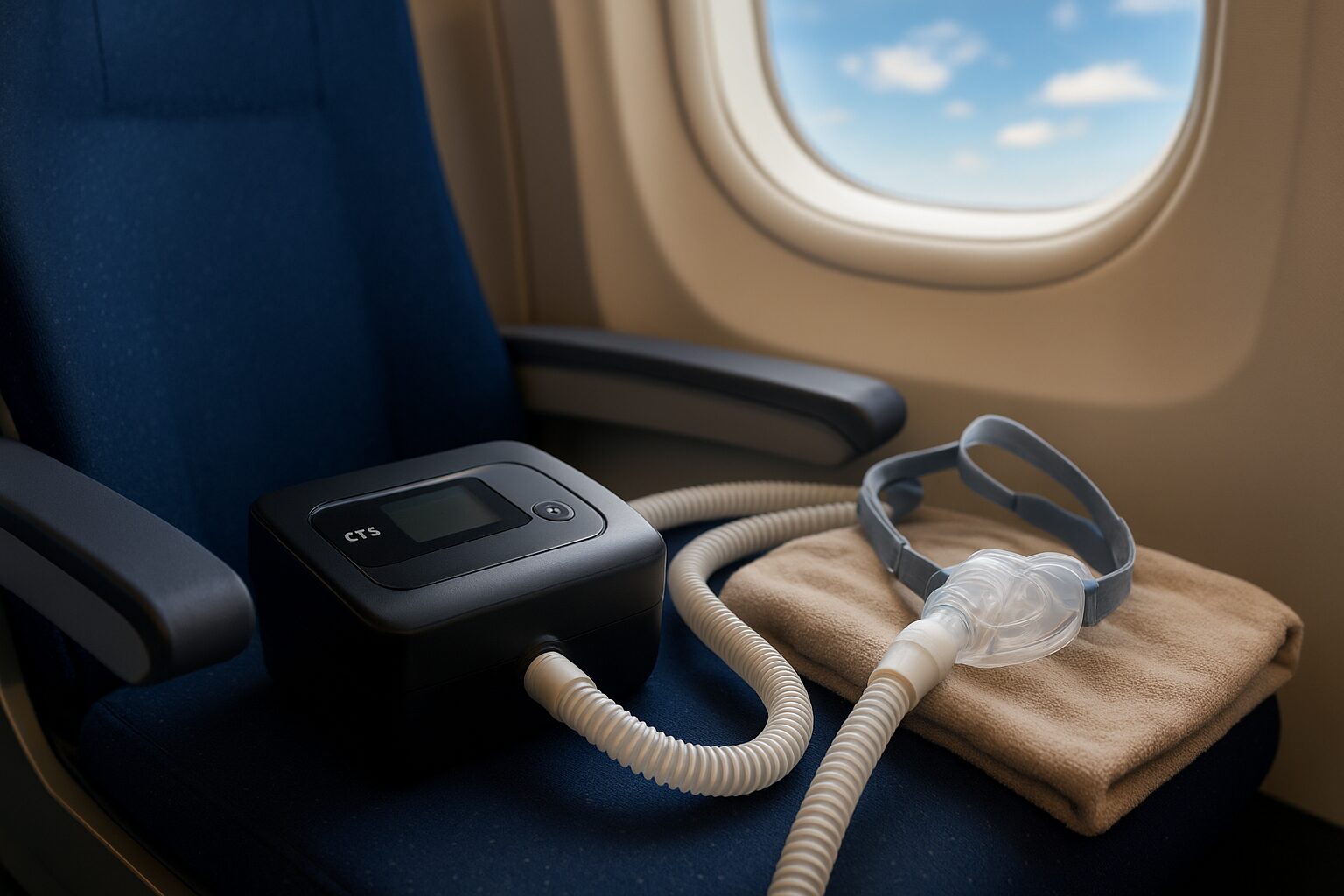
There’s something genuinely satisfying about untangling a common travel worry. You’ve packed your bags, you’ve got your boarding pass, but there’s that one piece of medical gear—the CPAP machine—that feels a little too precious to just toss in a suitcase. The good news? This is a surprisingly easy topic once you know the rules, and it brings a huge sense of relief to millions of people who rely on quality sleep. Whether you’re a seasoned business traveler, a vacationing retiree, or someone new to sleep apnea therapy, knowing you can bring your CPAP on a plane means one less stress point. It turns a potential headache into a smooth part of your journey, letting you focus on the trip ahead instead of worrying about your gear.
At its core, the main purpose of traveling with a CPAP is simple: protect your machine and keep it accessible. Airlines treat CPAPs as essential medical devices, which means they generally get a free pass in carry-on luggage. This is a huge benefit because checking a CPAP in your hold baggage is always a bad idea. Imagine the machine getting jostled, crushed, or lost—your sleep therapy becomes worthless. By keeping it in your carry-on, you ensure it stays with you, clean and functional, right when you need it at your hotel or destination. For people with severe apnea, this isn’t just comfort; it’s a health necessity.
Let’s look at a few common scenarios. Most CPAP machines, like the popular ResMed AirSense 11 or the Philips DreamStation, are compact enough to fit in a standard backpack or a dedicated carrying case. Some travelers prefer to break their device into parts—the machine in one bag, the humidifier chamber in another—to save space. Others use a specialized CPAP travel case that fits easily under an airplane seat. Every airline has its own nuance, but the law is on your side. In the U.S., the FAA explicitly allows CPAPs as carry-on items without counting toward your personal-item limit, as long as you declare it at security. Internationally, most carriers follow similar rules, but it’s always smart to double-check your specific airline’s policy online before you leave.
Must Read
Getting started is straightforward. First, always carry your CPAP in your carry-on—never check it. Second, when you go through airport security, remove the CPAP from its bag and place it in a separate bin, just like you would with a laptop. The TSA sees these machines all the time, so don’t be shy about asking for a hand inspection if you prefer not to expose the device to X-rays (though it’s perfectly safe to scan). Pro tip: bring a copy of your prescription or a doctor’s note, though in practice, you rarely need one for domestic flights within the U.S. For international trips, a note in English and the local language can smooth things over.
 Traveling with cpap on airplane 60 photos - Morilly.com
To make the most of your travel CPAP setup, invest in a travel-sized machine if you fly often. Models like the ResMed AirMini are tiny, whisper-quiet, and come with their own sleek carrying case. If you stick with your full-size unit, pack it in a padded case and remember to empty the humidifier water tank before you fly—water will spill under pressure changes and make a mess. Also, consider a portable battery pack if you’re worried about outlets on long-haul flights or camping trips. Many modern CPAPs can run on DC power, so a simple adapter can turn your seat’s USB port into a lifeline for a nap.
A few last actionable tips. Label your CPAP case with your name and contact info, inside and out. Arrive early to security to avoid rushing, especially if you need a hand inspection. And if you’re worried about lost luggage, pack a small backup—like a travel-sized mask and hose—in your personal item. Remember, airlines are required to accommodate medical devices, so don’t let a grumpy gate agent convince you otherwise. Stay polite, but firm. In the end, checking your CPAP on a plane is a no-go, but carrying it on is a breeze. Sleep well, travel well, and enjoy the journey.

