Can You Bring Homemade Food On A Plane

So, you’re staring down the barrel of a long flight, wallet crying, and the aroma of overpriced airport pretzels filling the air. Your inner master chef whispers, “What if I j...
/taking-food-on-a-flight-2972600_v4-5b48e7e246e0fb00373312be.png)
So, you’re staring down the barrel of a long flight, wallet crying, and the aroma of overpriced airport pretzels filling the air. Your inner master chef whispers, “What if I just… packed my own snacks?” It’s a beautiful, rebellious thought. But can you actually bring homemade food on a plane? Let’s dig into this culinary carry-on conundrum, shall we?
Short answer: Yes, you absolutely can. The Transportation Security Administration (TSA) does not ban homemade food. They are not, despite conspiracy theories, the Food Police. Their job is to check for security threats, not judge your soggy sandwich artistry. So, that leftover lasagna your mom made? Theoretically, it’s cleared for takeoff. But—and there is always a “but” in travel—there’s a catch, and it involves a very specific nemesis: liquids and gels.
Here’s where it gets tricky, like trying to fold a fitted sheet. If your homemade creation is solid (think cookies, a sandwich, a bagel, dry granola), you’re golden. Toss it in your carry-on. But the moment you introduce spreadable, scoopable, or saucy elements, you enter the 3-1-1 rule zone. That includes yogurt, peanut butter, jam, gravy, soup, or even a particularly moist, gloppy casserole. If it can be poured, spread, or spilled in a way that would make a flight attendant wince, it has to fit into a 3.4-ounce (100ml) container, placed inside a single clear quart-sized bag. No exceptions, unless it’s medically necessary or for a baby.
Must Read
Pro tip: Don’t be the person trying to bring a full tub of hummus. That’s a one-way ticket to the trash can. Instead, portion your ranch dressing into those tiny, TSA-approved travel bottles. Or better yet, pack solid, non-saucy heroes. Think a fully assembled, dry-grain-free sandwich (cut it at the gate—living on the edge!). Think crust-less quiche bites, hard-boiled eggs (the hero of the 6 a.m. flight), homemade energy balls, or a giant, cheering slice of banana bread.
Now, about international flights: This is where you need to play by two sets of rules. While US TSA may let your homemade pesto through, the customs of your destination country might have a foodie hissy fit. Many countries ban fresh fruits, vegetables, meats, and dairy. That apple you brought for a snack could land you in a “declaration” situation with a grumpy customs officer. When in doubt, check the rules of your destination. And please, for the love of all that is holy, don’t try to bring a whole sandwich with leftover chicken through Australian customs. They are serious about their biosecurity, and you will lose that chicken.
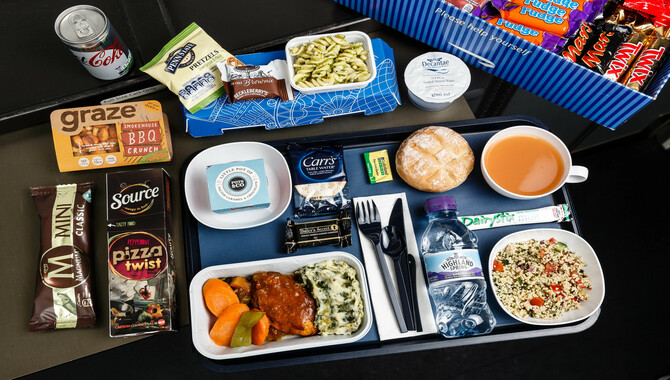 Can You Bring Homemade Food On A Plane: In-Flight Feasts
Packing strategy is low-key important. Avoid anything overly pungent. A tuna salad sandwich might taste amazing at home, but on a pressurized plane? That’s an act of terrorism against your seatmate’s nostrils. Stick to foods that smell friendly—like baked oatmeal, cheese (pre-wrapped), or a simple veggie wrap. And wrap your goods tightly. The Bernoulli effect of cabin pressure loves to launch stray crumbs.
Here’s the bottom line: Homemade food is a secret weapon against expensive, mediocre airport food and terrible snack fatigue. It saves money, feels like a hug from your kitchen, and makes you look impossibly put-together. So go ahead—bake that muffin, roll those energy balls, and pack that sandwich. Just skip the soup. And don’t forget: if TSA asks you to remove your 14-ounce jar of homemade kimchi from your bag, smile, hand it over, and accept that some culinary dreams are not meant to fly.
In the end, bringing your own food is an act of self-care in a world of overpriced terminal sadness. It’s you saying, “I deserve a taste of home at 35,000 feet.” So pack your little edible treasures, breeze through security with your solid snacks, and enjoy every crumb. Because the best meal on a plane is the one that tastes like you made it—and didn’t cost you a fortune. Happy snacking, sky chef! 🛩️🍪
/taking-food-on-a-flight-2972600_v4-5b48e7e246e0fb00373312be.png&description=Can+You+Bring+Homemade+Food+On+A+Plane)