Can White Wine Sit Out After Opened

Welcome to the wonderfully casual world of wine, where the biggest post-opener question isn’t about vintage or terroir, but about how long you can get away with leaving that b...
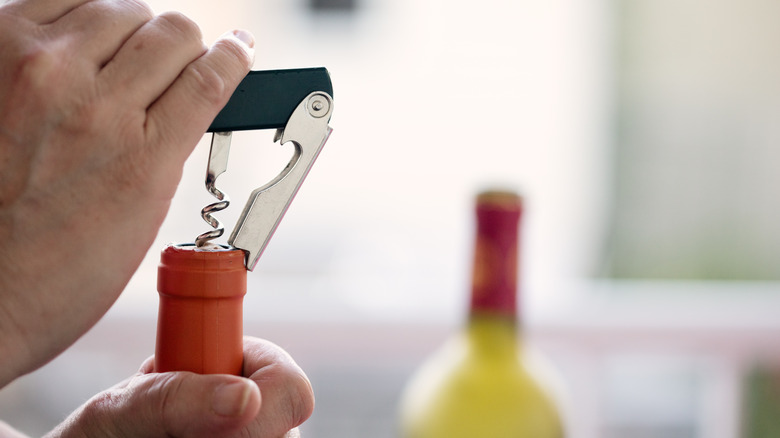
Welcome to the wonderfully casual world of wine, where the biggest post-opener question isn’t about vintage or terroir, but about how long you can get away with leaving that bottle on the counter. We’ve all been there: you pour a glass of crisp Sauvignon Blanc, get distracted by a phone call, and suddenly it’s two hours later. Or maybe you only wanted a single glass of Chardonnay after a long day. This isn’t a guide to stress about perfection; it’s a fun, helpful look at the friendly science of an open bottle. The purpose here is simple: to free you from guilt and wasted wine. The advantage? You’ll know exactly when to chill, when to drink, and when to pour that last splash into your pasta sauce, saving both your money and your sanity.
Let’s start with the good news: white wine is surprisingly resilient—at least for a little while. Unlike its red sibling, which can sometimes taste better after a few hours of air, white wine is more delicate. But “delicate” doesn’t mean “disposable.” Think of it this way: an opened bottle of white wine sitting out at room temperature is like a sweet, shy friend who slowly starts telling overly dramatic stories. For the first four to six hours, it’s perfectly fine. It might even develop a slightly richer aroma if it’s a fuller-bodied white like a Viognier or an oaked Chardonnay. After that, the story gets a bit stale. The vibrant acidity and fruity notes—think green apple, lemon, or white peach—begin to fade into a flat, vaguely sour shadow of what they were. It’s not dangerous, but it’s disappointing. Your best move for that first day? Don’t worry. Just pop the cork back in (or use a rubber stopper) and pour again within the half-day window.
Here’s where the fun begins: creative ways to use a “tired” white wine. Let’s say you forgot about your opened Pinot Grigio for a full 24 hours. It’s now past its prime for sipping—the crispness has gone soft—but it’s not a lost cause. Pour that leftover wine into an ice cube tray. You’ve just made wine ice cubes that are perfect for future cooking. Drop one into a pan of sautéed mushrooms or add it to a cream sauce for chicken. Or try this: mix a few tablespoons of forgotten white wine with a squeeze of lemon and a pinch of salt for a quick, magical marinade for chicken or fish. The acid in the wine helps tenderize the protein, and the alcohol (which mostly cooks off) adds subtle depth. You’ve turned a forgetful moment into a chef’s secret weapon.
Must Read
What about temperature? That’s the single biggest variable in this story. White wine left out in a warm kitchen (say, 75°F or 24°C) will deteriorate much faster than one sitting in a cool basement or a 65°F (18°C) room. The heat speeds up oxidation—the same process that turns a cut apple brown. After 12 hours at room temperature, even a good white will start to smell a bit like vinegar. But here’s the practical twist: if you put that bottle in the refrigerator after the first hour, you can dramatically extend its life. Refrigeration doesn’t reverse oxidation, but it slows it down to a crawl. A refrigerated, opened white wine is usually perfectly drinkable for three to five days. The key is to smell and taste it before you pour. If it smells like sherry or nail polish remover, it’s a goner. If it’s just a little flat, it’s still fine for cooking or a less-pretentious evening glass.
Now, let’s shatter a common myth: “You must put the cork back in exactly as it was.” While that’s nice, it’s overrated. The real trick is to minimize the wine’s contact with air. If the cork is moldy or crumbly, use a rubber wine stopper or even a piece of plastic wrap held tight with a rubber band. For an even better result, consider a vacuum pump (under $15 online) that sucks excess air out of the bottle. This can buy you an extra day or two, especially for delicate whites like Riesling or Albariño. Another pro tip: pour the leftover wine into a smaller container. A half-full 750ml bottle has a lot of oxygen inside it. Transferring the wine to a smaller 375ml bottle (like the one you might keep from a previous bottle) reduces that air pocket dramatically. It’s like putting your wine in a cozy, airless blanket.
 How Long Does Wine Last Once Opened? And Can Wine Go Bad? – Coravin APAC
Don’t forget the wild card: the type of white wine matters. A high-acid, high-alcohol white such as a classic French Chablis or a dry German Riesling can actually handle the open-air wait better than softer, sweeter whites. The acidity acts as a natural preservative. On the flip side, a light, low-alcohol Moscato d’Asti or a rosé with residual sugar (like a White Zinfandel) will start to fade and develop off-flavors within hours. Why? Sugary wines are essentially a feast for any airborne yeast or bacteria that might find their way into the bottle. So if you’re sipping a sweet white, plan to finish it within the first day or use it quickly in a wine spritzer with club soda and ice—a refreshing way to mask any initial oxidation.
Finally, here’s your cheat-sheet for practical action. If you open a bottle of white wine now, set a timer on your phone for 6 hours. That’s your “peak enjoyment window” for room-temperature drinking. After that, pop it in the fridge. Tomorrow evening, it’s still your friend. The day after, taste test. If it’s okay, use it for a quick risotto or deglaze a pan for a chicken dish. Day four or five? Make a delicious white wine vinegar by adding a bit of raw vinegar “mother” (or just forget about it for two weeks and you’ll have a homemade wine vinegar that’s fantastic for salad dressings). The point is to never waste a drop. White wine that sits out isn’t a crime; it’s an invitation to be resourceful. So next time you only want one glass, pour it, drink it, and treat the rest of the bottle like a new ingredient. Cheers to creative, guilt-free sipping!

