Can U Use Bread Flour Instead Of All Purpose

There's something undeniably satisfying about **walking into your kitchen**, discovering you're out of all-purpose flour, and then finding a bag of bread flour hiding at the b...

There's something undeniably satisfying about walking into your kitchen, discovering you're out of all-purpose flour, and then finding a bag of bread flour hiding at the back of your pantry. Before you panic and call off dinner, take a breath — because yes, you absolutely can use bread flour instead of all-purpose flour in many recipes! This little swap is a game-changer that can elevate your baking while saving you a last-minute grocery run. Whether you're a weekend baker or a confident home cook, understanding how these two flours compare opens up a world of flexibility and creativity in your kitchen.
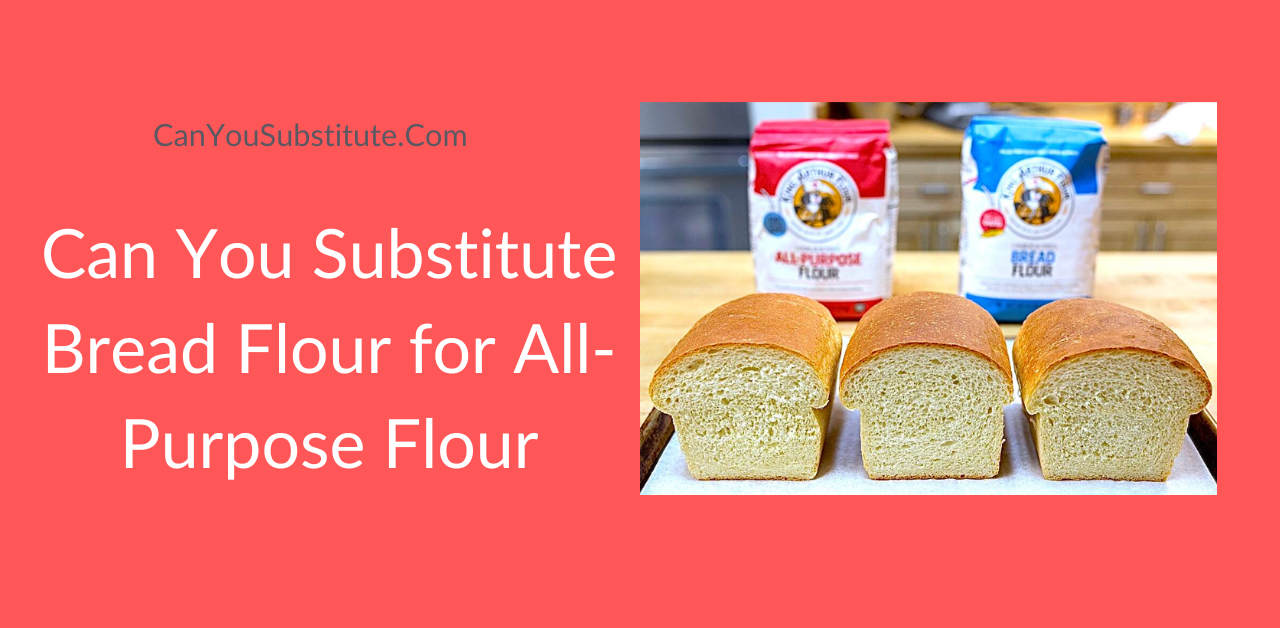
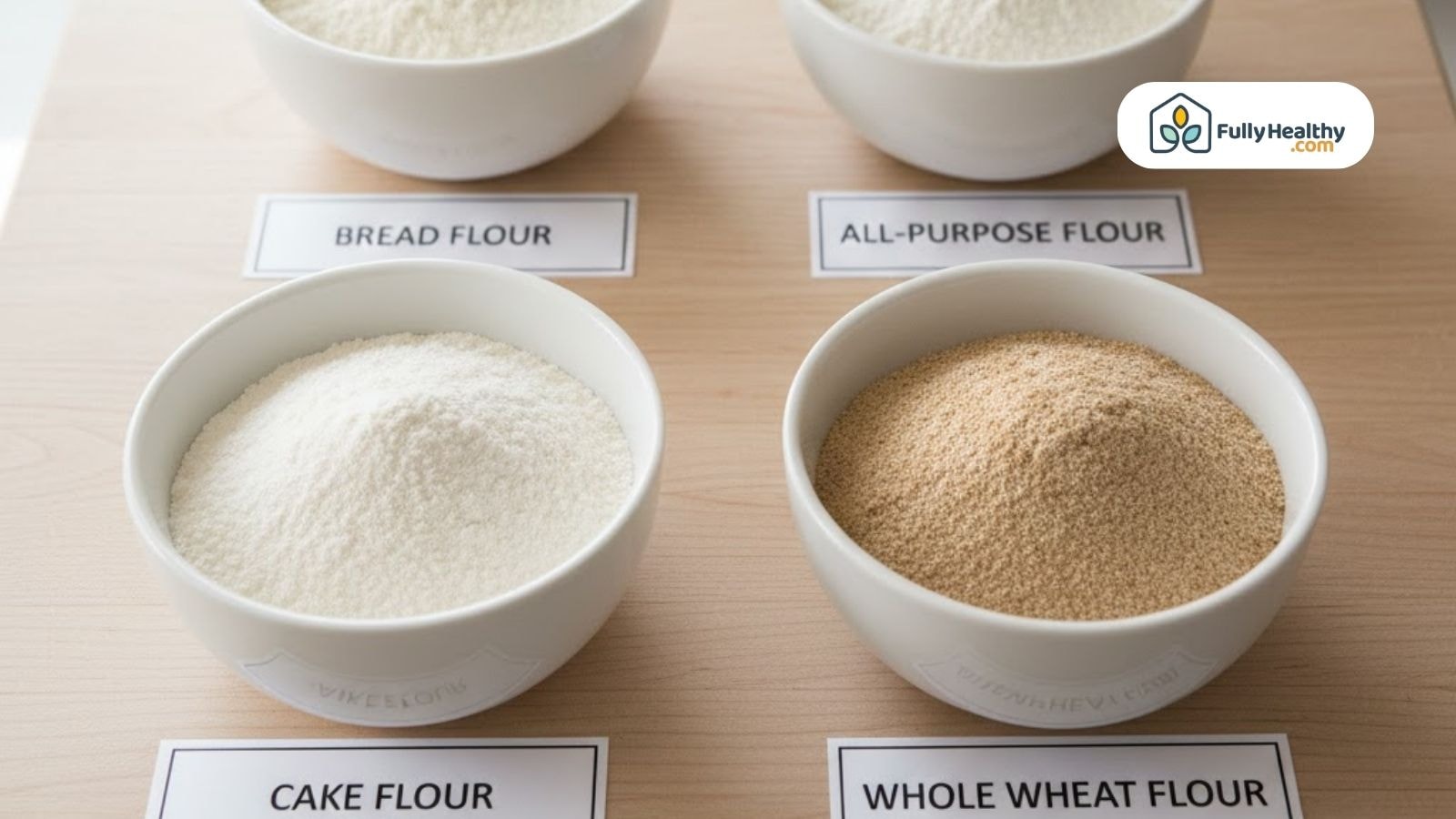
So, what exactly makes bread flour different? The main distinction lies in protein content. All-purpose flour typically contains around 10–12% protein, while bread flour packs a heftier 12–14%. That extra protein translates to more gluten formation, which gives bread its signature chewiness and sturdy structure. When you substitute bread flour for all-purpose, you're essentially introducing a dough that's stronger and more elastic. This means your baked goods may come out with a slightly chewier texture and a bit more structure — which is fantastic for pizzas, pretzels, and sandwich loaves. For cookies and cakes, the difference is usually subtle enough that most people won't even notice.
Here's where things get truly fun. Think about some of your favourite recipes — cookies, pizza dough, scones, muffins — and imagine giving them a bread flour upgrade. Chocolate chip cookies made with bread flour tend to develop an incredible bubble and chew on the edges while staying soft in the middle. Pizza dough benefits enormously from bread flour, yielding a crust with satisfying pull and a beautifully crisp base. Even banana bread can handle the swap without major issues, often coming out with a sturdier crumb that slices cleanly for days. The key takeaway is that bread flour is surprisingly versatile and rarely ruins a recipe — in most cases, it actually improves it.
Must Read
Of course, there are some practical tips to keep in mind when making the switch. Because bread flour absorbs more water than all-purpose, you may need to add a splash of extra liquid — usually a tablespoon or two per cup of flour — to keep your dough or batter from becoming too dry. Also, allow for slightly longer kneading or resting times, since the stronger gluten network requires a bit more development to relax. If you're making quick breads or muffins, be careful not to overmix, as the extra protein can turn a tender crumb tough. Think of it as a gentle nudge rather than a hard rule: watch your dough, trust your senses, and adjust as needed.
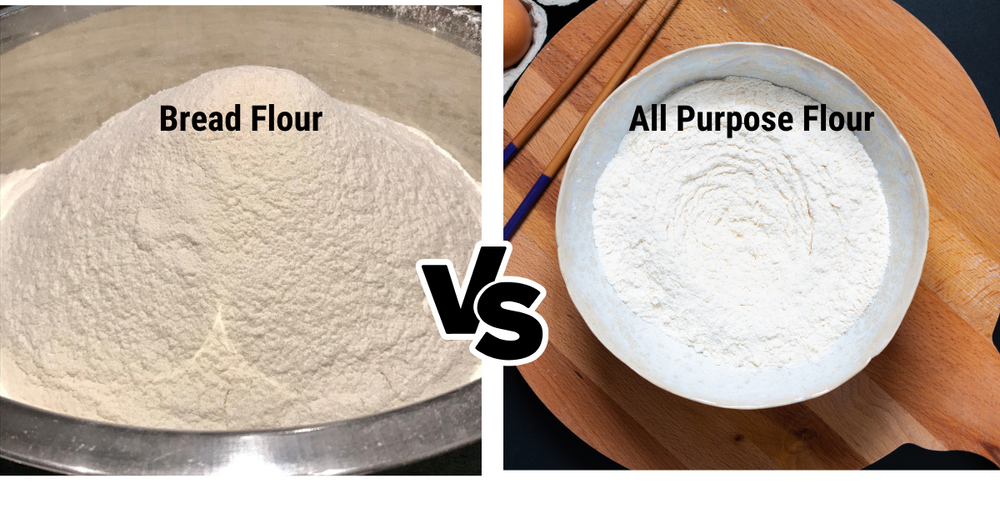 Bread Flour vs All Purpose | What Are The Differences Between Bread
A creative idea worth exploring is using bread flour for your breakfast favorites. Imagine fluffy pancakes with just a touch more chew, or cinnamon rolls that hold their soft, layered swirl for hours after baking. French toast batter sits beautifully on bread flour–based pancakes, absorbing just the right amount of egg mixture. You can also try switching bread flour into your grandmothers' classic scone recipes — the result is often a crisper top and a more defined, professional-looking texture. Once you start experimenting, you'll quickly realize that bread flour doesn't limit you; it actually unlocks new possibilities in every corner of your baking routine.
The bottom line is this: flour is one of the most forgiving ingredients in your kitchen. Swapping bread flour for all-purpose is not only perfectly possible — it's often a delicious upgrade. Keep a bag of both on hand if you can, know that one can replace the other in a pinch, and don't be afraid to experiment freely. The more you play around with these substitutions, the stronger your instincts become as a baker. After all, the best kitchens are built on curiosity, a little bit of science, and the courage to try something new — even when you realise you're missing a key ingredient. So grab that bread flour, fire up the oven, and enjoy every satisfying bite.