Can Twins Have Different Hair Colors

You’re at the grocery store, and you see them: two little kids in the same stroller, grinning with the same mischievous sparkle. One has a shock of bright carrot-red hair, the...
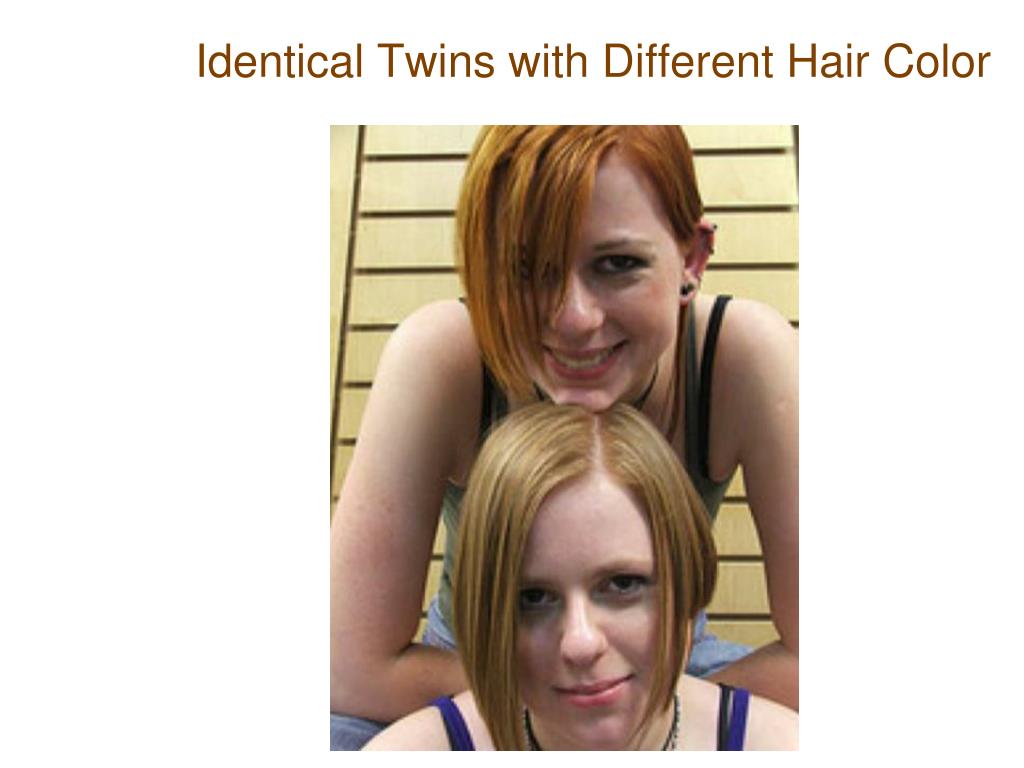
You’re at the grocery store, and you see them: two little kids in the same stroller, grinning with the same mischievous sparkle. One has a shock of bright carrot-red hair, the other a head full of golden-blonde curls. Wait a minute—aren’t they twins? You do a double-take, wondering if your eyes are playing tricks. It’s a scene that stops you in your tracks, and honestly, it’s one of those everyday mysteries that just begs for a good story.
The Quick Answer (Don't Worry, It's Not Magic)
Yes, twins can absolutely have different hair colors. It’s not a glitch in the matrix or a secret adoption plot twist—it’s all about the wonderful, wacky world of genetics. Think of your DNA as a giant toolbox, and hair color as a project that takes tools from both parents.
Even if both parents have the same brown hair, they might carry hidden “blonde” or “red” tools passed down from their own grandparents. Twins are like two different kids building their hair color from the same set of blueprints, but each one might grab a slightly different mix of tools.
Must Read
Identical vs. Fraternal: The Big Difference
Here’s where it gets really fun. If the twins are fraternal (which is way more common), they’re basically just siblings born at the same time. They share about 50% of their DNA, just like you and your brother or sister. So of course, one can get your mom’s chestnut-brown hair while the other gets your dad’s strawberry-blonde.
Now, identical twins start from the same fertilized egg, meaning they share nearly 100% of their DNA. You’d think they’d always match, right? Well, usually they do, but life likes to throw curveballs. A random genetic tweak during development, or even something as simple as a sunny summer spent at the beach, can make one twin’s hair a shade lighter than the other’s.
I once met a pair of identical twin women in their 40s. One had deep auburn locks, the other a soft honey-brown. They laughed and told me they used to trick their teachers, but as adults, the sun had “rewritten” one of their hair colors over the years.
What About Redheads and Blondes in the Same Family?
Here’s the most delightful part: the gene for red hair is a recessive superpower. It’s like a secret ingredient that only shows up when both parents pass along the recipe. If both twins inherit that recipe, you get two gingers. But if only one twin gets the double dose? Boom—you get a fiery redhead and a blonde or brunette sibling.
This happened to my neighbor’s kids, a set of fraternal twins named Leo and Maya. Leo has hair the color of a pumpkin spice latte, and Maya has hair like golden wheat. Their mom has brown hair, their dad has black hair, and the whole family jokes that Leo borrowed his great-uncle’s hair from a photograph in the hallway. It’s a living, breathing family tree.
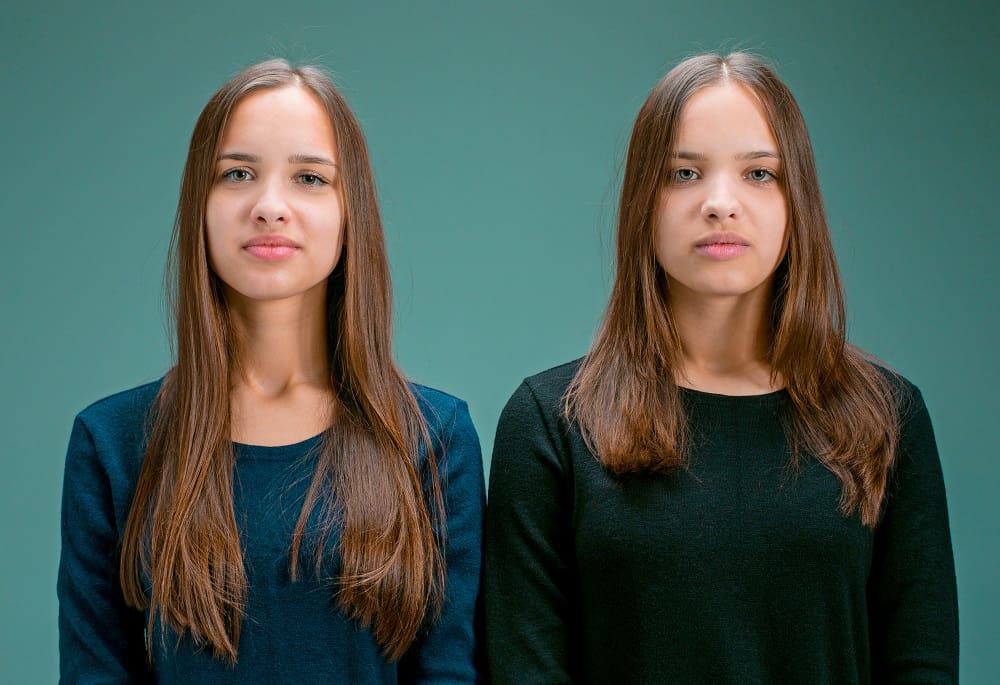 Can Fraternal Twins Have Different Hair Colors - 2025 HairStyles Ideas
Why Should You Even Care?
Okay, real talk: why does this matter to you, standing in line at the coffee shop or scrolling on your phone? Because it’s a reminder that people are beautifully unpredictable. We’re all walking around with hidden threads of our great-grandparents, quirky cousins, and ancient ancestors woven into our hair, eyes, and smiles.
When you see twins with different hair colors, it’s not a mistake—it’s a mini-miracle. It shows you that even when two people start from the exact same starting line, they can end up with completely different stories to tell. And isn’t that just the most human thing you’ve heard all day?
A Little Science, Made Simple
Hair color is controlled by a handful of genes, not just one. Think of it like a paint-mixing party. One gene decides how much dark pigment (eumelanin) you get, and another decides how much red or yellow pigment (pheomelanin) you get. Twins are just two party guests who might mix the paint a little differently.
In fraternal twins, it’s easy: they’re like two different art projects from the same supply cupboard. In identical twins, the paint usually ends up the same, but a tiny spill or a different brushstroke can make one just a shade lighter or darker with age. It’s the same song, but sometimes they sing it in a slightly different key.
So the Next Time You See Them…
Instead of staring (we’ve all been there, it’s hard not to), just give them a little smile. You now know the secret: they’re just two people showing off the beautiful chaos of their family history. It’s like seeing a jigsaw puzzle where two pieces look different but still fit perfectly into the same box.
And maybe, just maybe, it’ll make you look at your own family album with fresh eyes. You might spot an aunt with hair like a sunset and a cousin with hair like a moonlit night, wondering where it all came from. That, my friend, is the kind of everyday wonder that makes life a little more interesting—one twin at a time.
