Can Pears Go In The Fridge

We’ve all been there, staring at a beautiful, blushing pear on the counter, wondering if it would be happier in the cool, dark abyss of the fridge. Honestly, it’s one of the m...
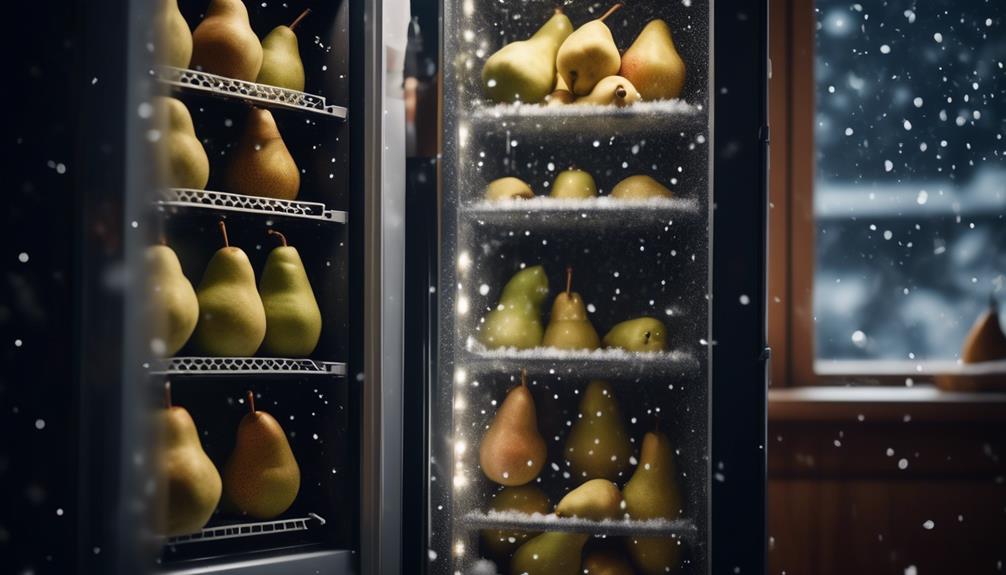
We’ve all been there, staring at a beautiful, blushing pear on the counter, wondering if it would be happier in the cool, dark abyss of the fridge. Honestly, it’s one of the most common kitchen dilemmas, right up there with the avocado debate. Pears are a staple in fruit bowls and lunchboxes everywhere, prized for their delicate sweetness and buttery texture. But their fragile nature makes storage a genuine puzzle. Getting it wrong means a bruised, mealy mess; getting it right means a perfect, juicy bite every single time. It matters because, for families and individuals alike, knowing how to handle this fruit saves money, reduces food waste, and guarantees a better snack.
The real reason this matters goes beyond just pear-perfection. For a busy parent packing a school lunch, a sad, brown pear is a heartbreak (and a wasted dollar). For a single person trying to eat well, seeing fruit spoil before they can enjoy it is a major downer. The direct benefit is less waste and more delight. When you understand the fridge’s role, you take control of your grocery budget and your daily enjoyment. Communities benefit too—less food waste in landfills means a healthier planet. It’s a small piece of kitchen knowledge that has a surprisingly large ripple effect on your wallet and the environment.
Let’s look at a real-life example. Imagine you buy a bag of Bosc pears from the farmer’s market on Sunday. They are rock-hard. If you toss them straight into the fridge, they will stay rock-hard for weeks, never ripening. You’ll be doomed to crunch on a tasteless, starchy slab. But if you set them on the counter for two days, they soften beautifully. Then, once they yield gently to a thumb press, you move them to the fridge. Boom. You now have a perfectly ripe pear that will last another five to seven days, ready for snacks or a cheese plate. That’s the magic: the fridge is a pause button, not a ripening room.
Must Read
Another common scene: you have a fruit bowl on the counter, a banana giving off ethylene gas, and a few pears sitting next to it. Without thinking, you might put the pears in the fridge to protect them. Bad move. The ethylene from the banana will only speed up ripening in the fridge, but at a cold temperature, the pear’s cell walls break down unevenly. The result? A pear that is mealy and gritty on the outside but still hard in the center. Instead, keep pears away from bananas on the counter, check them daily, and only move them to the fridge when they’re just ripe. This simple tweak ensures your pear salad or afternoon snack is never a disappointment.
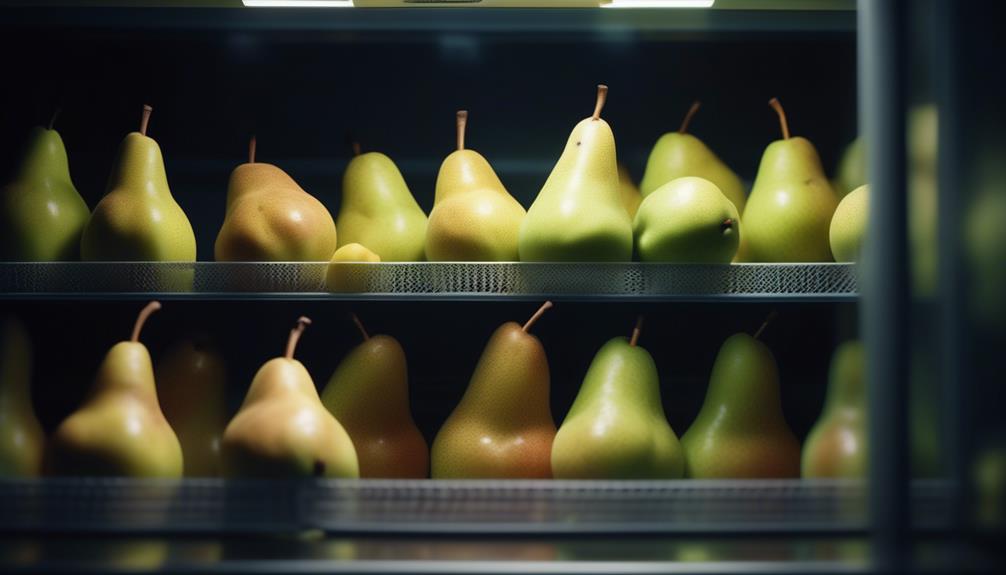 Can You Put Pears in the Fridge - Sarah Scoop EATS
So, here are the practical steps. First, never refrigerate an unripe pear. Let it sit on the counter at room temperature until it gives slightly near the stem. Second, once ripe, pop it into the fridge’s main compartment (not the low-humidity crisper drawer) to slow down further ripening. Third, remove the pear from the fridge 30 minutes before eating to restore its full flavor and silky texture. Finally, if you have a lot of pears, slice and freeze them for smoothies or baking—they keep for months. These tiny habits turn a tricky fruit into a hassle-free, everyday joy.
Embracing the fridge as a tool, not a default home for pears, is a small but powerful shift. It turns a moment of “oh no, it’s gone bad” into “yes, it’s perfectly ready.” Whether you’re a home cook, a parent, or someone who just loves a good snack, this knowledge is pure gold. So go ahead—treat your pears with respect, use the fridge wisely, and enjoy every sweet, juicy moment. Your kitchen (and your taste buds) will thank you.
