Can Parchment Paper Be Put In The Oven

There’s something quietly satisfying about a topic that solves a tiny, everyday kitchen mystery—and whether you can put parchment paper in the oven is one of those delightfull...
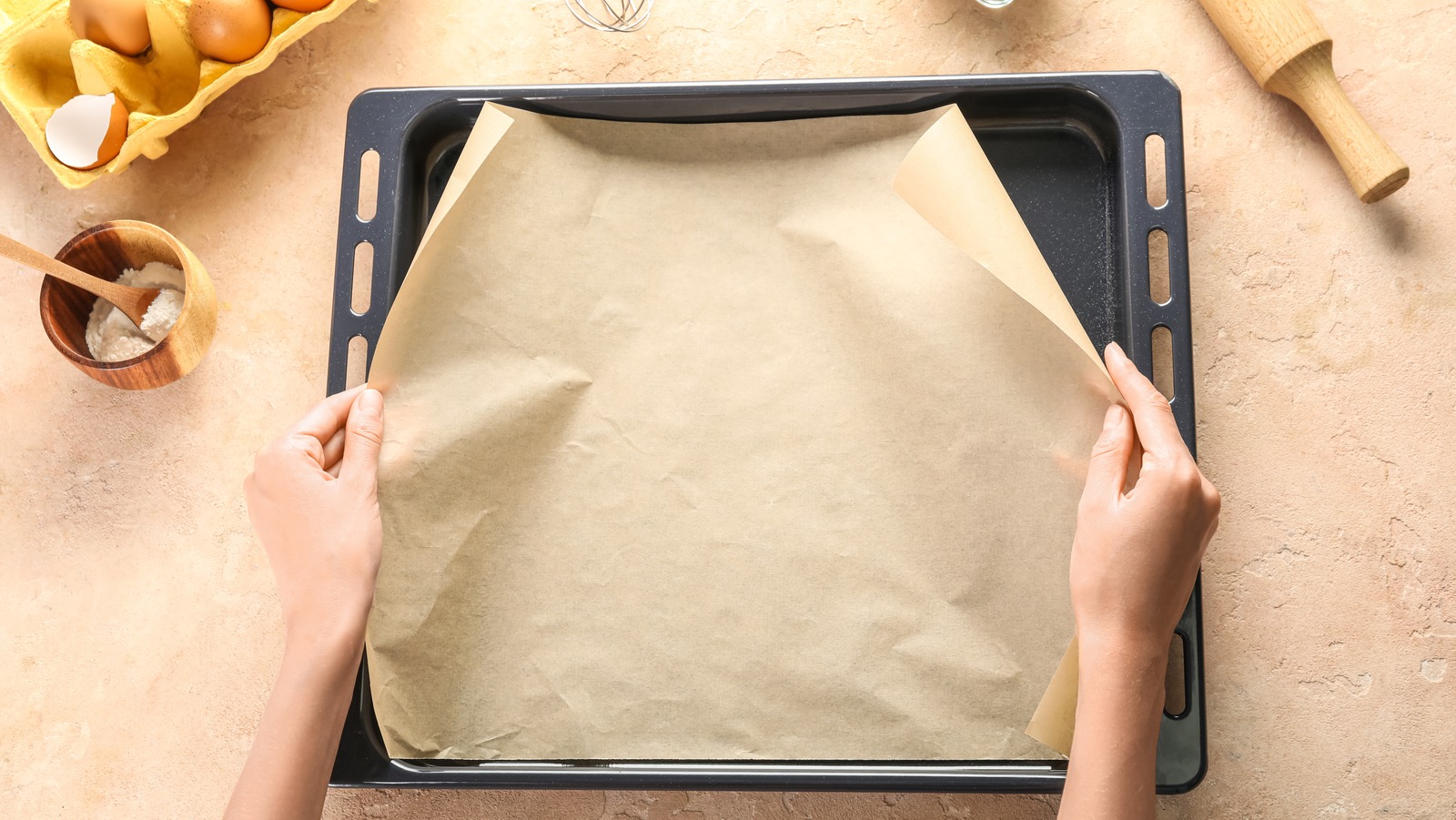
There’s something quietly satisfying about a topic that solves a tiny, everyday kitchen mystery—and whether you can put parchment paper in the oven is one of those delightfully practical questions. It’s a subject that brings joy because it touches everyone who’s ever pulled a baking sheet out of the oven, only to find a stuck-on mess. For the home baker, the meal-prepper, or the occasional cookie monster, parchment paper is a miracle worker: it prevents sticking, makes cleanup a snap, and even helps food brown evenly. Whether you’re roasting vegetables for a weeknight dinner or baking a batch of chocolate chip cookies, knowing how to use it safely means less stress and more delicious results.
The primary purpose of parchment paper is to create a non-stick, heat-resistant barrier between your food and the pan. This simple sheet saves you from scrubbing burnt cheese off a sheet pan or wrestling with a cake that refuses to leave the tin. The benefits are huge: you use less oil or butter, your pans stay pristine, and your cooking becomes more predictable. For someone new to cooking, it’s a confidence booster—no more ruined dinners. For the experienced baker, it’s a non-negotiable tool. Common variations include bleached (white) and unbleached (brown) parchment, which perform identically, and pre-cut sheets that fit standard pans. You might also find reusable silicone baking mats as an eco-friendly alternative, but parchment remains the champion for convenience.
So, can you put parchment paper in the oven? The short answer is a resounding yes, but with a handful of crucial caveats. Most parchment paper is oven-safe up to about 425°F (218°C), though some brands handle up to 450°F. Always check the packaging for the specific temperature limit—this is non-negotiable. The paper is treated with a thin layer of silicone, which gives it its non-stick magic and heat resistance. If you exceed that temperature, the paper can char, smoke, or even catch fire. Also, never use parchment under a broiler—the direct heat is too intense. And avoid using it on a grill with the lid closed, as open flames can reach it quickly.
Must Read
When you first use parchment paper, it’s tempting to just rip a sheet off and toss it in. But a few simple tricks make all the difference. For baking cookies or roasting veggies, crumple the sheet first under running water, then flatten it out—this helps it stay put on the pan without curling up. If you’re lining a cake pan, trace the bottom on the paper and cut it out for a perfect fit. For sheet pans, let the paper overhang a bit on the ends to create easy “handles” for lifting out food. And while parchment is often reusable if it’s not greasy or burnt, it’s designed for single use—so toss it after a heavy round of roasting.
A common mistake is confusing parchment paper with wax paper. They look similar, but wax paper is a dangerous no-go in the oven. Wax paper is coated with paraffin wax, which melts and can ignite at temperatures above about 350°F. Use it only for wrapping sandwiches or rolling dough. Parchment, on the other hand, is silicone-coated and built for heat. Another point: recycling parchment is tricky because of the silicone coating—it’s best to compost it if it’s unbleached and free of food residue, or simply throw it in the trash.
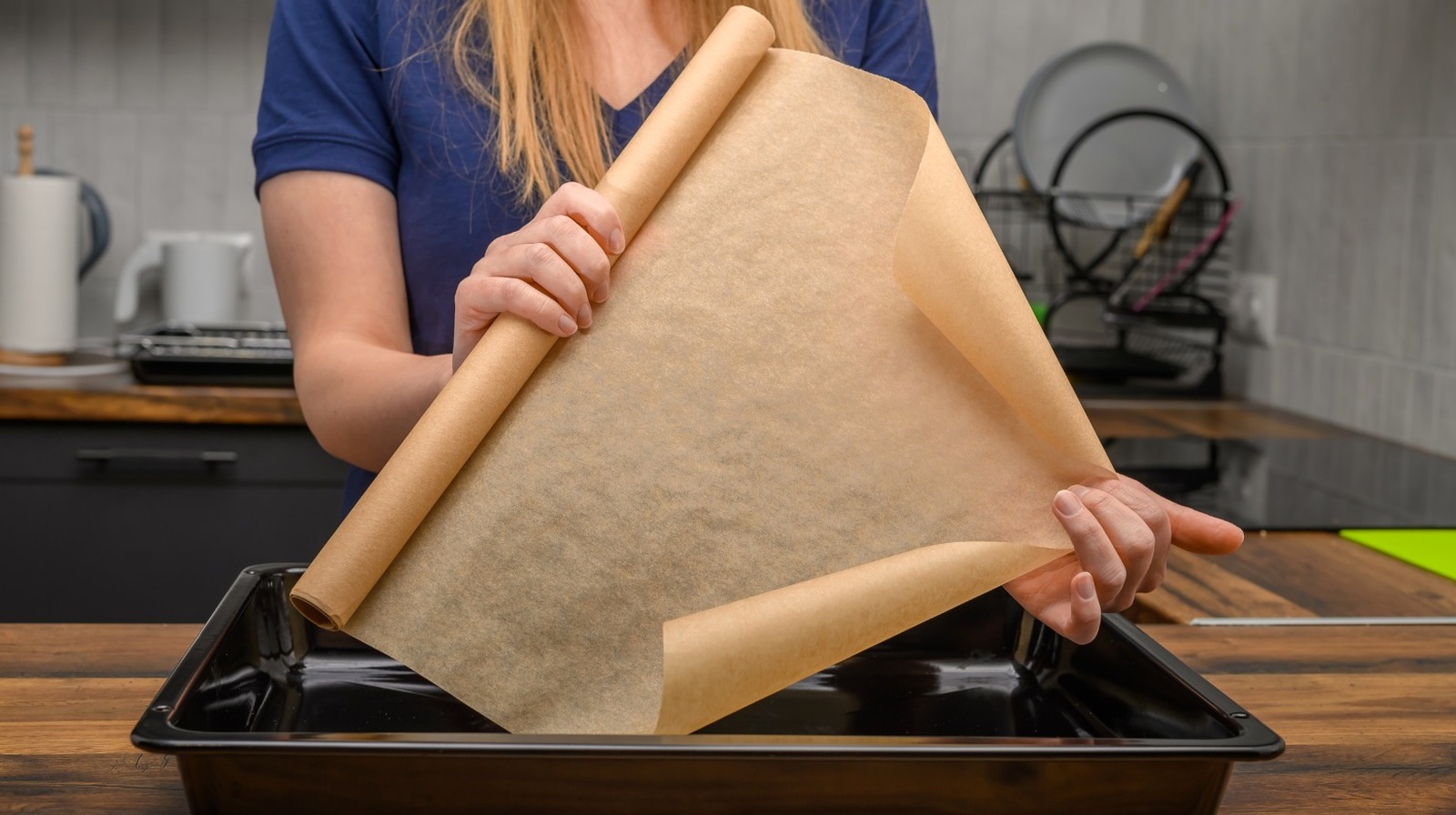 Parchment Paper In Oven
For the most satisfying experience, start with a trusted brand that clearly states its temperature range (like Reynolds or If You Care). Test a small piece in your oven at your typical baking temperature before committing a full batch of cookies. And remember: parchment paper is a tool, not a promise. If you overload it with very wet ingredients at high heat, it can still tear. Use it for roasting vegetables, baking fish en papillote (in a sealed pouch), or rolling out sticky dough without extra flour. The versatility is endless, from lining air fryer baskets to covering leftovers in a pinch.
In the end, parchment paper is one of those humble kitchen heroes that makes life easier without much fuss. It’s affordable, widely available, and incredibly forgiving—as long as you respect its limits. So go ahead, line that sheet pan, slide it into the oven at 400°F, and let the easy cleanup be your reward. Whether you’re a seasoned cook or a novice baker, parchment paper is a yes—just keep it away from the broiler and give it a little crinkle before it hits the heat. Happy baking!
