Can Onions Be Kept In The Refrigerator

Onions are one of the most versatile and beloved ingredients found in kitchens around the world. Whether used to build a flavorful base for soups, caramelize into a rich toppi...

Onions are one of the most versatile and beloved ingredients found in kitchens around the world. Whether used to build a flavorful base for soups, caramelize into a rich topping for burgers, or blend into a fresh salad, their sharp bite transforms ordinary dishes into something memorable. Because onions are a staple in so many households, knowing how to store them properly becomes essential for keeping them fresh, safe, and ready to use whenever inspiration strikes in the kitchen.
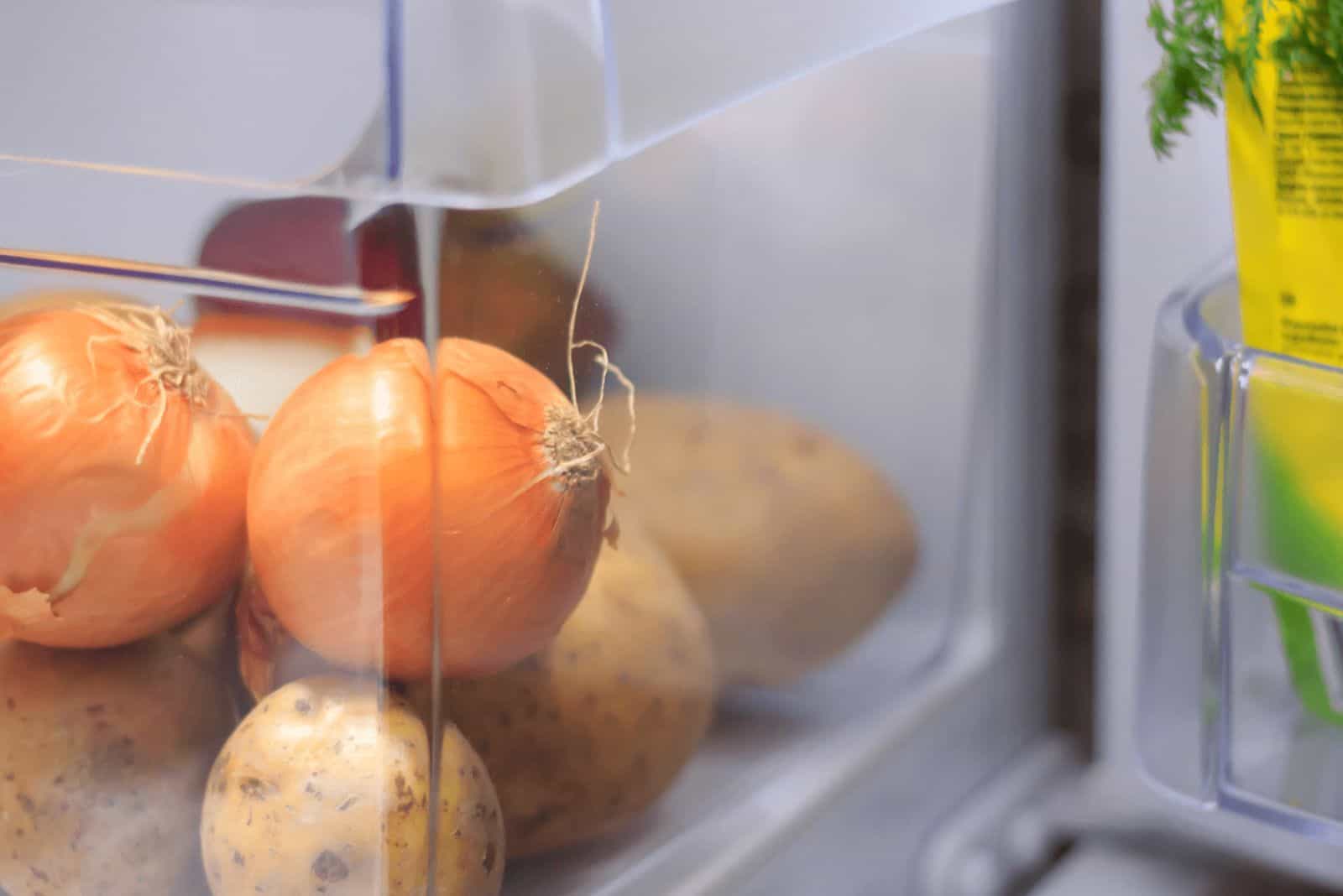
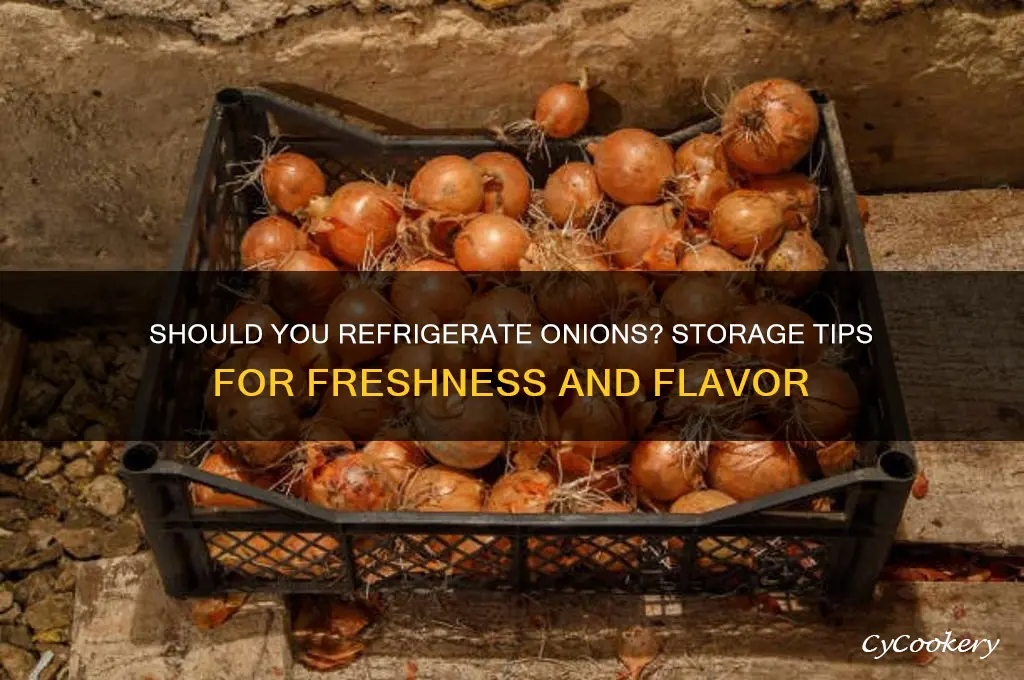
The question of whether onions can be kept in the refrigerator is a common one among home cooks. The answer is: it depends. Whole, unpeeled onions thrive at cool room temperature with good air circulation, where they can last for several weeks. However, refrigeration is highly recommended already for onions that have been peeled, sliced, or cut in any way. Once the protective outer skin is removed, the exposed flesh begins to oxidize and absorb moisture, making the refrigerator the ideal environment to preserve freshness and prevent spoilage.
Think about a practical everyday scenario: you buy a large bag of onions but only need half for tonight's stir-fry. Leaving the remaining portion on the countertop in a humid kitchen can lead to sprouting or softening within a few days. Storing the cut half in an airtight container and placing it in the refrigerator can extend its usable life by up to a week or more. This small habit not only saves money by reducing food waste but also ensures you always have a ready-to-go ingredient for quick weeknight meals.
Must Read
For those who wonder about the —btn which colder temperature may affect onions’ flavor and texture, research suggests that refrigerating whole onions can make them slightly more watery and less crisp. The cold breaks down the starches into sugars more slowly, subtly altering taste. This is why experienced chefs often recommend keeping whole onions in a cool, dry pantry or mesh bag. However, once sliced or diced, the trade-off is well worth it, since the refrigerator clearly slows down bacterial growth and enzymatic browning.
Here are a few simple tips to help you manage onion storage with confidence. First, always store cut onions in a sealed container—glass or BPA-free plastic works well—to prevent their pungent odor from seeping into other foods. Second, keep whole onions away from potatoes, as both produce gases that accelerate each other's decay. Third, if you notice an onion developing soft spots, mold, or an unusually strong ammonia-like smell, discard it immediately. Trust your senses; they are often the quickest way to detect spoilage.
 Should You Refrigerate Onions? Storage Tips For Freshness And Flavor
Another helpful strategy is to portion onions before freezing them. Chopped or diced onions can be spread on a baking sheet, flash-frozen, and then transferred to a freezer bag for long-term storage. This method works beautifully for people who cook frequently but do not use onions daily. You can simply pour out the exact amount you need straight from the freezer into a hot pan. It is a time-saving trick that keeps things efficient without sacrificing quality.
In closing, storing onions in the refrigerator after they have been opened or cut is not only possible but also a smart practice for everyday kitchen management. Whole onions benefit from dry, ventilated conditions, while prepared ones clearly need the cold. By understanding these differences and applying a few straightforward storage rules, you can maximize freshness, minimize waste, and always have this essential ingredient within arm's reach for your next delicious culinary creation.