Can Oil Be Substituted For Butter In Cookies

When it comes to baking cookies, butter has always been the star of the show. But here's the thing — not everyone likes handling butter, and some bakers have started reaching...

When it comes to baking cookies, butter has always been the star of the show. But here's the thing — not everyone likes handling butter, and some bakers have started reaching for oil instead. Whether it's because of dietary preferences, convenience, or just plain curiosity, the question of swapping oil for butter has become a popular one in home kitchens. So, can you really do it? Let's break it down in a way that makes total sense, and honestly, it's simpler than you might think.
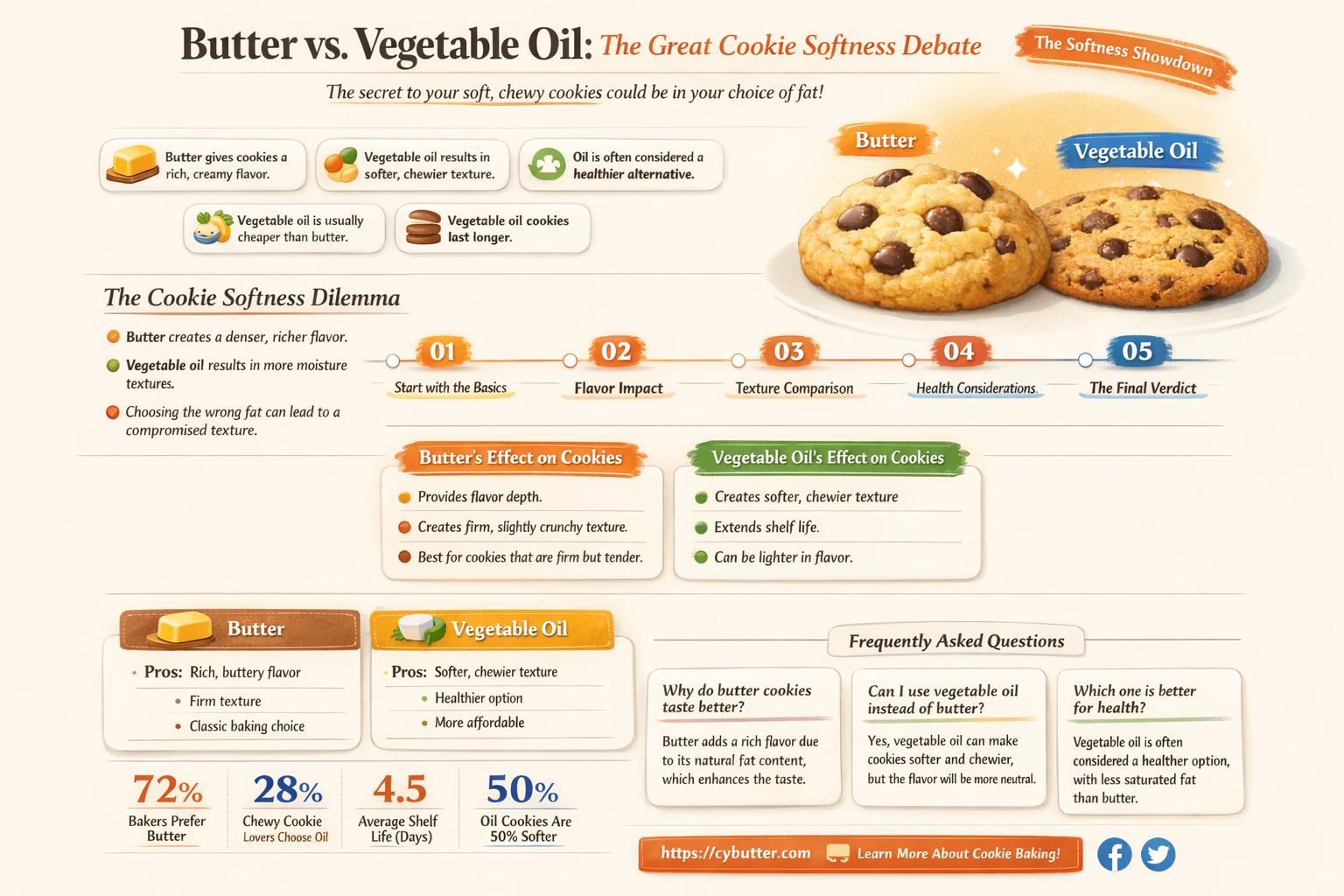
The first thing to understand is that butter and oil are both fats, but they behave differently when you're mixing up a batch of cookies. Butter contains water and milk solids, which help cookies develop a structured, slightly crumbly texture. On the other hand, oil is pure fat, which means it interacts with flour and sugar in a completely different way. This doesn't make oil a bad choice — it just means you need to adjust your approach a little. For example, oil-based cookies tend to be softer and more cake-like, while butter-based ones have that classic snap or firmness that most of us love. Neither is wrong; they're just different, and both have their fans.
So why do people even bother swapping butter for oil in the first place? There are plenty of reasons. First, oil — especially neutral varieties like vegetable, canola, or grapeseed oil — is shelf-stable and doesn't require refrigeration. That's a huge plus for families who want to keep baking ingredients on hand without worrying about spoilage. Second, oil is often cheaper than butter, which makes it a practical choice for anyone baking on a budget or in larger batches for community events, potlucks, or bake sales. Third, using oil makes cookies dairy-free, opening the door for those with lactose intolerance or anyone who simply prefers a plant-based approach. In real life, you'll see parents whipping up oil-based cookies for school functions because it's quick, affordable, and allergen-friendly — and the kids genuinely love them.
Must Read
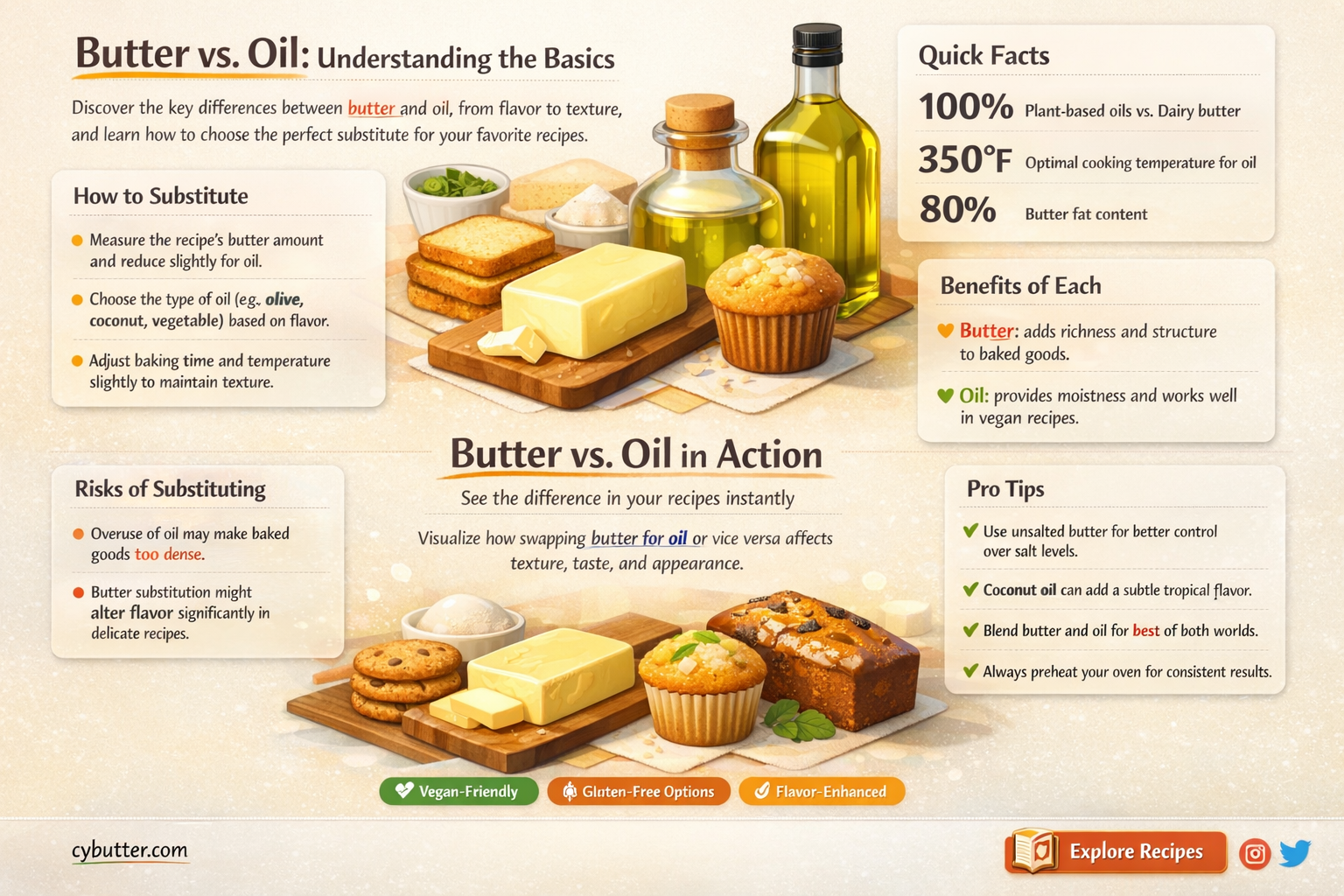
Now let's talk about how to actually make the swap work without ending up with a flat, greasy mess. The golden rule when substituting oil for butter is to use about ¾ the amount of oil compared to what the recipe calls for in butter. So if your cookie recipe asks for one cup of butter, you'd use roughly three-quarters of a cup of oil. Why? Because oil is denser and has no water content, so using a full replacement can make the dough too wet and cause the cookies to spread excessively in the oven. Another handy tip: chill your dough in the refrigerator for at least 15 to 30 minutes before baking. This step helps counteract the extra softness oil brings and gives you nicely shaped cookies that hold their form. You can also add a tablespoon or two of flour to the dough if it feels too thin — this gives it a little more body and structure. Real-life bakers often use thismethod when adapting butter-heavy recipes like chocolate chip cookies, and the results are surprisingly satisfying.
 Butter Vs. Oil: A Guide To Substituting In Your Favorite Recipes | CyButter
There's also the matter of flavor, and this is worth mentioning. Butter brings a rich, slightly sweet taste that oil simply can't replicate. If the chewy, buttery flavor is the non-negotiable part of your cookie experience, you might notice the difference obviously. However, oil-based cookies have their own charm — they're often more subtly flavored, which means other ingredients like vanilla, chocolate chips, or spices like cinnamon tend to shine through more clearly. Some bakers even prefer this because it creates a cleaner, less heavy taste profile. You can amp up the flavor by adding an extra splash of vanilla extract, a pinch of sea salt, or even a bit of brown sugar to bring back some of that warm richness you'd normally associate with butter. The choice ultimately comes down to what you and your family enjoy eating.
In the end, oil can absolutely be substituted for butter in cookies — you just need to know the right adjustments and set your expectations accordingly. From a practical standpoint, oil offers convenience, affordability, and flexibility, making it a fantastic option for busy households and community bakers alike. Whether you're whipping up a quick weeknight batch, preparing treats for a fundraiser, or simply exploring new baking methods, the oil-for-butter swap is a worthwhile experiment. The key is to stay open-minded, follow the basic ratios, and don't be afraid to tweak the recipe until it suits your taste. Baking should feel approachable and fun, not stressful — and knowing that a simple oil swap can still yield delicious cookies makes the whole process feel a lot more accessible to everyone. So grab that bottle of oil and give it a try — your next batch of cookies might just surprise you in the best way possible.