Can Milk Be Substituted For Almond Milk

So you just ran out of almond milk, huh? And now you're staring at that carton of regular milk wondering if it'll do the trick. Don't worry — I've been there, and I'm here to...
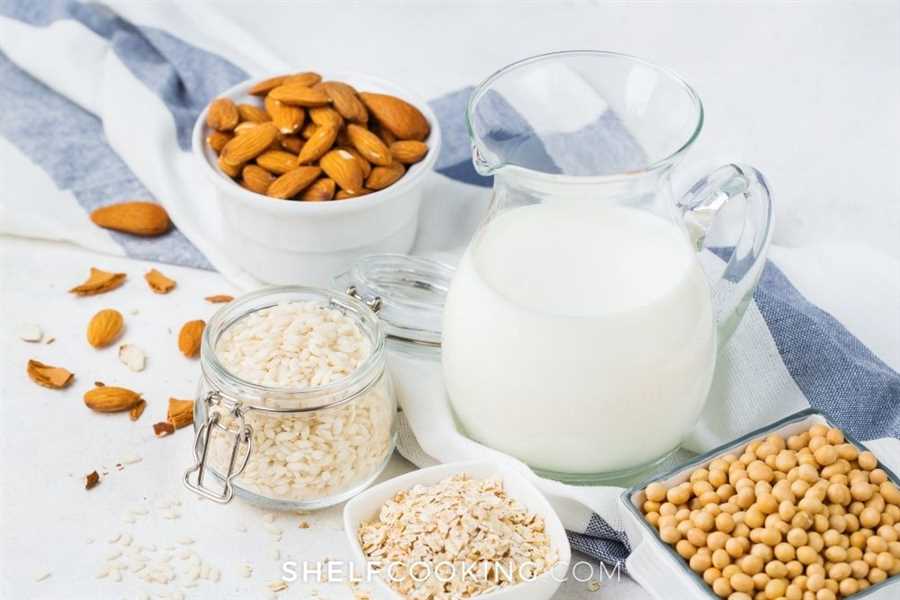
So you just ran out of almond milk, huh? And now you're staring at that carton of regular milk wondering if it'll do the trick. Don't worry — I've been there, and I'm here to tell you that life is way more fun when you stop stressing over kitchen swaps.
Short Answer: Absolutely, You Can!
Here's the good news first: yes, regular dairy milk can absolutely be substituted for almond milk in almost every recipe you can think of. Whether you're whipping up a smoothie, pouring over cereal, or baking a batch of cookies, cow's milk steps in like a reliable best friend. It's one of those simple swaps that can actually save your day.
Think about it — historically, people used regular milk for everything long before almond milk became trendy. So you're not doing anything wrong by reaching for classic milk instead. In fact, you might just rediscover why it's been a kitchen staple for centuries.
Must Read
That said, the swap isn't always one-to-one perfect. There are a few tiny differences worth knowing about so your recipe turns out just the way you want it. Let's dig into those details — because the more you know, the more confident you'll feel in the kitchen.
Texture and Flavor: What Changes?
Almond milk tends to be lighter and nuttier in flavor, while regular milk brings a richer, creamier taste to your glass. If your recipe depends on that nutty subtlety, you might notice a slight shift. But honestly? Most recipes won't bat an eye at this swap.
Creaminess is another thing to consider. Whole milk will make your dish noticeably richer than almond milk, while skim milk might feel a touch thinner. Choosing the right fat level of dairy milk lets you fine-tune the outcome — pretty cool, right?
For baked goods like muffins or pancakes, regular milk often gives a slightly fluffier texture. Almond milk, on the other hand, can keep things a bit more delicate. Neither is bad — just different, and sometimes difference is what makes cooking exciting.
Nutrition: Is One Better Than the Other?
This question always sparks friendly debates, and honestly, it depends on what your body needs most. Regular milk is packed with more protein and calcium per serving compared to most almond milk varieties. If building strength matters to you, dairy milk definitely pulls ahead here.
 How to Substitute Rice Milk for Almond Milk in Vegan Recipes
On the flip side, almond milk shines for people watching their calorie intake or living dairy-free. It also contains healthy fats and works beautifully for anyone with lactose sensitivities. So which one is "better"? The answer is wonderfully personal.
Isn't it refreshing to realize there's no single wrong choice? Both options have their time to shine, and switching between them keeps your diet interesting. Variety is genuinely the spice of life — even in your glass.
Where Substitutions Work Best
Cereals and granola are practically no-brainer territory for this swap. Your morning bowl won't even notice the difference, I promise you. You'll just enjoy breakfast with one less item on the grocery list.
Smoothies are another sweet spot. The fruit and greens usually overpower any mild flavor difference between the two milks. You'll get a delicious, nutritious drink no matter which carton you pour.
Baking is where things get a little more interesting. Regular milk tends to produce slightly denser results because of its extra fat and protein. Just adjust your other wet ingredients by a tablespoon or two, and you'll nail it every time.
Coffee and Lattes: A Bold Take
If you're a latte lover, you've probably noticed that almond milk froths differently than dairy milk. Regular milk creates that gorgeous microfoam baristas dream about. So swapping in cow's milk for your morning coffee could genuinely elevate your barista game at home.
 Evaporated Milk Substitute
Almond milk can sometimes curdle in hot acidic coffee — anyone who's experienced that knows the struggle. Dairy milk, by contrast, plays beautifully with espresso. Your taste buds (and your mood) will thank you for giving it a try.
Let's Talk About Allergies and Diets
This is where things get personal, and no amount of rabbit-boot-written advice should override your health needs. If you have a diagnosed dairy allergy or follow a strict plant-based lifestyle, then almond milk is your go-to — no debate. Your well-being always comes first.
But if you don't have those concerns, you are free to bounce between both milks as you please. Switching it up keeps your palate curious and your meals dynamic. Think of it as giving yourself permission to explore instead of following rigid rules.
Even people on keto or low-carb diets often prefer unsweetened almond milk for its minimal carb count. Regular milk works fine too when consumed in sensible portions. The point is that both fit comfortably into many healthy lifestyles.
Fun Ways to Experiment at Home
Why not try an experiment this week? Make the same overnight oats recipe twice — once with each milk type — and compare the results. You'll be surprised how much fun a simple taste test can become.
Challenge a friend to a smoothie swap-off using different base milks. Whoever creates the best combination wins bragging rights. It's the kind of lighthearted competition that turns an ordinary afternoon into something memorable.
 How to Substitute Unsweetened Almond Milk for Whole Milk
You could even keep a little tasting journal in your kitchen notebook. Writing down what you notice makes you more mindful of flavors and textures. Over time, you'll develop instincts that make you an effortless home cook.
Embrace the Joy of Simple Swaps
Life is already complex enough without agonizing over milk choices. The fact that both dairy and almond milk can step in for each other means you have vibrant options at your fingertips every single day. That kind of flexibility is genuinely wonderful.
Think about how this small mindset shift can spill over into other areas of your routine. Once you realize that swapping ingredients is a creative act rather than a compromise, cooking becomes so much more playful. The kitchen turns into a playground instead of a pressure cooker.
And here's what gets me most excited — every time you try a new substitution, you learn something valuable about how food works. That curiosity is what separates people who merely eat from people who truly savor their meals. You're building wisdom one glass at a time.
So the next time the kitchen surprise hits you from out of nowhere, remember that you've got options. Regular milk, almond milk, oat milk, soy milk — the possibilities are practically endless and incredibly exciting. Go ahead, pour what feels right, and let your taste buds lead the way.
Staying curious is the best gift you can give yourself in the kitchen and beyond. Every new recipe, every daring swap, every delicious discovery adds another brilliant color to your life's palette. Keep exploring, keep tasting, and keep believing that small changes can spark truly big joy — the adventure is just getting started!
