Can Keto Help With Rheumatoid Arthritis

So, you've heard the buzz about keto, right? It's like the new kid in school, everyone's talking about it. But can it really help with something as serious as rheumatoid arthr...
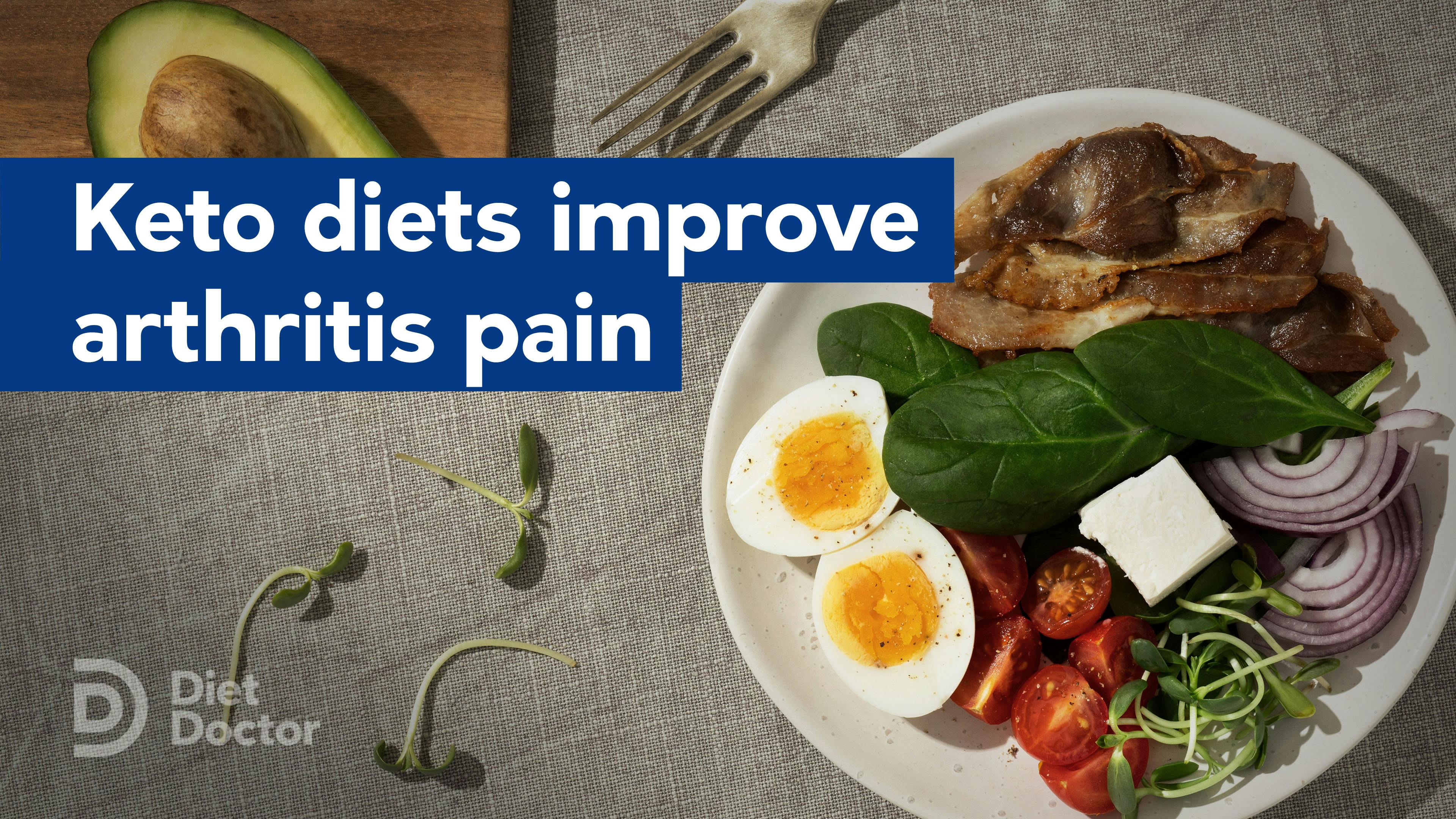
So, you've heard the buzz about keto, right? It's like the new kid in school, everyone's talking about it. But can it really help with something as serious as rheumatoid arthritis? Let's grab a coffee and chat about it.
First things first, what's the deal with keto?
Keto, short for ketogenic, is like a super strict low-carb diet. It's all about eating lots of fats, a bit of protein, and hardly any carbs. The idea is to get your body into a state called ketosis, where it starts burning fat for energy instead of carbs. It's like switching from regular to premium fuel in your car, you know?
Now, before we dive into the arthritis stuff, let's address the elephant in the room. Isn't keto just a fad diet for people trying to lose weight? Well, yes, it can help with that. But it's also used to manage certain health conditions, like epilepsy. So, it's not just a quick fix for beach season.
Must Read
Okay, so how does keto relate to rheumatoid arthritis?
Rheumatoid arthritis (RA) is a tricky one. It's an autoimmune disease, which means your immune system goes rogue and starts attacking your own body, causing inflammation and joint damage. It's like having a tiny, misguided army wreaking havoc inside you. Not cool.
Now, here's where keto comes in. Some studies suggest that the keto diet can help reduce inflammation in the body. And since inflammation is the enemy in RA, it's worth exploring, right? It's like finding a secret weapon to calm down that tiny, misbehaving army.
But does it really work?
Well, my friend, it's not a one-size-fits-all situation. Some people with RA have reported feeling better on the keto diet, with less joint pain and stiffness. But remember, everyone's body is unique, so results can vary. It's like trying on different pairs of shoes to see which ones fit best.
There's also some evidence that the keto diet can help improve insulin sensitivity, which is important because insulin resistance can contribute to inflammation. It's like giving your body's communication system a tune-up, so it can better manage inflammation.
But here's the thing, most of the studies on keto and RA are small or have some limitations. So, while the results are promising, we're not quite at the 'keto cures RA' stage yet. It's more like 'keto might help manage some symptoms of RA'.
 Keto Diet and Joint Pain: Exploring Benefits and Risks
So, should you try keto if you have RA?
If you're thinking about giving keto a shot, here are a few things to consider:
- Talk to your doc first. They know your health history best and can help you decide if keto is safe and suitable for you.
- It's a big change. Keto is a significant lifestyle change, so be prepared. It's like learning a new language, it takes time and effort.
- Monitor your meds. Some medications can interact with the keto diet, so keep an eye on that.
- Listen to your body. If something doesn't feel right, don't ignore it. Your body is your temple, after all.
Oh, and one more thing. Keto can be tough to stick to, especially in the beginning. So, be kind to yourself. It's okay if you slip up. It's like learning to ride a bike, you might wobble at first, but you'll get the hang of it.
But what about the keto flu?
You might have heard about the 'keto flu'. It's a real thing, but it's not actually the flu. It's just your body's way of adjusting to the new diet. Symptoms can include fatigue, headache, and brain fog. But don't worry, it usually passes within a week or two. It's like a little detox, your body's way of saying 'Hey, something's changed, let me adapt'.
So, there you have it. The lowdown on keto and RA. It's not a magic cure, but it might be worth exploring if you're looking for new ways to manage your symptoms. Just remember, it's always best to chat with your doc before making any big changes.
And hey, if you do give keto a try, let me know how it goes. I'm always here for a good chat, even if it's just to complain about carb withdrawal. Until next time, friend.
