Can I Use Yogurt Instead Of Sour Cream

Sour cream is a beloved staple in kitchens around the world, valued for its creamy texture, tangy flavor, and incredible versatility. Whether it is dolloped on a baked potato,...
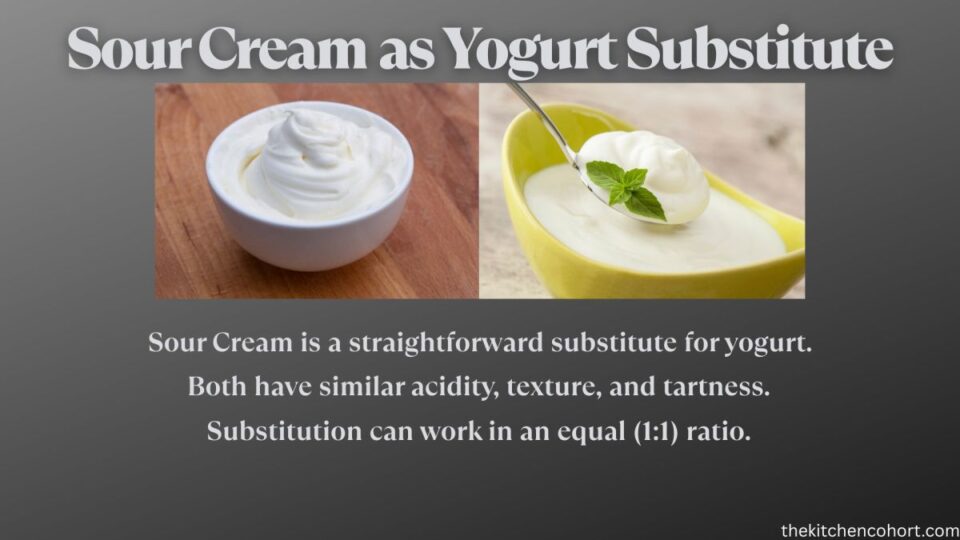
Sour cream is a beloved staple in kitchens around the world, valued for its creamy texture, tangy flavor, and incredible versatility. Whether it is dolloped on a baked potato, stirred into a creamy sauce, or used as a base for dips, it quietly enhances countless everyday dishes. However, many people find themselves without sour cream at the very moment they need it, or they may be looking for a lighter alternative to reduce calories and fat. This raises a simple yet remarkably practical question: can you use yogurt instead of sour cream?
The short answer is yes, and it works remarkably well in most recipes. Both sour cream and yogurt share a fermented, tangy profile that makes them nearly interchangeable as ingredients. The key purpose of this substitution lies in delivering that signature tang and richness while keeping the dish balanced. Plain, unsweetened yogurt — particularly Greek yogurt — comes closest to sour cream in both consistency and flavor, making it an ideal stand-in in dressings, baked goods, casseroles, and sauces. It can rescue a recipe at the last minute or intentionally lighten a dish without sacrificing taste.
The benefits of choosing yogurt over sour cream are worth considering for everyday life. Yogurt generally contains more protein, fewer calories, and less fat than its counterpart, which makes it a smart option for those who are health-conscious or watching their overall calorie intake. It is also more widely available in low-fat and fat-free varieties, giving cooks additional flexibility. Imagine a host preparing a taco spread for friends: using yogurt as a topping keeps the meal feeling lighter while still delivering that familiar, creamy tang everyone enjoys. Similarly, a parent swapping yogurt into a potato salad recipe can offer a slightly more nutritious version without children noticing a difference in flavor.
Must Read
One important detail to keep in mind is texture and heat behavior. Sour cream holds its shape and thickness better when exposed to heat, while plain yogurt tends to thin out more quickly. If you are simply stirring yogurt into a cold dip or garnishing a finished dish, the swap is virtually seamless. However, in baking applications like muffins or bread, you may need to add slightly more liquid control to keep the batter from becoming too loose. Greek yogurt, being thicker than regular yogurt, often comes closest to mimicking sour cream's body in cooked dishes, so it tends to be the preferred choice among cooks who want a near-identical result.
Another practical tip is to pay attention to the fat content you are using. Full-fat Greek yogurt performs best as a direct 1:1 replacement for sour cream because its richness closely mirrors the original ingredient. If you opt for a low-fat or fat-free yogurt, a small amount of added cream cheese or a splash of heavy cream can restore the missing body. This simple adjustment ensures that your dish maintains its intended mouthfeel without requiring a trip to the store for the real thing.
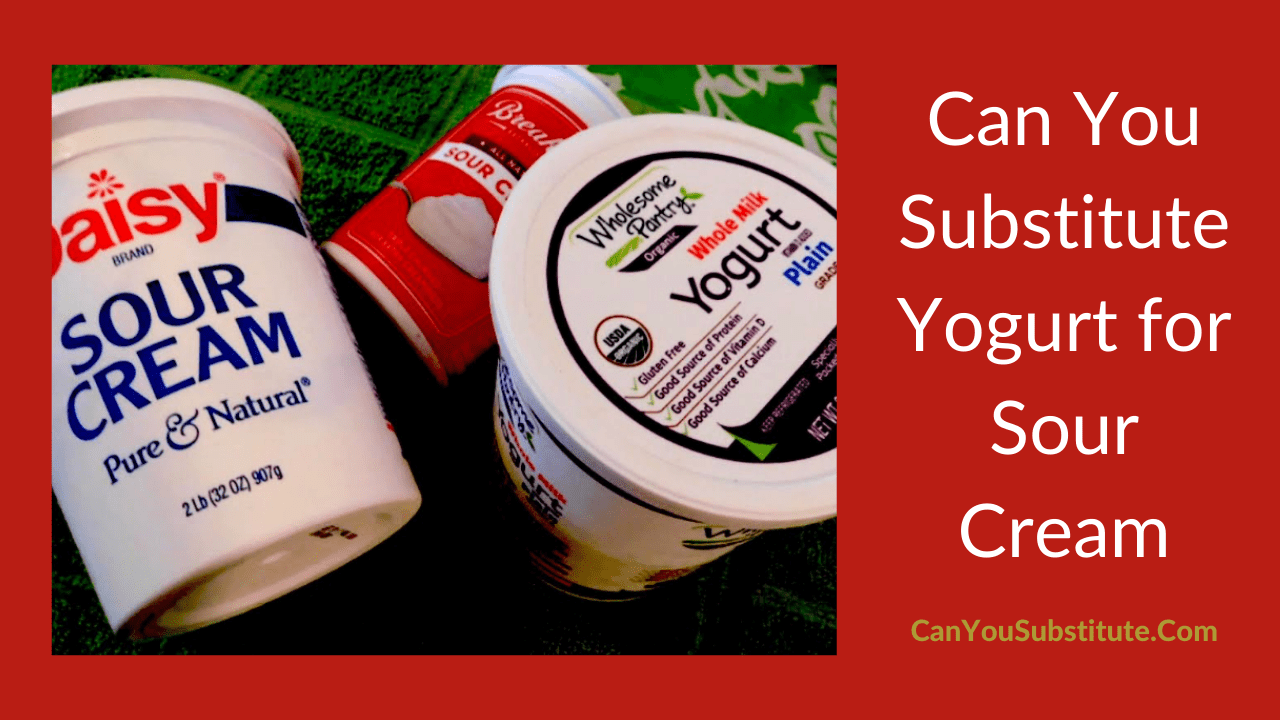 Can You Substitute Yogurt for Sour Cream? - How Much Yogurt Should Be
To get the most out of this substitution, readers can experiment with a few straightforward approaches. First, start with a 1:1 ratio when replacing sour cream with yogurt to keep things simple and predictable. Second, choose plain, unsweetened varieties only, as flavored yogurts will introduce unwanted sugar and alter the savory profile of your dish. Third, taste as you go — yogurt can occasionally be slightly tangier than sour cream, so a pinch of sugar or a touch of seasoning can fine-tune the balance. Finally, keep Greek yogurt stocked in your refrigerator as a versatile pantry essential, ready to step in whenever sour cream runs out.
Ultimately, yogurt is more than a worthy substitute for sour cream; it is a smart everyday alternative that brings its own set of advantages to the table. Whether you are cooking from a recipe, improvising in the kitchen, or simply trying to make healthier choices without giving up flavor, this simple swap proves that small adjustments can make a meaningful difference in both convenience and nutrition.


