Can I Use White Sugar Instead Of Brown Sugar

You know that moment when you're in the middle of baking and suddenly realize — oh no, you're completely out of brown sugar? (It happens to the best of us, trust me.) Well, th...
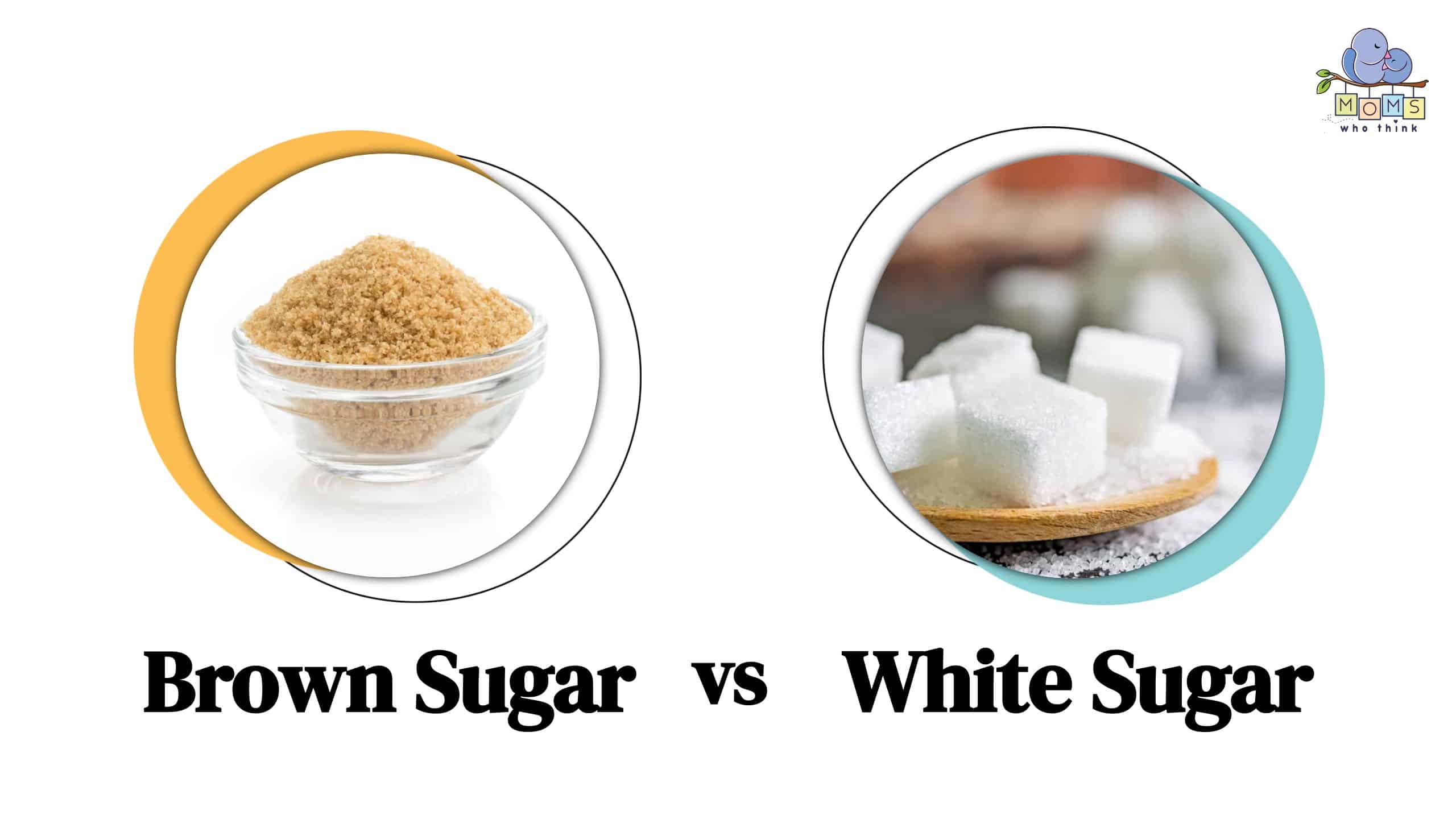
You know that moment when you're in the middle of baking and suddenly realize — oh no, you're completely out of brown sugar? (It happens to the best of us, trust me.) Well, the good news is, you can absolutely use white sugar as a substitute, and today we're going to talk about why, when, and how to make that swap work like a charm.
The Sweet Truth About Sugar Swaps
Sugar is sugar, right? Well, sort of. White sugar and brown sugar are actually the same base ingredient — sucrose — but brown sugar has molasses mixed into it, which gives it that darker color and a more complex flavor.
Think of it a bit like coffee versus espresso. They start from the same bean but end up speaking a very different language on your palate. Your white sugar is the calm, reliable friend who never lets you down in a pinch.
Must Read
What Actually Changes When You Swap?
When you replace brown sugar with white sugar in a recipe, you'll mostly notice a difference in color and texture. The final product won't have that lovely golden hue or that slightly sticky, soft crumb that brown sugar brings to the party. But honestly? Most people are surprised by how little else changes.
The flavor will be a touch less caramel-like, a bit more straightforward, and that's perfectly okay. Your cookies will still taste absolutely delicious — they'll just have a slightly cleaner, simpler sweetness instead of that warm, molasses-kissed depth.
And here's the fun part: nobody at the dinner table is going to blindfold-test your muffins and insist they taste different. (Okay, maybe one person in your life would, but you can judge them accordingly!)
:max_bytes(150000):strip_icc()/brown-sugar-vs-white-sugar-GettyImages-1263977584-0dae51b2103c4a3fadb7be5525e0afd7.jpg) Brown Sugar vs. White Sugar: What's the Difference?
Brown Sugar vs. White Sugar: What's the Difference?
How to Make the Swap Smartly
If you really want to keep things close to the original recipe, you can add a tablespoon of molasses for every cup of white sugar you use. That's essentially reverse-engineering brown sugar yourself — pretty clever, right? This little trick gives you most of that rich, warm color and flavor back.
Another tip: be mindful of how much moisture the recipe really needs. Brown sugar is naturally a bit wetter than white sugar, so swaps in breads or moisture-sensitive bakes might need a tiny adjustment. A splash of extra liquid here and there can work wonders!
And if you're making something like frosting or candy, keep in mind that white sugar creates a smoother, whiter result. So sometimes, swapping in white sugar is actually the better choice — it all depends on your goal.
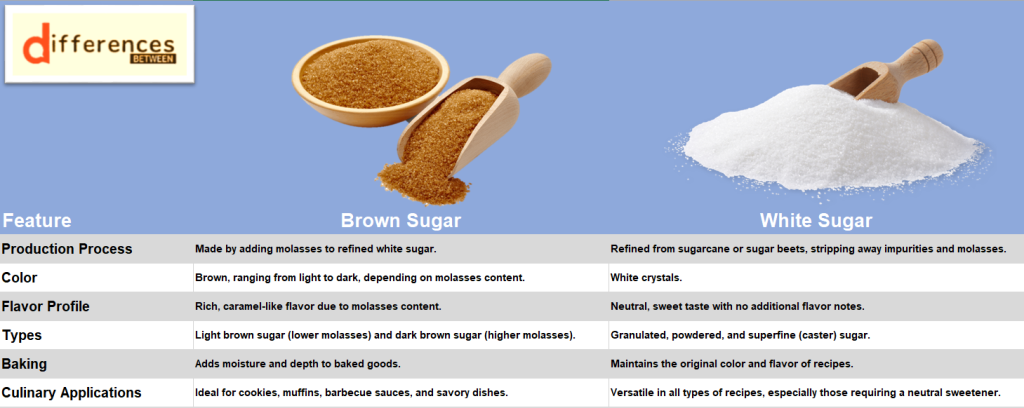 Decoding Differences: Brown Sugar vs White Sugar
When White Sugar Wins
There's something wonderfully freeing about realizing your pantry doesn't need to be perfectly stocked all the time. You can use white sugar confidently in cakes, cookies, brownies, pancakes, and a whole host of other recipes without worry.
Got a recipe for chewy chocolate chip cookies that calls for brown sugar? Use white sugar. Will they be a tiny bit crisper? Yes. Will they still disappear from the plate in under five minutes? Absolutely.
Cooking and baking are supposed to be fun, not a rigid science experiment where one missing ingredient sends you into a panic. Life's too short for kitchen stress over a simple sugar substitution.
 White Sugar vs Brown Sugar: Which is better? know the details
A Little Kitchen Wisdom
The more you experiment with swaps like these, the more confident you'll become in the kitchen. Suddenly, you start understanding what each ingredient actually does in a recipe, and that knowledge is incredibly empowering. It transforms you from someone who follows recipes into someone who truly reads them.
So the next time you reach for that bag of white sugar and see a call for brown, don't hesitate for a second. Make the swap, have fun, and taste the result with a big, proud smile.
Every time you adapt in the kitchen, you're really practicing an important life skill: being resourceful, creative, and fearless in the face of small surprises. And honestly, that mindset applies to so much more than just dessert.
So keep experimenting, keep tasting, and keep that sense of curiosity alive — because the kitchen is one of the most joyful classrooms on Earth, and you are right where you belong. 🎉
