Can I Use White Sugar Instead Of Brown

If you've ever stood in the kitchen, mid-recipe, and realized you're out of brown sugar, you've probably wondered: can I just use white sugar instead? The short answer is yes...
:max_bytes(150000):strip_icc()/brown-sugar-vs-white-sugar-GettyImages-1263977584-0dae51b2103c4a3fadb7be5525e0afd7.jpg)
If you've ever stood in the kitchen, mid-recipe, and realized you're out of brown sugar, you've probably wondered: can I just use white sugar instead? The short answer is yes — and millions of people around the world do it every single day. Sugar, in its many forms, is one of the most popular and essential ingredients in cooking and baking. Whether you're a seasoned baker or someone who just enjoys a sweet coffee in the morning, understanding how these two types of sugar compare can make your life a whole lot easier.
So why does this matter? Knowing when you can substitute white sugar for brown sugar saves you time and money. Not everyone keeps both varieties stocked in their pantry, and running to the store last minute can be frustrating. For families, this kind of knowledge means less stress during holiday baking or weekend meal prep. For communities, sharing these simple swap tips helps people make the most of what they already have at home. Resourcefulness in the kitchen starts with knowing your ingredients.
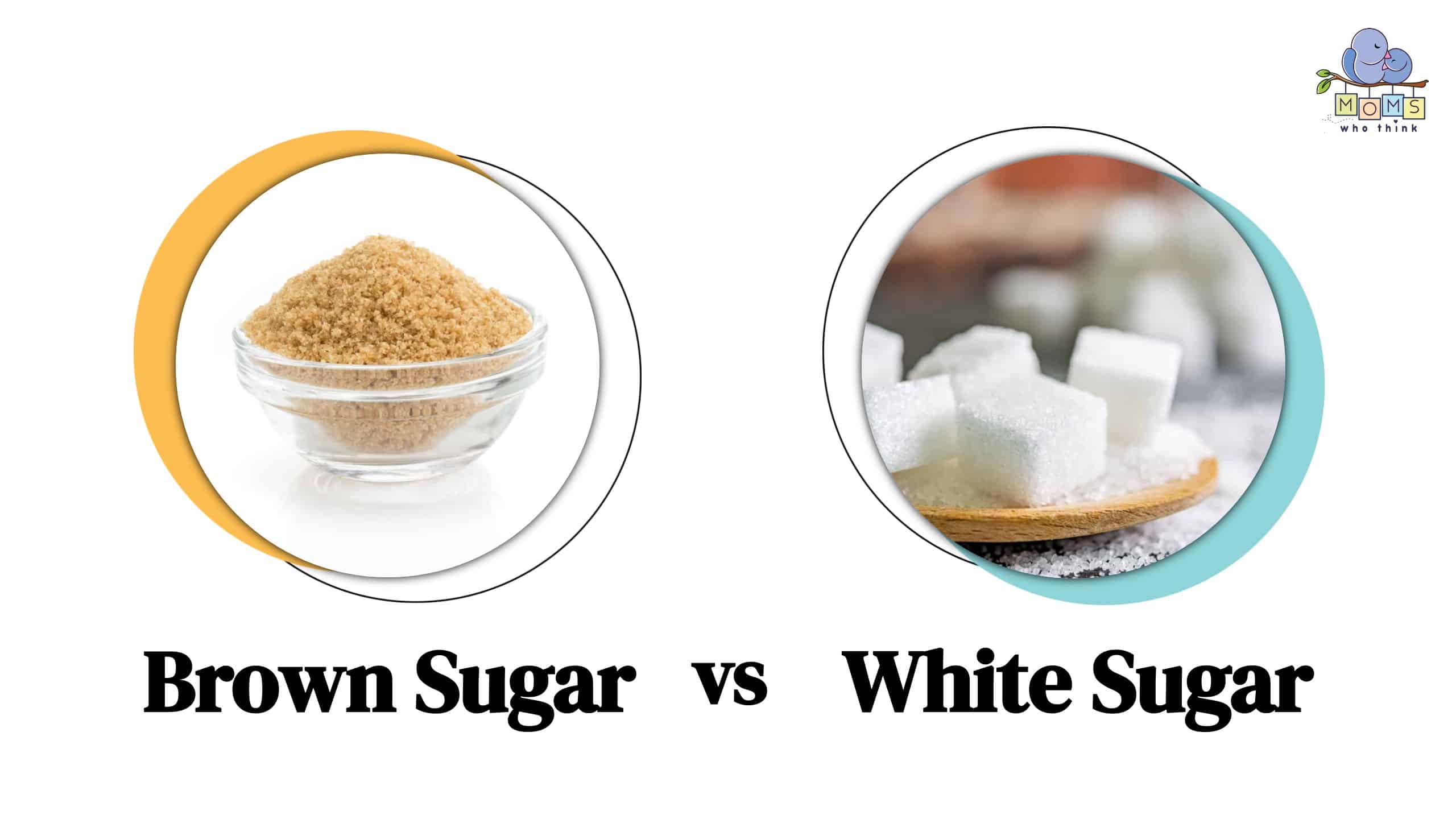
Now, here's the thing about white sugar versus brown sugar: they're not exactly the same. Brown sugar is essentially white sugar mixed with molasses, which gives it that slightly richer flavor and moist, clumpy texture. When you swap white sugar for brown, you lose that deep caramel-like taste and some of the moisture. Cookies made with white sugar will be crispier, while brown sugar contributes to a chewier result. For example, if you're making a classic chocolate chip cookie, white sugar will give you a thinner, crunchier version — still delicious, but definitely different.
Must Read
In everyday life, people make this substitution more often than they realize. A cup of coffee sweetened with white sugar tastes just as sweet as one with brown sugar. Many folks use white sugar in their tea, lemonade, or fruit salads without any issues. In the world of caramel, combining white sugar with a tiny bit of molasses can give you a surprisingly close imitation of brown sugar. Even professional bakers occasionally make this swap when they're in a pinch.
Here are some practical tips to help you make the switch easily. First, if a recipe calls for brown sugar and you only have white, use the same amount — the sweetness level will be nearly identical. Second, if you want to capture that molasses flavor, add about one teaspoon of molasses for every tablespoon of white sugar. Third, if moisture matters (like in muffins or cakes), consider adding a small splash of liquid to compensate. These simple adjustments can bring your dish much closer to the original recipe.
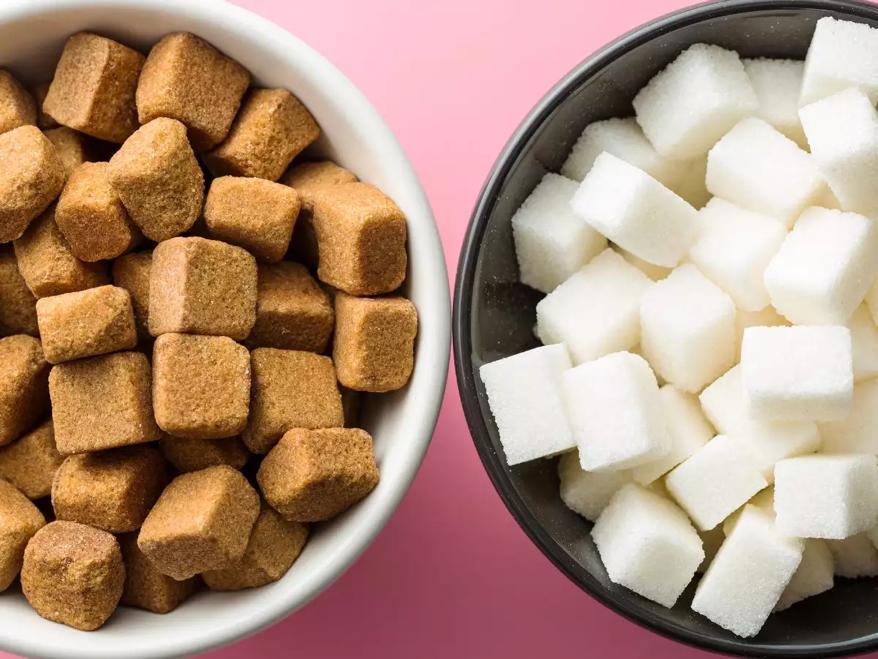 Brown Vs White : Which is Better For Your Health?
Another thing worth noting is that both types of sugar are nutritionally similar. They contain roughly the same number of calories, and neither is significantly healthier than the other. Brown sugar does retain a tiny amount of minerals from the molasses — calcium, potassium, and trace amounts of iron — but the amounts are so negligible that it doesn't make a real dietary difference. So the choice between them is really about flavor and texture, not health.
In the end, using white sugar instead of brown is totally fine for the vast majority of recipes. Whether you're baking cookies, sweetening your morning oatmeal, or preparing a family dinner dessert, knowing this swap gives you the confidence to cook without worrying about missing ingredients. It's a small piece of kitchen knowledge that adds up to big convenience — and a little goes a long way when your pantry is half-empty and your dessert plan is still on track. So next time you're out of brown sugar, don't stress — just reach for the white and keep creating something sweet.

:max_bytes(150000):strip_icc()/brown-sugar-vs-white-sugar-GettyImages-1263977584-0dae51b2103c4a3fadb7be5525e0afd7.jpg&description=Can+I+Use+White+Sugar+Instead+Of+Brown)