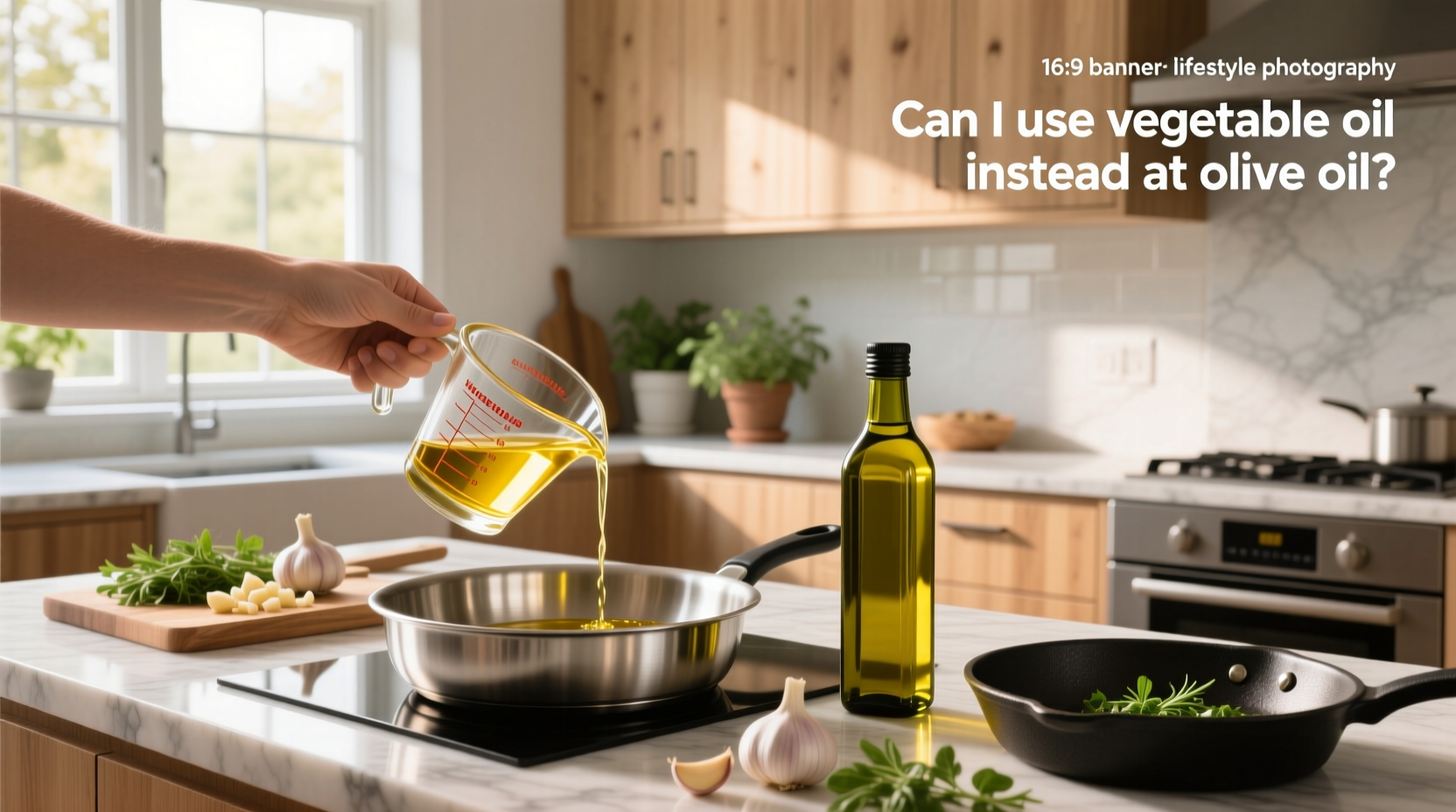
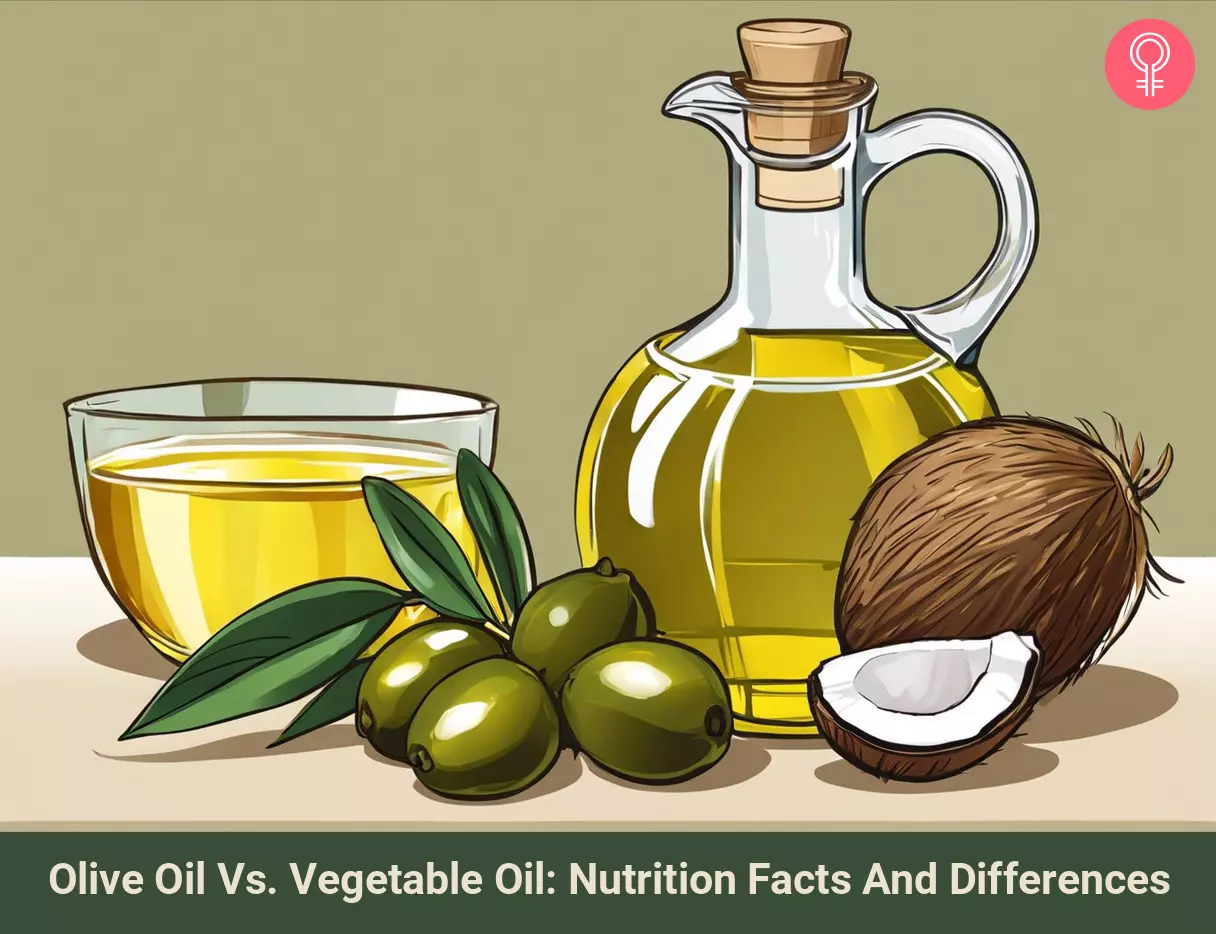
Can I Use Veg Oil Instead Of Olive Oil

Hey there, fellow kitchen explorer! If you’ve ever stared at your pantry and wondered whether you can use veg oil instead of olive oil, you’re not alone. This question pops up...
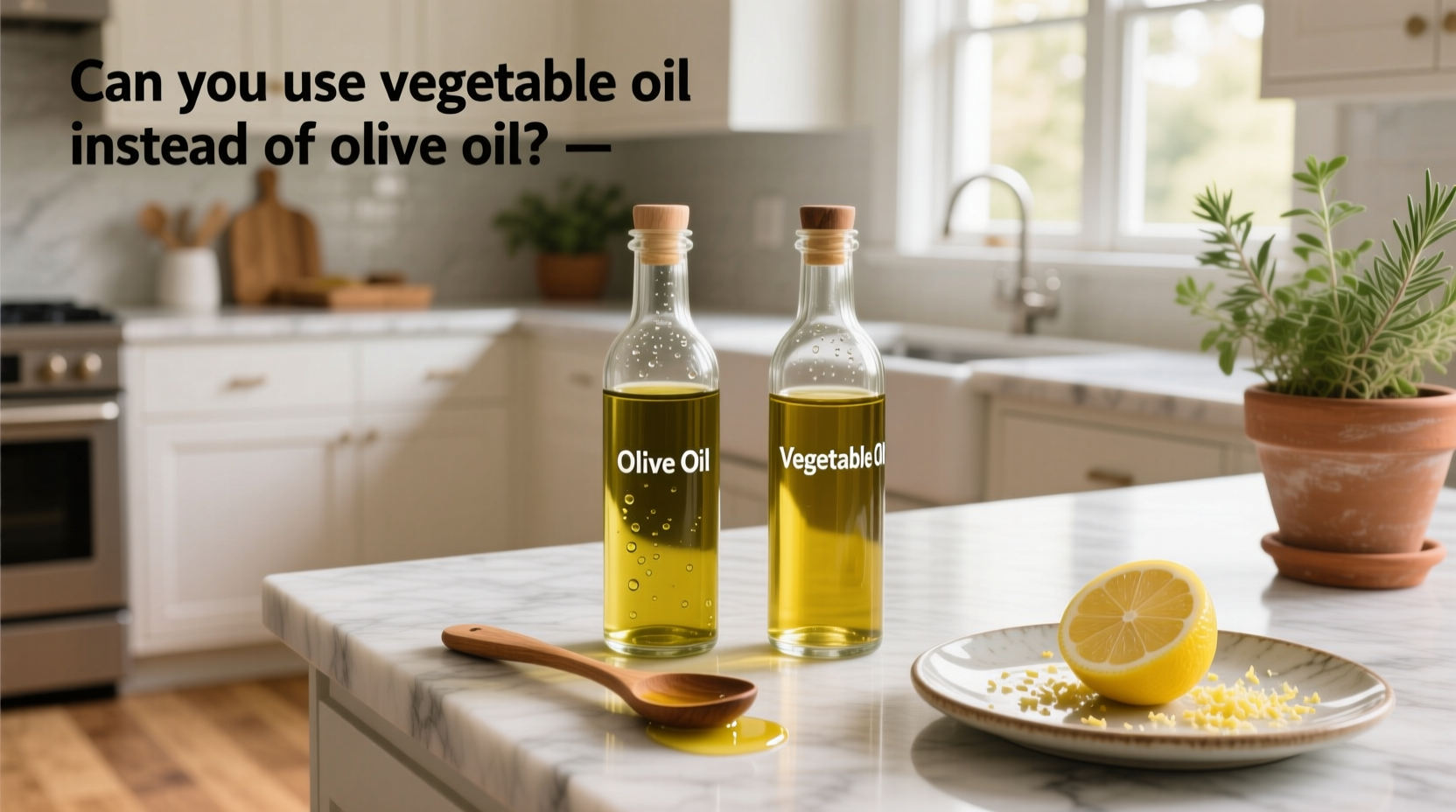
Hey there, fellow kitchen explorer! If you’ve ever stared at your pantry and wondered whether you can use veg oil instead of olive oil, you’re not alone. This question pops up whenever a recipe calls for that prized green bottle and you’re short on it—or you just want to try something new. The answer is a resounding “yes,” and doing so can open up a world of flexible cooking without breaking the bank. In this article we’ll unpack why swapping these oils is both fun and practical, share creative ways to put it into action, and give you clear tips so you can feel confident every time you reach for a different bottle. It’s a small tweak that can lead to big culinary discoveries in your kitchen.
First, let’s look at what vegetable oil brings to the table. It’s usually a blend of plant oils like soybean, canola, sunflower, or corn, and it’s prized for its neutral taste that won’t clash with the other flavors in your dish. Unlike olive oil, which carries a fruity, sometimes peppery note, veg oil stays in the background, letting spices and proteins shine. Its high smoke point (around 400°F / 204°C) means it can handle the sizzling heat of stir‑frying or deep‑frying without turning bitter. Add the fact that it’s often cheaper and widely available, and you’ve got a practical pantry staple that supports budget‑friendly cooking without sacrificing performance.
Now imagine a weeknight stir‑fry—vibrant bell peppers, crisp broccoli, and tender chicken all tossed in a hot wok. Swap the olive oil for veg oil and you’ll notice the vegetable’s clean profile lets the garlic and soy sauce pop without competing for attention. The same logic applies to roasting: a sheet pan of sweet potatoes drizzled with veg oil acquires an even, golden crust, while the absence of a strong olive flavor leaves room for herbs like rosemary to shine. Even deep‑frying (think crunchy onion rings or tempura) benefits from the high smoke point of vegetable oil, delivering a consistently crisp finish that’s hard to achieve with extra‑virgin olive oil, which can turn bitter at those temperatures.
Must Read
Beyond the obvious heat‑friendly dishes, there are plenty of creative ways to let vegetable oil shine where you might have instinctively reached for olive. In a homemade salad dressing, a splash of veg oil keeps the emulsion smooth while a drizzle of lemon juice and a pinch of salt bring brightness—you lose the fruity depth but gain a lighter, neutral base that pairs nicely with white wine vinaigrettes. For baking sweet treats, replace olive oil with veg oil in a quick banana bread or cornbread; the result is a tender crumb with no lingering “olive” taste, and the crust browns evenly thanks to the higher smoke point. Even a simple popcorn topping improves when you toss popped kernels in melted veg oil before adding spices.
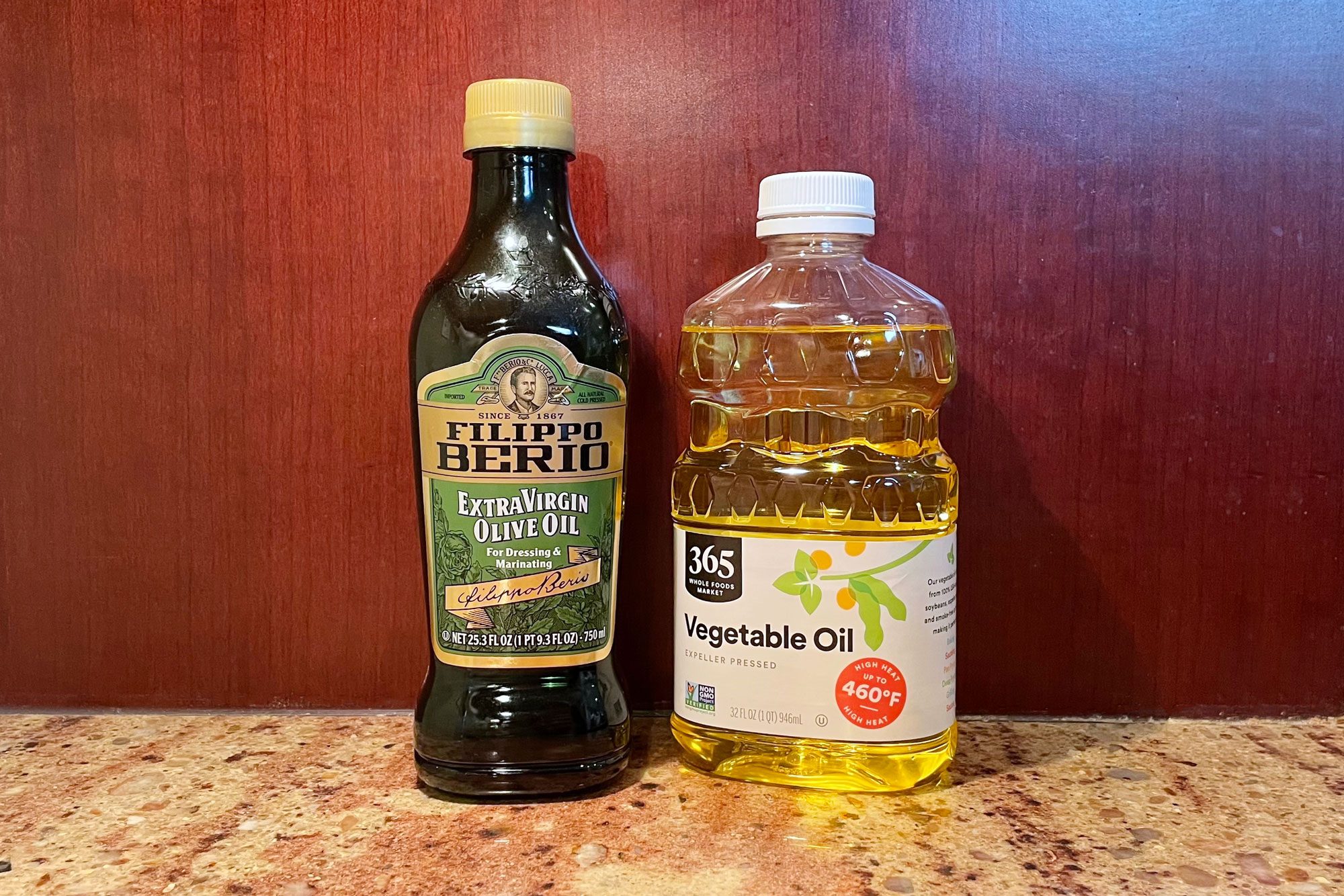 When Can You Use Olive Oil Instead of Vegetable Oil?
Ready to give the swap a try? Keep these practical tips in mind. First, remember the 1:1 ratio—a tablespoon of olive oil can become a tablespoon of vegetable oil with no extra math. For cold dishes like raw salads or delicate dips, stick with olive oil so its flavor and aroma stay intact. Anything that meets the stovetop or oven is perfect for veg oil, especially when you need high temperatures. Store vegetable oil in a cool, dark spot and watch the expiration date; rancid oil ruins even the best substitution. Lastly, consider nutrition: many veg oils are higher in polyunsaturated fats while olive oil offers monounsaturated fats—choose what fits your diet best.
So, can you use veg oil instead of olive oil? Absolutely—and doing so can add a dash of flexibility, save a few dollars, and keep your cooking adventurous. Whether you’re tossing stir‑fry, roasting veggies, baking a loaf of banana bread, or crafting a light vinaigrette, the humble vegetable oil steps in convincingly where olive oil shines on its own. The key is knowing when the neutral profile and high smoke point are the stars of the recipe, and when the distinctive olive flavor is the star. Armed with those simple guidelines, you’ll find that swapping oils feels less like a compromise and more like an invitation to experiment and enjoy every bite. Happy cooking!