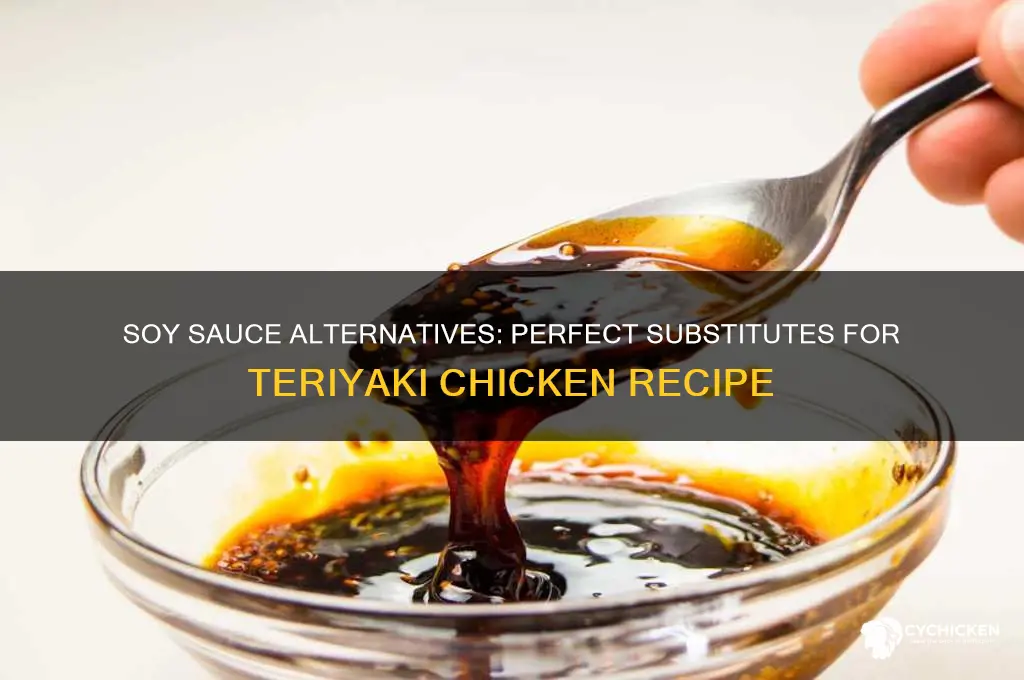
Can I Use Teriyaki Sauce Instead Of Soy Sauce

There’s something truly delightful about the little culinary experiments we conduct in our own kitchens—those moments when you’re halfway through a recipe and realize you’re m...
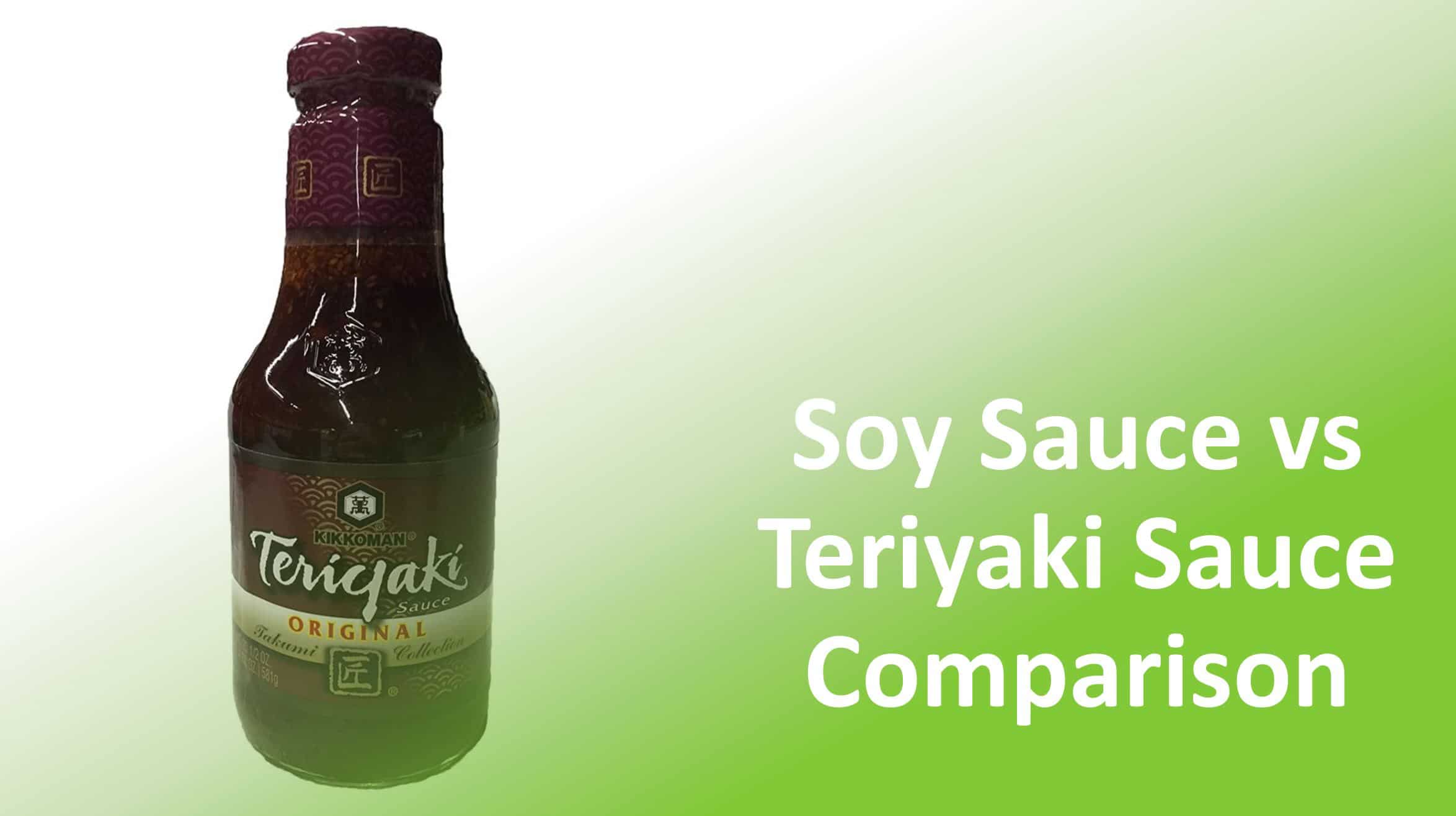
There’s something truly delightful about the little culinary experiments we conduct in our own kitchens—those moments when you’re halfway through a recipe and realize you’re missing a key ingredient. This is where the question of swapping teriyaki sauce for soy sauce comes in, and it’s a surprisingly fun and practical puzzle to solve. For home cooks, busy parents, or anyone who loves Asian-inspired flavors, understanding this substitution can save a trip to the store and open up a world of tastier possibilities. The main purpose here is simple: you want that savory, umami kick soy sauce provides, but teriyaki is what you have on hand. The benefit? You might just discover a new, richer layer of flavor in your dishes.
Let’s get the basics straight. Soy sauce is the foundation of teriyaki sauce. Teriyaki is essentially a sweetened, thickened version of soy sauce, mixed with sugar (or mirin, a sweet rice wine) and often a bit of ginger or garlic. So when you swap them, you’re not just replacing a salty condiment—you’re introducing extra sugar and a syrupy texture. Think of it like swapping black coffee for a caramel latte: you get the same base, but the whole vibe changes. For example, if you’re making a simple stir-fry of broccoli and tofu, using teriyaki instead of soy sauce will give it a glossy, sweeter finish that clings beautifully to the vegetables, whereas soy sauce would keep it lighter and saltier.
Many home cooks have their own go-to variations of this swap. Some people mix teriyaki with a splash of water or rice vinegar to dilute the sweetness and bring the saltiness back into balance. Others, like those following a lower-sodium diet, actually prefer teriyaki because it can be less salty per tablespoon (since sugar takes up the volume). A common scenario: you’re marinating chicken for dinner, and the recipe calls for soy sauce. If you use teriyaki, you’ll get a beautifully caramelized, almost candied crust on the grill—perfect for a crowd-pleasing barbecue, but maybe too sweet for a classic, savory stir-fry.
Must Read
Here’s an actionable tip to get started: when substituting, aim for a one-to-one ratio at first, but always taste and adjust. If a recipe asks for 2 tablespoons of soy sauce, start with 1.5 tablespoons of teriyaki. That half-tablespoon cushion accounts for the extra sugar and thickness. Then, if needed, add a tiny pinch of salt or a few drops of fish sauce to boost the savory side. This works brilliantly for noodle dishes, fried rice, or dipping sauces—just don’t use it in recipes where purity of flavor matters, like a classic Japanese tsuyu dipping broth, where the sweetness would be out of place.
Another simple tip: consider the cooking method. Teriyaki’s sugar content makes it more prone to burning at high heat. If you’re using it in a hot pan or on a grill, add it toward the end of cooking to prevent a bitter, burnt taste. For example, if you’re making a quick chicken and vegetable stir-fry, cook everything first with a little oil and aromatics, then drizzle the teriyaki in the last minute. That way, it glazes the ingredients without scorching. For a slower braise or stew, teriyaki is actually a fantastic addition—its sweetness and thickness help create a rich, sticky sauce that coats the meat.
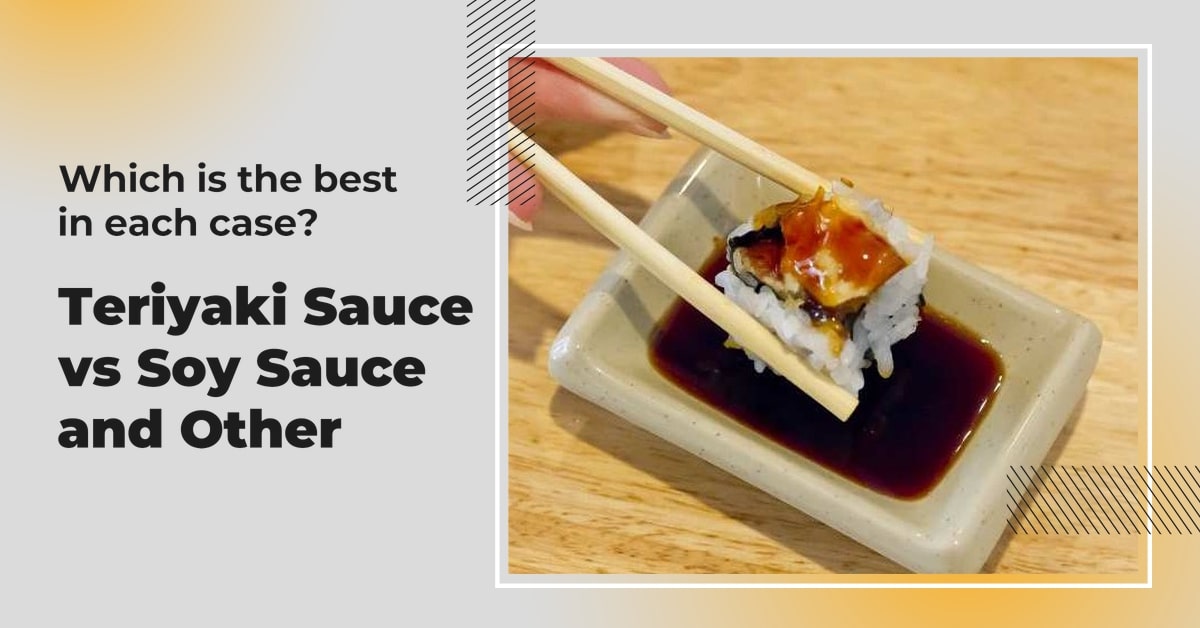 Teriyaki Sauce vs Soy Sauce and Other - Which is the best in each case?
To make the most of this swap, always keep your end goal in mind. Are you aiming for a light, salty finish (like in a dipping sauce for sushi)? Stick with soy sauce. But if you want a bold, glossy, and slightly sweet result (think of a teriyaki-glazed salmon or a sticky pork belly), then teriyaki is not just a substitute—it’s an upgrade. For example, I often use it in place of soy sauce in my stir-fried udon noodles; the sweetness balances the heat from chili flakes, and the thickness means the sauce clings to every noodle. It’s become my secret shortcut to a “restaurant-style” finish.
Ultimately, the answer is a resounding yes—you can absolutely use teriyaki sauce instead of soy sauce in many dishes, as long as you’re prepared for a sweeter, thicker result. This swap is a playful invitation to adapt recipes to what you have on hand, to experiment, and to discover new flavor profiles. So next time you’re out of soy sauce, don’t panic. Reach for that bottle of teriyaki, adjust the salt and heat, and enjoy the surprise of a dish that’s a little more indulgent and a lot more delicious than you planned.